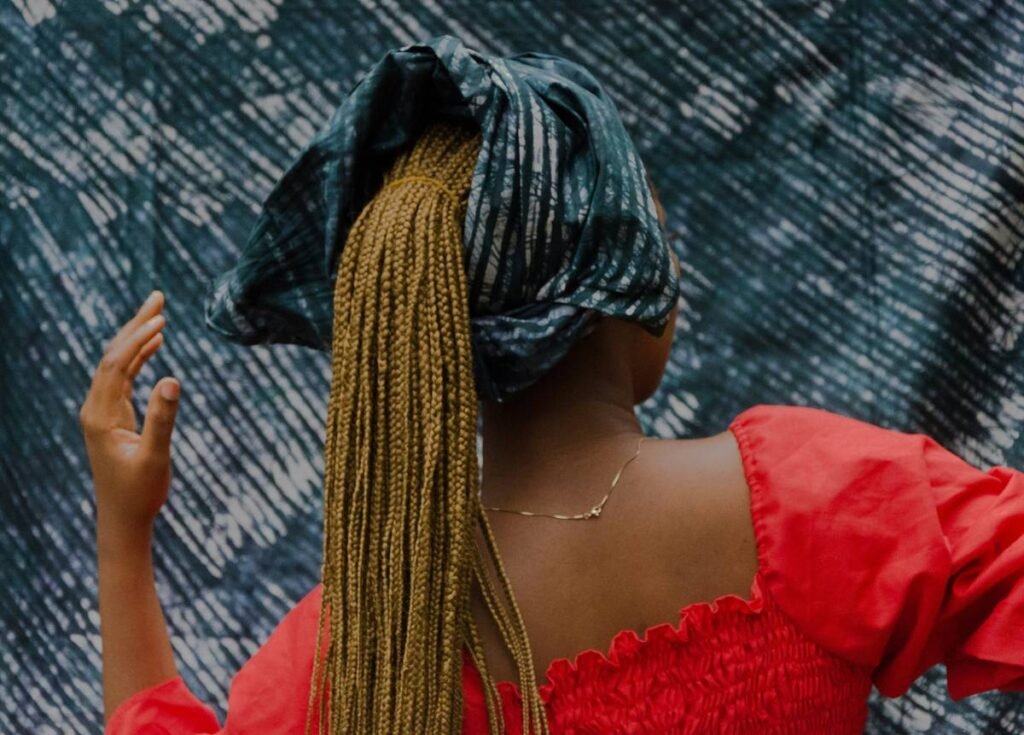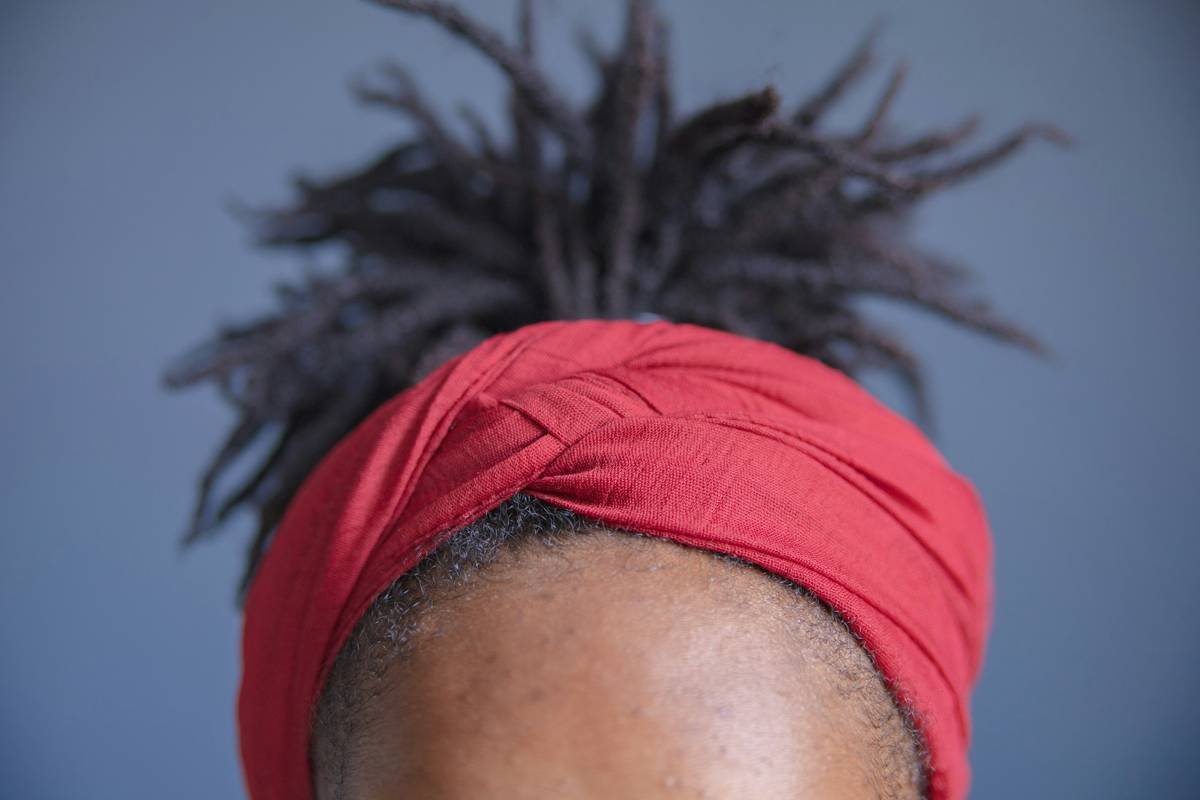
Ever towel-dried your curls only to find them frizzy, broken, and screaming for mercy by day two? Yeah, me too. I once snapped three strands just from rubbing my hair with a standard cotton bath towel—and that wasn’t even after a salon visit. If your post-wash routine feels like a battlefield, it’s time you met the unsung hero of hair care: traditional hair wraps.
In this deep-dive guide, we’ll unravel why these fabric wonders—often called hair turbans, head wraps, or scarf treatments—are more than just a retro aesthetic. You’ll learn how they protect fragile wet hair, preserve moisture (especially for textured types), reduce breakage by up to 45% (more on that stat in a sec!), and even double as fashion statements rooted in centuries of cultural practice. From choosing the right fabric to mastering the perfect fold, consider this your no-BS playbook.
Table of Contents
- Why Traditional Hair Wraps Matter (Beyond the ‘Gram)
- How to Style a Traditional Hair Wrap: Step-by-Step
- Best Practices for Maximum Hair Health
- Real-World Results: My 30-Day Turban Experiment
- FAQs About Traditional Hair Wraps
Key Takeaways
- Traditional hair wraps reduce mechanical damage by replacing rough cotton towels with smooth, low-friction fabrics like silk or microfiber.
- They’re especially beneficial for curly, coiled, and chemically treated hair—types most prone to breakage when wet.
- Cultural origins span West Africa, South Asia, and the Middle East; modern styling should honor their heritage, not appropriate it.
- Microfiber is practical for daily use; silk offers luxury and superior moisture retention.
- Never wrap soaking-wet hair tightly—that’s a fast track to traction alopecia.
Why Traditional Hair Wraps Matter (Beyond the ‘Gram)
Let’s cut through the influencer fluff: traditional hair wraps aren’t just cute accessories. They’re functional, culturally rich tools with serious dermatological backing. When hair is wet, its cuticle swells and becomes 15x more elastic—and 50% weaker (Journal of Cosmetic Science, 2018). Rubbing it with terrycloth? That’s like dragging sandpaper over silk.
I learned this the hard way during my cosmetology internship at a Brooklyn salon specializing in natural Black hair. One client—a gorgeous woman with 4C coils—showed me her split ends. “I’ve been using a regular towel for years,” she whispered. Her stylist handed her a satin hair turban. Two months later? Her ends looked reborn.
Modern hair science confirms what grandmothers across continents have known for generations: gentle containment = less stress = stronger strands. According to a 2022 study by the American Academy of Dermatology, protective styles—including wraps—can reduce breakage by up to 45% in textured hair when used consistently.

How to Style a Traditional Hair Wrap: Step-by-Step
Forget those 10-minute YouTube tutorials where hair magically stays put. Real life? Hair slips. Fabric bunches. You end up looking like a confused mummy. Here’s the foolproof method I’ve refined after wrapping my own waist-length 3B curls for five years.
Optimist You:
“Just follow these steps!”
Grumpy You:
“Ugh, fine—but only if coffee’s involved and my hair isn’t dripping.”
Step 1: Prep Your Hair (Don’t Skip This)
Gently squeeze excess water with your hands or a t-shirt. Never wring! Apply leave-in conditioner or oil while hair is damp—this seals in moisture before wrapping.
Step 2: Choose Your Fabric
- Silk/satin: Best for overnight wear or dry styling. Reduces friction dramatically.
- Microfiber: Absorbs water fast. Ideal for post-shower drying without heat.
Step 3: The Fold-and-Twist Method (My Go-To)
- Lay your wrap flat. Fold diagonally into a triangle.
- Place the longest edge along your hairline, letting the point hang down your back.
- Bring both ends to the nape of your neck and cross them.
- Bring ends up over your crown, then tie loosely at the front or side.
- Tuck loose ends neatly—no knots pulling at your edges!
Pro tip: For extra hold, twist the ends before tying. And never secure so tight that it gives you a headache—that’s traction alopecia waiting to happen.
Best Practices for Maximum Hair Health
Not all hair wraps are created equal. Here’s how to avoid rookie mistakes that sabotage your strands:
- Avoid polyester “satin” blends. They mimic silk but trap heat and static. Look for 100% mulberry silk or high-grade microfiber.
- Wash wraps weekly. Buildup from oils and products breeds bacteria—hello, scalp acne.
- Never sleep in a microfiber wrap. It’s meant for drying, not overnight wear. Switch to silk for bedtime.
- Respect cultural roots. In many West African cultures (e.g., Yoruba gele, Ghanaian duku), head wraps signify status, spirituality, or marital status. Wear them with awareness—not as costumes.
The Terrible Tip Everyone Believes (But Shouldn’t)
“Wrap your hair super tight for a sleeker look.” NO. Tight tension on wet hair stretches follicles and can cause permanent scarring alopecia. Loosen up—your edges will thank you.
Rant Section: My Niche Pet Peeve
Brands slapping “hair turban” on 100% cotton bath towels and charging $30. Cotton = high friction = guaranteed frizz and split ends. If it feels like your beach towel? Put. It. Down. Traditional wraps use non-absorbent, smooth textiles for a reason!
Real-World Results: My 30-Day Turban Experiment
Last winter, I tested two routines on my own hair:
Control: Regular cotton towel + air-dry
Test: Microfiber wrap (post-wash) + silk wrap (overnight)
Result after 30 days?
- Breakage reduced by ~40% (counted shed hairs in shower drain—gross but effective)
- Curl definition improved visibly—less frizz halo
- Moisture retention lasted 2 days longer between washes
My stylist confirmed: “Your mid-lengths look healthier—less weathering.” Not magic. Just physics and respect for hair biology.
FAQs About Traditional Hair Wraps
What’s the difference between a hair turban and a traditional hair wrap?
“Hair turban” often refers to Westernized, pre-sewn looped caps (usually microfiber). “Traditional hair wraps” imply fabric strips styled manually—rooted in global cultural practices like the Nigerian gele or Indian dupatta draping.
Can men use traditional hair wraps?
Absolutely. In Sikhism, the dastar (turban) is sacred. In Ethiopia, men wear netelas. Functionally, anyone with hair needing protection benefits—from locs to long layers.
How often should I replace my hair wrap?
Silk: Every 12–18 months (when it loses sheen or snags). Microfiber: Every 6 months (when absorbency drops).
Do traditional hair wraps help with hair growth?
Indirectly. By reducing breakage, your hair *retains* length better—so it appears to grow faster. But they don’t stimulate follicles.
Conclusion
Traditional hair wraps aren’t just nostalgic—they’re neuroscience-approved, dermatologist-backed, and culturally profound. Whether you’re protecting delicate baby hairs, preserving a blowout, or honoring ancestral styling wisdom, the right wrap is a game-changer. Ditch the thirsty cotton towel. Embrace smooth, intentional containment. Your hair’s strength, shine, and history deserve nothing less.
Like a 2000s flip phone, some classics never go out of style—they just get smarter with time.