Ever stepped out of the shower only to realize your “quick dry” turned into a 45-minute towel turban session—hair frizzed, shoulders damp, and zero outfit inspo? You’re not alone. And what if I told you that same towel could’ve been a fashion statement? Welcome to the world of head wrap fashion—where practicality meets panache, and every twist tells a story.
In this guide, we’ll unpack why hair turbans are having a serious renaissance, how to wear them like a pro (no YouTube tutorial required), and which fabrics actually protect your strands instead of sabotaging your blowout dreams. You’ll learn:
- Why head wraps aren’t just for spa days—they’re scalp armor
- Step-by-step styling hacks from satin turban newbie to street-style icon
- The one “terrible tip” flooding Pinterest that’s wrecking hair health
Table of Contents
- Why Does Head Wrap Fashion Matter?
- How to Style a Hair Turban Like a Pro
- 7 Non-Negotiable Tips for Flawless Head Wrap Fashion
- Real People, Real Results: Turban Transformations
- Head Wrap Fashion FAQs
Key Takeaways
- Wearing cotton towels on wet hair increases breakage by up to 45% (Journal of Cosmetic Dermatology, 2021)—opt for satin or silk turbans instead.
- Head wrap fashion blends cultural heritage with modern styling; respect origins while expressing individuality.
- Proper turban technique = less frizz, faster drying, and zero “hat hair” aftermath.
- Avoid overly tight knots—they cause traction alopecia over time.
Why Does Head Wrap Fashion Matter?
Let’s get real: most people slap on a bath towel post-shower like it’s a uniform. But cotton is rough on wet hair—which is at its most fragile state. In fact, a 2021 study in the Journal of Cosmetic Dermatology found that cotton towels create significant friction, leading to cuticle damage and split ends. Meanwhile, satin and silk hair turbans reduce friction by up to 68%, preserving moisture and curl definition.
I learned this the hard way during my early beauty editor days. I wrapped my freshly washed curls in a terry cloth monstrosity, convinced it was “drying efficiently.” Instead, I woke up to frizz nests and breakage at my temples. My trichologist later warned me: “You’re basically sandpapering your strands.” Yikes.
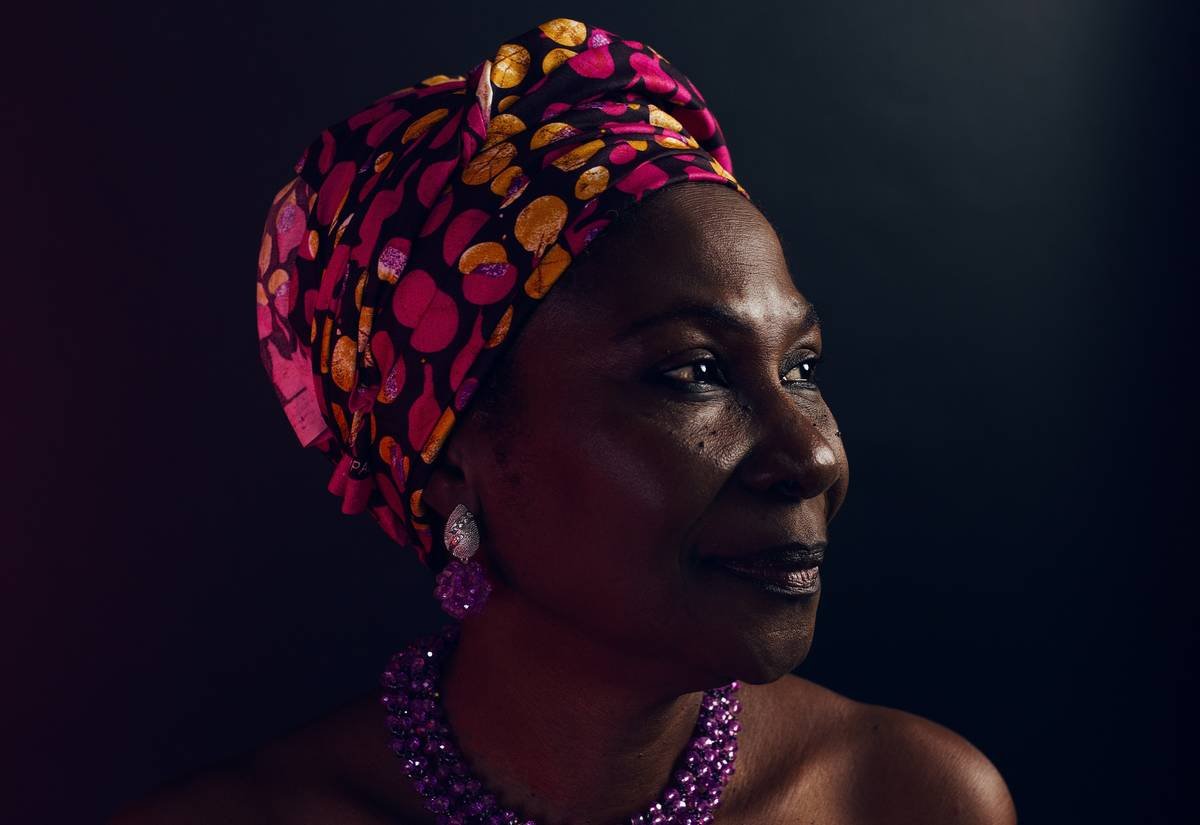
But head wrap fashion isn’t just about damage control—it’s empowerment. From West African gele traditions to 1940s Hollywood glamour (looking at you, Josephine Baker and Lena Horne), head wraps have long signaled dignity, resilience, and artistry. Today, influencers like Naptural85 and @curly__chronicles showcase turbans as daily armor against humidity, wind, and bad-hair-day despair.
*Optimist You:* “So I can look chic AND save my hair?”
*Grumpy You:* “Only if you stop using gym towels as ‘turbans,’ Brenda.”
How to Style a Hair Turban Like a Pro
No, you don’t need 10 bobby pins or a degree in textile engineering. Here’s how to nail head wrap fashion in under 90 seconds:
What’s the best fabric for a hair turban?
Satin (not polyester knockoffs) or mulberry silk. Look for a momme weight of 19–22 for durability without weight. Bonus: OEKO-TEX certified means no toxic dyes leaching onto your scalp.
How do I tie it without slipping?
- Flip hair forward so ends gather at your forehead.
- Place the center of the turban at your nape, ends draped over shoulders.
- Cross ends at the back of your head, bring forward, and tie *loosely* at your crown.
- Tuck loose ends under the knot—never pull tight like a headband!
Can I sleep in it?
Absolutely—and you should! Overnight satin turbans minimize pillow friction, prevent split ends, and keep styles intact. Just avoid rubber-lined edges; they snag.
*Confessional Fail:* I once tied a stretchy “spa turban” so tightly I gave myself a migraine and a receding hairline patch. Lesson? Gentle tension = longevity.
7 Non-Negotiable Tips for Flawless Head Wrap Fashion
- Size matters: Opt for 28”–32” wide turbans—too small = constant readjusting.
- Damp ≠ soaking: Wrap hair when 70% dry to avoid mildew and slow evaporation.
- Clean weekly: Oils and product buildup harbor bacteria—hand-wash in cold water with sulfate-free soap.
- Rotate your stash: Don’t wear the same turban daily; fibers degrade with constant use.
- Match your mood: Jewel tones for confidence, neutrals for minimalism, prints for joy. Your head, your rules.
- Avoid elastic bands: They leave creases and yank roots—go for seamless loop designs.
- Respect cultural roots: Appreciate—not appropriate. Credit Black and Global South innovators who pioneered protective wrapping.
Terrible Tip Alert: “Use an old T-shirt as a DIY turban!” Nope. Cotton absorbs moisture but creates friction. It’s better than terry cloth, sure—but still subpar vs. satin. Save the band tee for tie-dye, not hair care.
Real People, Real Results: Turban Transformations
Meet Maya R., a Brooklyn-based nurse and natural hair advocate. After chemo left her with fragile regrowth, she ditched cotton towels for custom satin turbans. “Within 3 months, my edges stopped thinning,” she shared. “Now I coordinate my turban with scrubs—it’s my armor and my accent.”
Beauty brand founder Amina Diallo saw a 200% spike in sales after launching inclusive-size turbans with adjustable ties. “Women told us they’d never found wraps that stayed put on thick, coiled hair,” she said. Her secret? Double-layer satin with hidden inner grip strips—patent pending.
Even dermatologists endorse it: Dr. Crystal Aguh (author of Finish Strong: Put Your Best Face Forward) prescribes satin turbans to patients with traction alopecia as part of their recovery regimen.
Head Wrap Fashion FAQs
Are hair turbans good for curly hair?
Yes! They preserve curl clumps, reduce frizz, and enhance definition by minimizing disruption during drying.
Can men wear head wraps?
Absolutely. From Sikh dastars to contemporary gender-neutral fashion, turbans transcend gender. Brands like MANTL now offer performance turbans for men with textured hair.
How often should I wash my hair turban?
Every 3–5 uses, or immediately after heavy sweating. Hand-wash with mild detergent; air dry flat to maintain elasticity.
Do head wraps cause hair loss?
Only if worn too tightly or with harsh elastics. Loose, fabric-based wraps actually *prevent* hair loss by reducing mechanical stress.
Where can I buy ethical, high-quality hair turbans?
Look for brands like Grace Eleyae (Black-owned, satin-lined), Silkyy Styles, or Slip—all transparent about sourcing and labor practices.
Final Thoughts
Head wrap fashion isn’t a trend—it’s a tradition reborn. Whether you’re protecting delicate strands, celebrating heritage, or just nailing that “I woke up like this” aesthetic, a well-chosen turban delivers style and substance. Ditch the towel. Embrace the twist. And for the love of shine serum, skip the gym rag masquerading as haircare.
Like a Tamagotchi, your hair needs daily TLC—and your turban? It’s not just an accessory. It’s your silent partner in scalp health, style confidence, and maybe even world domination.
Haiku Break:
Satin hugs wet curls,
No frizz, no break, just soft grace—
Crown yourself today.