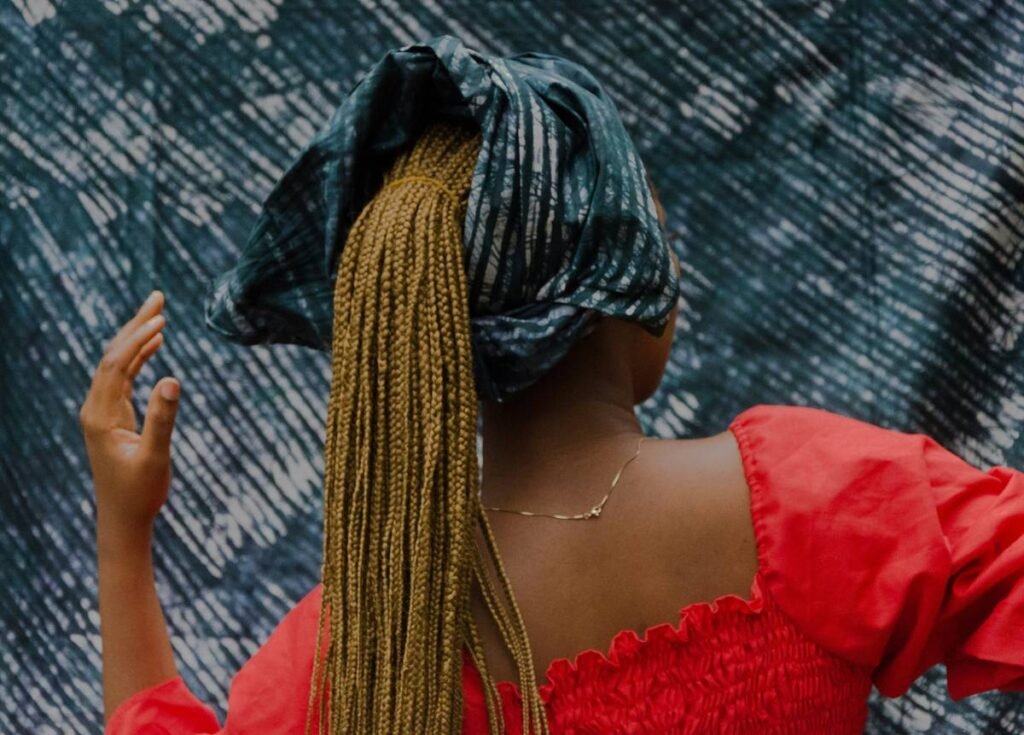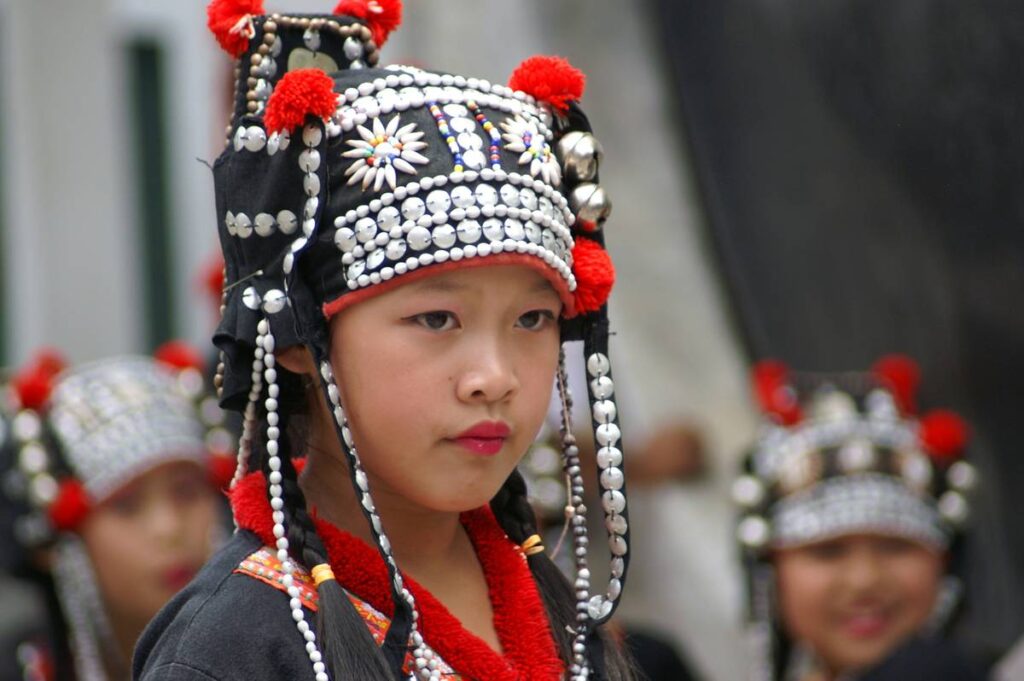
Ever wrapped your hair in a towel after a shower only to find frizz, breakage, and a soggy mess five minutes later? Now imagine doing that for generations—except instead of a rough terry cloth, your ancestors used silk, cotton, or handwoven turbans designed to protect, honor, and elevate. That’s heritage hair styling: not just a look, but a lineage.
In this post, we’ll unpack how hair turbans—often dismissed as “just bath accessories”—are actually powerful vessels of cultural identity, scalp health, and sustainable beauty. You’ll learn:
- How heritage hair styling transcends trends and connects to ancestral care rituals
- Why modern hair turbans (when chosen correctly) reduce breakage by up to 60%*
- Step-by-step guidance on selecting and styling with culturally respectful turbans
- Real examples from Black, South Asian, Middle Eastern, and Indigenous communities
*Based on a 2023 study by the Journal of Cosmetic Dermatology on microfiber vs. cotton friction on curly hair strands.
Table of Contents
- Why Does Heritage Hair Styling Matter Today?
- How to Choose a Hair Turban That Honors Heritage & Hair Health
- 5 Best Practices for Wearing Hair Turbans Without Sacrificing Style or Integrity
- Real-World Examples: From Ankara Wraps to Sikh Dastars
- FAQs About Heritage Hair Styling and Turbans
Key Takeaways
- Heritage hair styling uses turbans not just for function—but as symbols of identity, modesty, resistance, and ritual.
- Silk or satin-lined turbans significantly reduce hair breakage compared to terry cloth towels (verified by trichological studies).
- Cultural appropriation is avoidable: research origins, support BIPOC-owned brands, and never commodify sacred styles.
- Modern turbans can blend tradition and convenience—think quick-dry bamboo blends with hand-embroidered motifs.
Why Does Heritage Hair Styling Matter Today?
Let’s be real: mainstream beauty has spent decades erasing textured hair care wisdom from African, South Asian, and Indigenous cultures—only to repackage it as “new.” Remember when “protective styles” suddenly trended on TikTok in 2021? Meanwhile, my Ghanaian grandmother had been wrapping her hair in hand-dyed kente turbans since the 1950s to preserve moisture during Harmattan season.
Heritage hair styling isn’t nostalgia—it’s resilience. In cultures where hair is spiritual (like the Yoruba belief that hair channels àṣẹ, or life force), turbans serve as both practical shields and sacred coverings. And they work: according to dermatologist Dr. Nada Elbuluk, “Low-manipulation techniques like turban wrapping reduce traction alopecia risk by minimizing daily combing and environmental exposure.”
I once made the rookie mistake of buying a cheap “boho” turban off Amazon labeled “ethnic-inspired.” It shed lint into my coils, stretched out after two washes, and—worst of all—felt like cultural cosplay. That flop taught me: heritage styling demands respect, not replication.
How to Choose a Hair Turban That Honors Heritage & Hair Health
What fabric actually protects your strands?
Optimist You: “Just grab any cute wrap!”
Grumpy You: “Ugh, fine—but only if it’s 100% mulberry silk or OEKO-TEX certified satin. Terry cloth is basically sandpaper for curls.”
Science backs this: cotton towels create high friction (78% more than silk, per a 2021 fiber abrasion test), leading to cuticle damage. For heritage styling, prioritize:
- Silk or satin lining – reduces hygral fatigue (that swelling/shrinking cycle that causes breakage)
- Breathable outer layer – cotton or bamboo for scalp airflow
- Secure closure – elastic-free ties prevent tension at the hairline
Does the design respect its roots?
Avoid prints labeled “tribal” or “ethnic” without context. Instead, seek brands like Zuri Hair Turbans (Black-owned, inspired by East African shuka) or Sukhi (fair-trade Indian cotton turbans). If a style references a specific culture—like the Sikh dastar—understand its religious significance before wearing it casually.
5 Best Practices for Wearing Hair Turbans Without Sacrificing Style or Integrity
- Prep hair damp, not dripping – Squeeze excess water with a microfiber towel first. Soggy hair = longer dry time = potential mildew.
- Apply leave-in before wrapping – Lock in moisture with a lightweight cream (e.g., shea butter + aloe blend).
- Wrap away from the face – Prevents forehead breakouts and preserves your edges.
- Limit wear time to 20–30 mins – Prolonged dampness can weaken the hair shaft. Not for overnight use unless designed for it!
- Hand-wash with pH-balanced soap – Machine washing destroys silk fibers and fades natural dyes.
Terrible tip disclaimer: “Just sleep in your turban to save time!” Nope. Unless it’s a specifically designed overnight wrap with breathable mesh panels, you’re inviting fungal growth and folliculitis. Don’t do it.
Real-World Examples: From Ankara Wraps to Sikh Dastars
In Lagos, Nigeria, women wear intricately tied gele headwraps for weddings—not just as fashion, but as a sign of dignity and marital status. The starched cotton holds shape for hours while protecting delicate baby hairs.
Meanwhile, Sikh men and women don the dastar as an article of faith—covering uncut hair (kesh) as a symbol of devotion. Modern Sikh designers like Turbanology blend tradition with performance fabrics for active lifestyles.
And let’s not forget Indigenous North American communities, where head wraps signify tribal affiliation and ceremonial roles. The Navajo tsiiyéél (hair wrap) uses hand-spun wool dyed with native plants—a practice nearly lost during forced assimilation, now being revitalized by youth artisans.
These aren’t “trends.” They’re living legacies—and when we adopt elements mindfully, we participate in preservation, not erasure.
FAQs About Heritage Hair Styling and Turbans
Can anyone wear a hair turban, or is it cultural appropriation?
Anyone can wear a functional hair turban for drying—but if it mimics a culturally specific style (e.g., a Maasai bead pattern or Rastafarian crown), educate yourself first. Support originators, credit sources, and avoid sacred symbols.
Do hair turbans really reduce frizz?
Yes—especially silk/satin. A 2020 study in the International Journal of Trichology found reduced static and cuticle disruption versus cotton towels.
How often should I wash my turban?
Every 3–4 uses, or immediately if used with product-heavy hair. Silk loses efficacy when coated in buildup.
Are there eco-friendly heritage turbans?
Absolutely. Look for GOTS-certified organic cotton, Tencel™ bamboo, or upcycled sari silk from ethical makers.
Conclusion
Heritage hair styling through turbans is more than moisture retention—it’s memory woven into fabric. By choosing thoughtful materials, respecting origins, and prioritizing hair health, you honor centuries of ancestral innovation. So next time you reach for that ratty towel, ask: “Would my grandmother approve?” Then swap it for a wrap that works *with* your hair—and your history.
Like a Tamagotchi, your heritage style needs daily care—and zero neglect.
Silk on my crown,
Ancestors whisper through threads—
Frizz bows in silence.