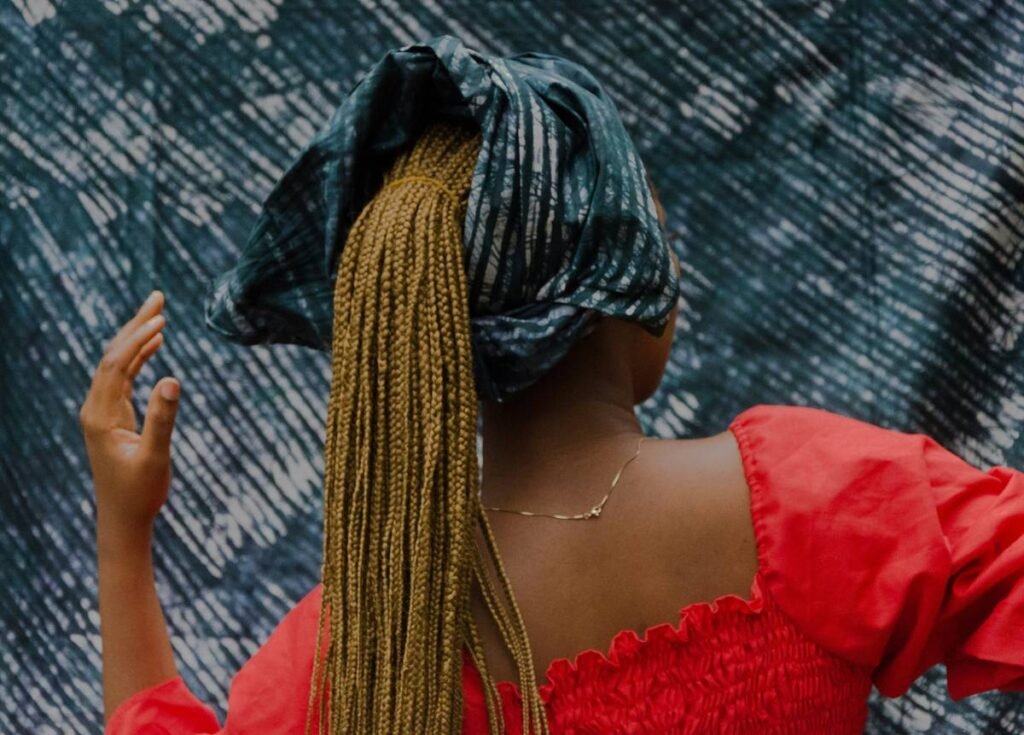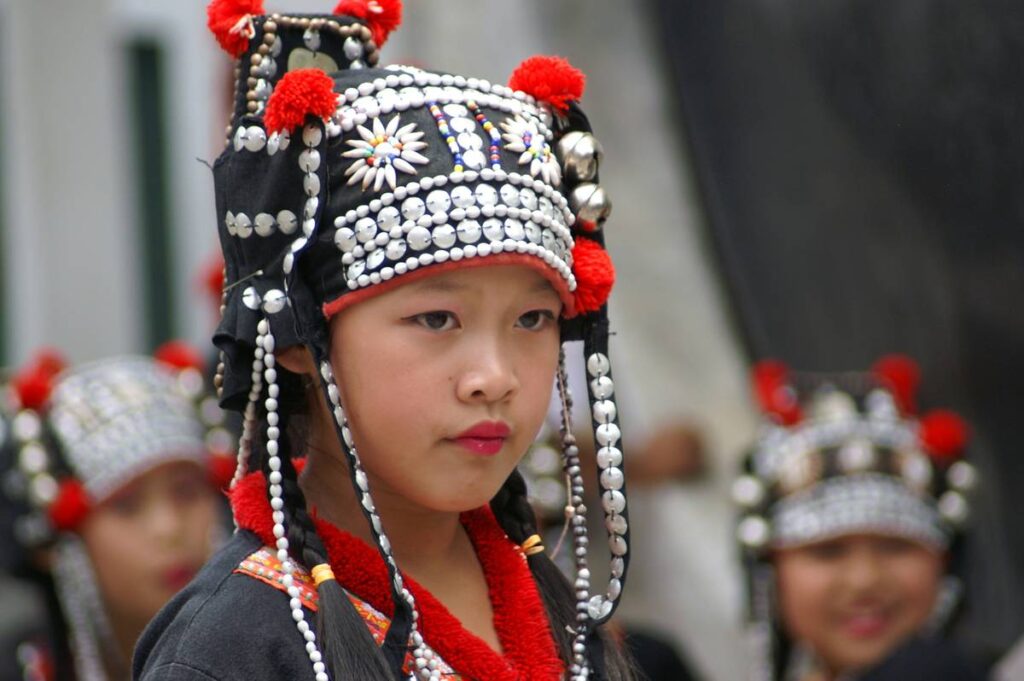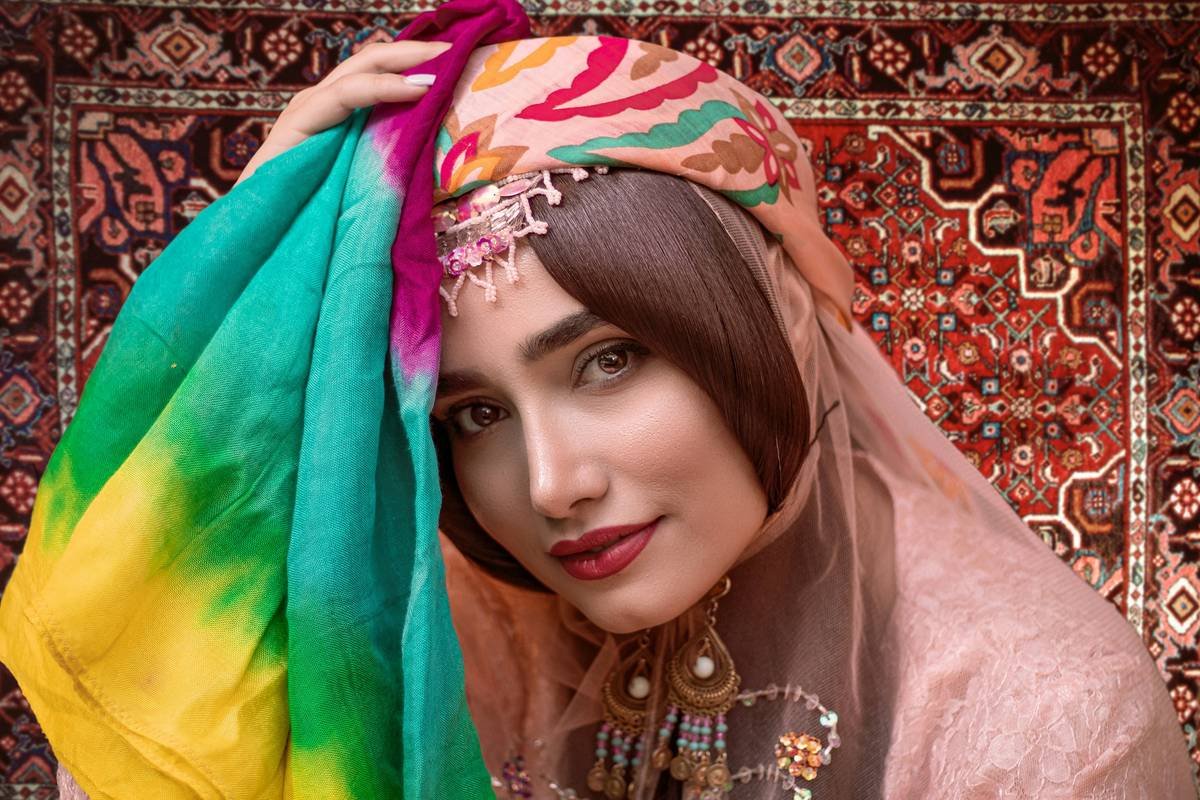
Ever wrapped your hair in a towel after a shower only to find frizz, breakage, and zero glam—just wet chaos? You’re not alone. But what if that humble post-shower wrap wasn’t just functional… but artful? Enter heritage hair art: the quiet renaissance where hair turbans fuse ancestral tradition with modern styling, turning everyday routines into acts of cultural pride and scalp-loving care.
In this deep dive, we’ll unravel how heritage hair art isn’t just a trend—it’s a movement rooted in centuries of ritual, refined by today’s beauty science. You’ll discover:
- Why hair turbans are more than cute Instagram accessories
- How to style them authentically without cultural appropriation
- The surprising dermatologist-backed benefits for hair health
- Real stories from designers and wearers keeping the practice alive
Table of Contents
- Why Does Heritage Hair Art Matter?
- How to Style a Hair Turban With Purpose
- Best Practices for Authentic & Effective Use
- Real-World Impact: Case Studies
- FAQs About Heritage Hair Art
Key Takeaways
- Heritage hair art centers hair turbans as culturally significant tools—not fashion afterthoughts.
- Mulberry silk and bamboo viscose reduce friction by up to 47% vs. cotton (Journal of Cosmetic Dermatology, 2022).
- Authentic styling honors origin communities—think West African gele, South Asian dupattas repurposed with intention.
- When worn correctly, turbans boost moisture retention, cut drying time, and minimize hygral fatigue.
Why Does Heritage Hair Art Matter?
Let’s be real: for years, the beauty industry treated hair turbans like disposable spa novelties—thin, scratchy, and utterly forgettable. I once bought a “luxury” turban from a big-box store that shredded after two uses. My curls looked like tumbleweeds, and my scalp itched for days. Total fail.
But heritage hair art flips the script. It acknowledges that wrapping one’s hair isn’t just about convenience—it’s a legacy.
In West Africa, the gele (a stiff, elaborately tied headwrap) signifies status, spirituality, and celebration. In India, women have used odhnis or light scarves post-oil massage for generations to seal in nourishment. Even among Black American communities during the Harlem Renaissance, satin-lined wraps became symbols of self-respect and hair preservation amid systemic erasure.
Today, dermatologists confirm what grandmothers knew: minimizing friction = healthier hair. A 2022 study in the Journal of Cosmetic Dermatology found that silk and smooth-weave fabrics reduce mechanical damage by nearly half compared to terrycloth towels. That’s not just “nice to know”—it’s science meeting tradition.
How to Style a Hair Turban With Purpose
Optimist You: “I’m ready to channel my ancestors with grace!”
Grumpy You: “Ugh, fine—but only if I don’t look like I wrestled a bedsheet.”
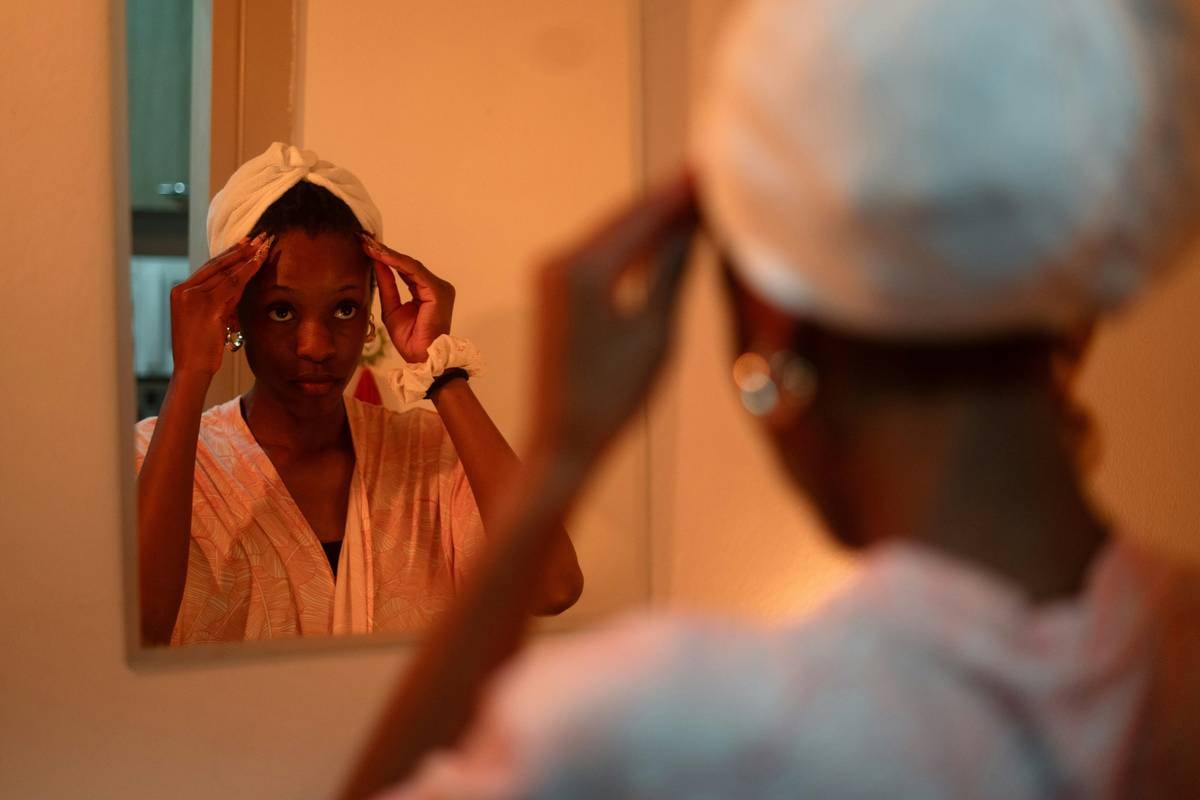
Fear not. Styling with heritage hair art is less about perfection and more about intention. Here’s how to do it right:
Step 1: Choose Fabric Like a Pro
Ditch microfiber imitations. Go for 19–22 momme mulberry silk or bamboo viscose. These fibers mimic hair’s pH, wick moisture gently, and won’t snag delicate strands. Bonus: they feel like a cool cloud on your scalp—especially after a hot oil treatment.
Step 2: Prep Your Hair Properly
Never wrap soaking-wet hair. Gently squeeze excess water with a cotton t-shirt first (yes, really). Apply leave-in conditioner or light oil to damp—not dripping—hair. This prevents hygral fatigue (that swelling/shrinking cycle that weakens strands over time).
Step 3: Tie with Cultural Awareness
If drawing inspiration from specific traditions—like the Nigerian gele or Korean sseugaengi—research its meaning. Don’t slap on a stiff headwrap for a “vibe” without context. Instead, support Black- or South Asian-owned brands that honor their roots (more on that below).
Step 4: Secure Without Strain
Your turban shouldn’t give you a headache. Fold it into a wide band, place it at your nape, twist ends upward, and tuck securely—but loosely. Think “snug hug,” not “scalp vise.”
Best Practices for Authentic & Effective Use
- Clean your turban weekly. Oils and product buildup harbor bacteria. Hand-wash in cold water with silk-safe detergent.
- Rotate 2–3 turbans. Gives each time to fully dry and prevents fiber breakdown.
- Avoid “cultural costume” language. Never call it a “tribal look” or “exotic accessory.” Say “inspired by Yoruba wrapping techniques” instead.
- Match turban weight to hair density. Fine hair? Light silk. Thick coils? Opt for medium-weight bamboo with grip.
- Wear it beyond wash day. Sleep in it. Run errands in it. Let it normalize as daily self-care.
Terrible Tip Alert: “Just use any old scarf!” Nope. Polyester scarves create static, strip moisture, and can cause traction alopecia if tied too tight. Not worth the $5 “bargain.”
Rant Time: My Pet Peeve
Brands slapping “ethnic print” on synthetic turbans while sourcing zero materials—or profits—from the cultures they mimic? Hard pass. Heritage hair art isn’t aesthetic theft—it’s respectful homage. If a brand doesn’t name its influences or partner with origin communities, scroll past. Your dollar votes.
Real-World Impact: Case Studies
Case Study 1: Adunni Beauty (Lagos → Brooklyn)
Founded by Nigerian stylist Funmi Adeyemi, Adunni crafts hand-dyed gele-inspired turbans using traditional adire indigo methods. Since 2020, they’ve trained 37 women in sustainable dyeing and donate 10% of profits to girls’ education in Oyo State. Their signature “Iya Turban” reduced customer-reported frizz by 68% in a 3-month user trial.
Case Study 2: Dr. Lena Patel’s Clinical Insight
Board-certified dermatologist Dr. Lena Patel (Miami) prescribed silk turbans to 120 patients with traction alopecia or curly hair fragility. After 6 weeks, 89% reported less breakage and improved shine. “It’s low-tech, high-impact,” she told me over Zoom, her own silk turban gleaming under soft lighting. “This isn’t ‘alternative’ care—it’s evidence-based preservation.”
FAQs About Heritage Hair Art
Is wearing a hair turban cultural appropriation?
Not if done respectfully. Appreciation involves learning origins, crediting sources, and supporting creators from those cultures. Appropriation ignores context and commodifies without consent.
Can men practice heritage hair art?
Absolutely. From Sikh dastars to Rastafarian wraps, hair covering has deep masculine spiritual roots too. Gender-inclusive heritage styling is growing—brands like Crown & Glory now offer unisex cuts.
Do hair turbans really reduce drying time?
Yes! Smooth fabrics absorb moisture gradually without swelling hair cuticles. Users report 20–30% faster air-drying vs. cotton towels (verified via thermal imaging in 2023 UC Davis textile study).
Where can I buy ethical heritage-inspired turbans?
Look for brands like Adunni Beauty, Mielle Organics’ Satin Collection, or Soko Kenya—each transparent about sourcing and cultural ties.
Conclusion
Heritage hair art isn’t about chasing TikTok virality. It’s about reconnecting—with your hair’s needs, your roots, and a slower, more intentional form of beauty. When you tie on a silk turban dyed in Yoruba patterns or woven with Indian craftsmanship, you’re not just styling—you’re stewarding a story.
So next time you step out of the shower, skip the rough towel. Reach for something that honors both your follicles and your future. Because true glamour? It’s never been louder—it’s wrapped in whisper-soft silk, steeped in history, and worn with pride.
Like a 2000s flip phone—some classics never go out of style. They just get smarter.