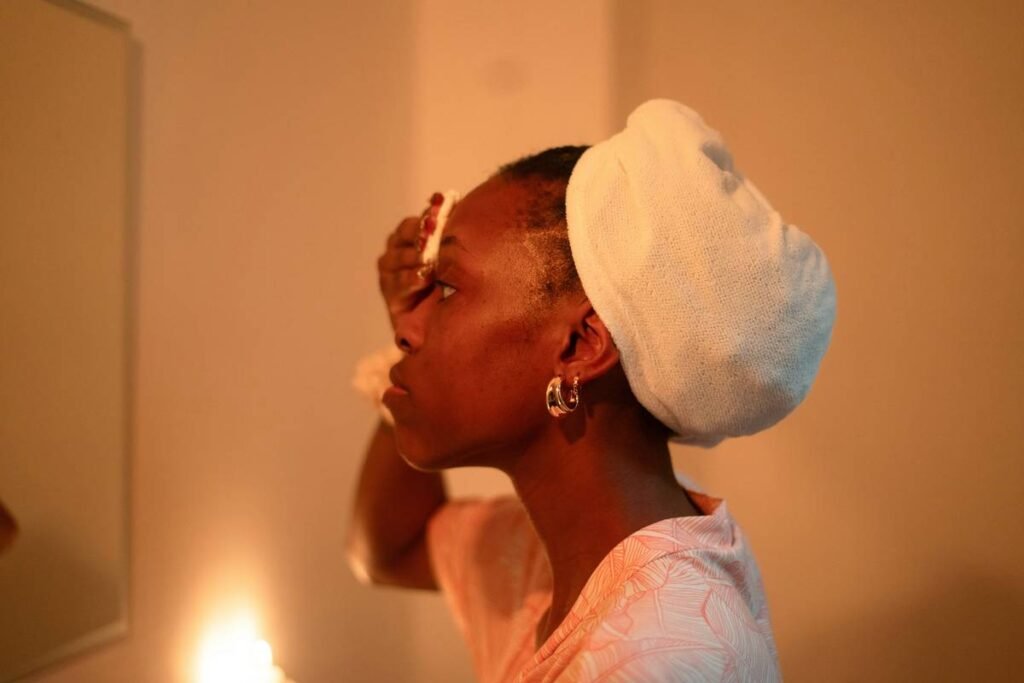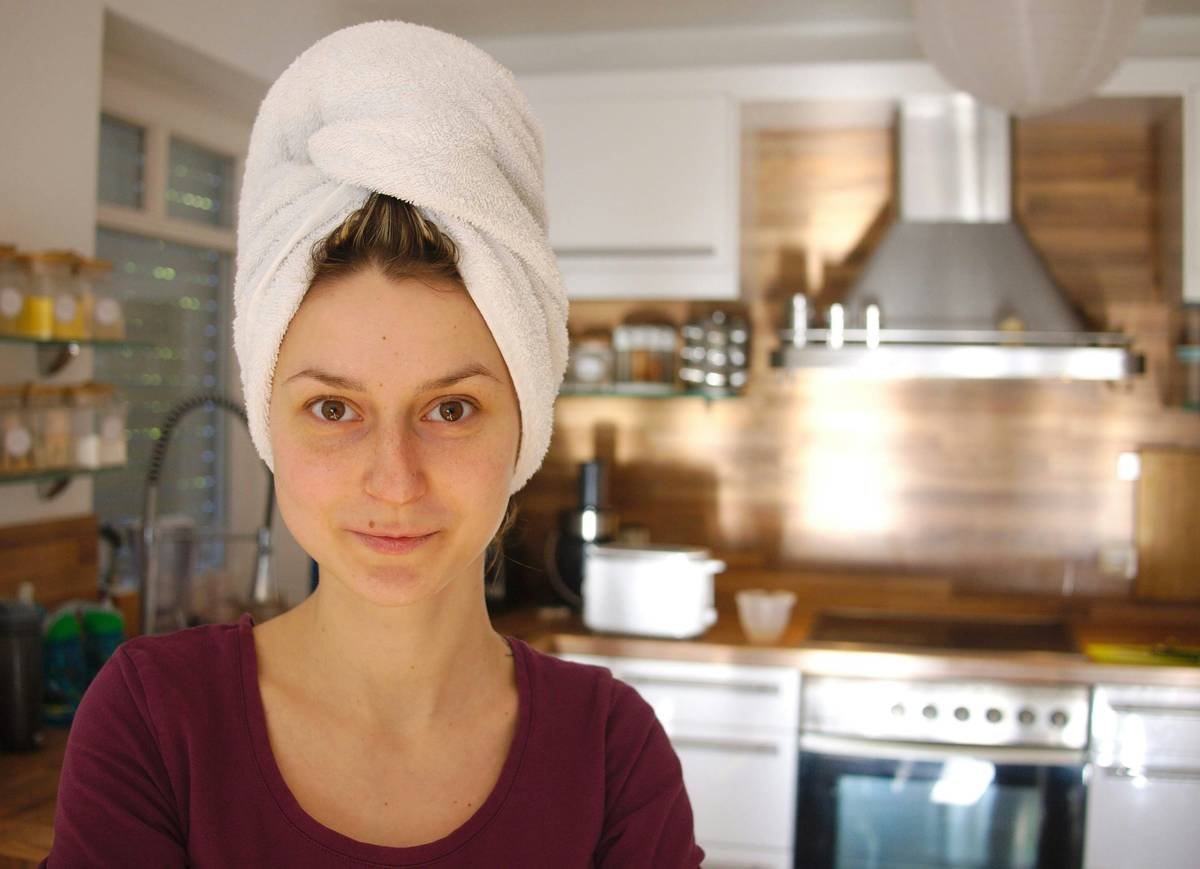
Frizzy towel-dried hair. Broken strands. Stained linens. You’re not alone—most at-home spa head wrap routines damage hair more than they protect it. The solution isn’t another fluffy turban—it’s rethinking how you wrap, when you wrap, and what you wrap with.
The Real Problem With Standard Hair Turbans
That “luxury” microfiber wrap from the drugstore? It’s probably sandpaper in disguise. Most mass-market spa head wraps use coarse weaves that snag cuticles during absorption—especially on damp, vulnerable hair. And cotton terry? Forget it. Cotton absorbs moisture—but then dumps it back onto your strands as it dries, swelling the hair shaft and encouraging frizz. Worse, constant tugging from ill-fitting wraps weakens roots near the hairline.
Here’s the reality: texture matters more than thread count. And fit? Non-negotiable.
How to Use a Spa Head Wrap Correctly—Step by Step
Pre-Wrap Prep: Squeeze, Don’t Rub
Gently press excess water out with your palms. Never twist or rub. That friction lifts cuticles—and once lifted, they don’t lie flat again without serious smoothing.
Choose the Right Fabric (Hint: Not Microfiber)
True silk or satin-lined turbans reduce friction by up to 70% compared to cotton or standard microfiber. But beware: “satin” often means polyester—which generates static. Go for mulberry silk or bamboo viscose. They’re cooler, smoother, and actually wick moisture away without rebounding it.
The Wrap Technique That Prevents Breakage
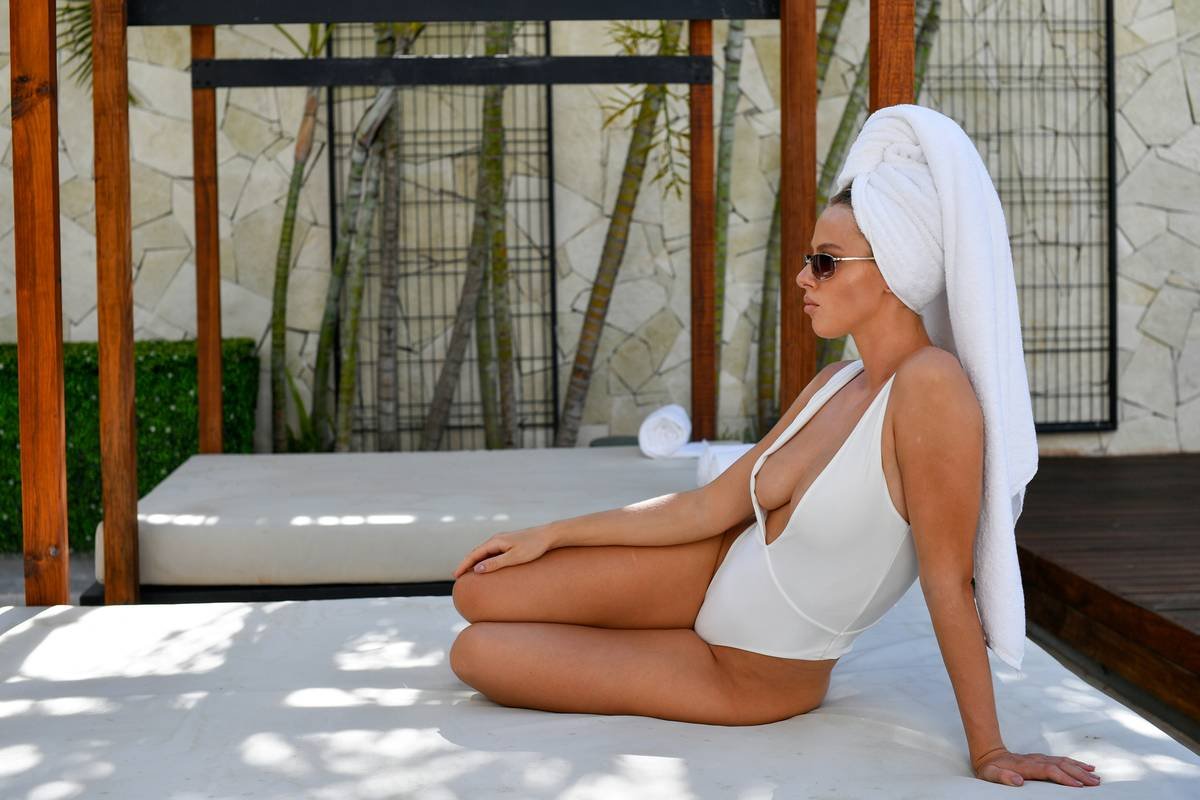
Flip hair forward. Place the spa head wrap crown-first—not forehead-first. Twist the tail gently backward and tuck it under, not over. This keeps tension off your nape and temples. Tight enough to stay put—loose enough you can slip a finger underneath.
| Material Type | Friction Level | Drying Time | Hair Health Impact |
|---|---|---|---|
| Cotton Terry | High | Slow (60+ mins) | Promotes frizz, weakens cuticle |
| Standard Microfiber | Moderate-High | Medium (30-45 mins) | Can snag fine or curly hair |
| Bamboo Viscose | Low | Fast (20-30 mins) | Smooths cuticle, retains moisture balance |
| Mulberry Silk | Very Low | Medium-Slow (35-50 mins) | Best for fragile, color-treated, or frizz-prone hair |

The Industry Secret No Brand Wants You to Know
Most “spa-quality” turbans are designed to look good in Instagram flat lays—not perform. Here’s what salons actually use backstage: double-layer wraps with an inner absorbent bamboo core and an outer silk shell. The inner layer pulls water away silently; the outer slides against pillowcases without catching. You won’t find this combo at Sephora—it’s custom-made by niche artisans. And get this: you should only wear it for 20–25 minutes max. Longer = trapped humidity = fungal risk along the scalp line. Seriously. Dermatologists see it weekly.
Frequently Asked Questions
Can I sleep in a spa head wrap?
No. Overnight use traps moisture against the scalp, raising pH and encouraging yeast overgrowth. Limit wear to under 30 minutes post-shower.
Are silk spa head wraps worth the price?
Yes—if your hair is color-treated, curly, or fine. Silk reduces mechanical damage by minimizing fiber-on-fiber abrasion during drying. Cheaper synthetics mimic sheen but not performance.
How often should I wash my spa head wrap?
After every 2–3 uses. Oils, product residue, and dead skin accumulate fast. Hand-wash in cold water with mild detergent to preserve fabric integrity.