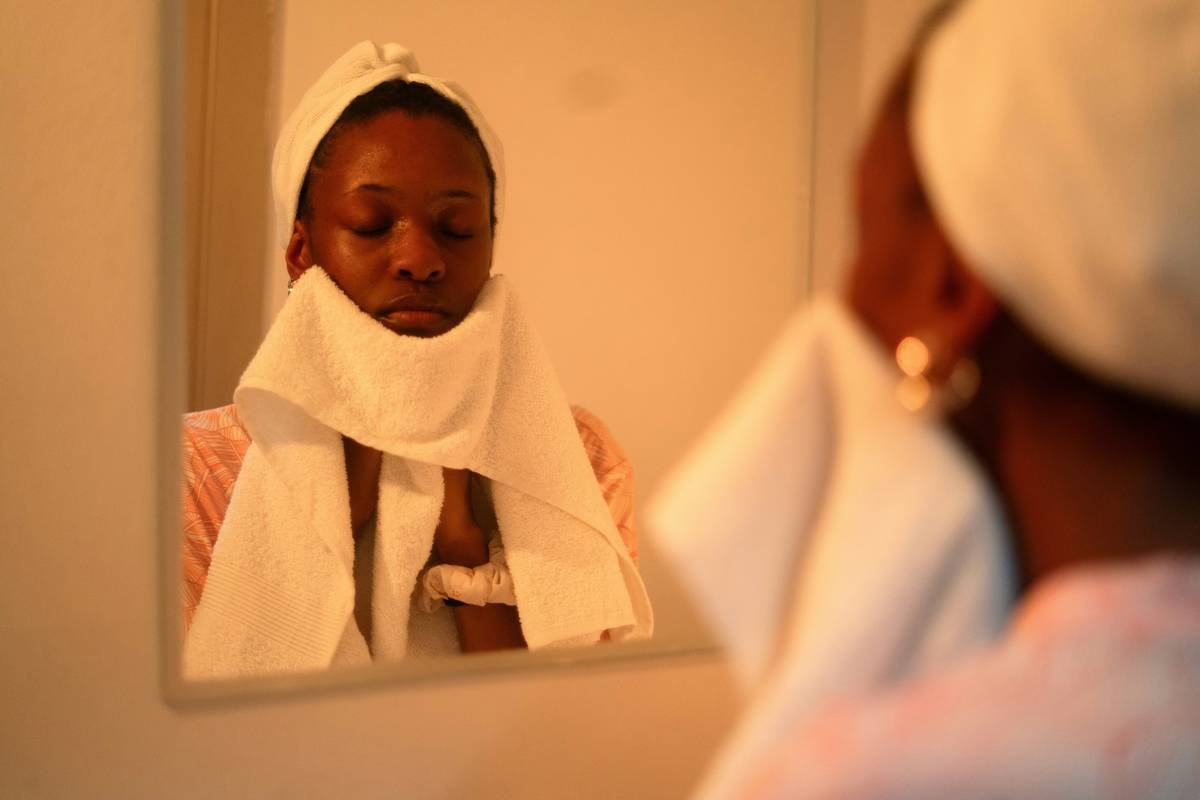
You step out of the shower—hair soaked, frizz blooming like wildfire. Again. You used a shower cap. Maybe even paid $20 for a “luxury” one. Yet water still seeped in, wrecking your blowout or undoing your keratin treatment. The truth? Most shower hair cover options aren’t designed for real hair—they’re built for mannequins with flat, fine strands. And that gap between expectation and reality is costing you time, money, and confidence.
The Core Problem: Why Standard Shower Caps Fail Real Hair
Traditional plastic caps assume your hair sits neatly at the nape of your neck. Try that with thick 3C curls, waist-length extensions, or even shoulder-length layers. The moment you move, water sneaks under the rim. And let’s be honest—most caps look like medical waste. They crack after three uses. They slip off. They trap steam against your scalp, creating the perfect petri dish for fungal growth.
But here’s what no brand admits: it’s not about waterproofing alone. It’s about fit, tension distribution, and breathability. Ignore any one of those, and you’ve got a soggy mess wrapped in false promises.
Your Step-by-Step Guide to Choosing & Using the Right Shower Hair Cover
Step 1: Measure Your Hair Mass, Not Just Length
A bun the size of a tennis ball needs different coverage than sleek pin-straight hair. Wrap your hair as you normally would pre-shower—then measure the circumference. If your “bun” exceeds 6 inches wide, skip standard caps entirely.
Step 2: Prioritize Sealed Edges Over Material Thickness
Thick plastic feels durable—but if the seam isn’t ultrasonically welded, water wicks through micro-gaps. Look for double-folded, heat-sealed edges. Bonus: silicone-lined inner bands grip without tugging.
Step 3: Embrace the Turban Hybrid
Modern hair turbans made for shower use combine absorbent microfiber interiors with waterproof outer shells. They cradle volume while blocking moisture—without flattening your style. This is where performance meets practicality.
| Method | Water Protection | Hair Volume Support | Lifespan (Avg.) | Price Range |
|---|---|---|---|---|
| Basic Plastic Cap | Moderate | Poor | 2–5 uses | $1–$5 |
| Silicone Cap | High | Fair (for thin/medium hair) | 20+ uses | $8–$18 |
| Shower Hair Cover Turban (Hybrid) | Very High | Excellent | 50+ washes | $16–$28 |

The Industry Secret: Pros Don’t Use Caps—They Use Compression Mapping
Behind salon doors, stylists managing post-treatment clients rely on something called “compression mapping.” It’s not a product—it’s a technique. They wrap hair in a microfiber turban first to absorb surface moisture, then layer a lightweight waterproof cover over it. The inner layer prevents condensation buildup; the outer shell blocks external water. The result? Zero saturation, zero frizz.
And here’s the kicker: most luxury “shower hair cover” brands sell this as two separate items. But the real innovation lies in integrating both functions into one seamless design—like the ones developed originally for chemotherapy patients needing scalp protection. That tech trickled down into high-end beauty quietly. You just never saw the patent filings.
Frequently Asked Questions
Can a shower hair cover really keep all water out?
Yes—if it seals around your hairline without gaps. Look for adjustable back closures and elastic-free tension bands to prevent leakage at the temples.
Are fabric shower caps better than plastic?
Not if they’re purely cotton. But hybrid turbans with waterproof membranes outperform both plastic and fabric alone by managing moisture internally while repelling external water.
How often should I replace my shower hair cover?
Replace plastic caps every 5 uses. Silicone lasts months. High-quality turbans (like those from celiya.com) endure 50+ washes if air-dried properly—never machine-dry them.