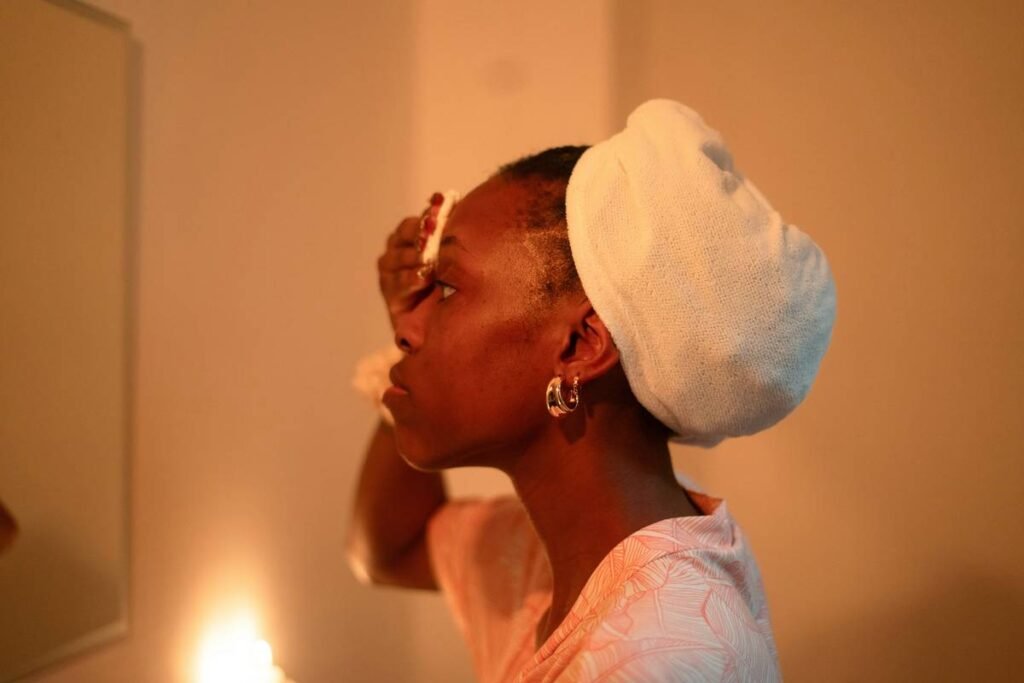
Frizz after washing. Breakage from rough towels. Dry, irritated scalps from synthetic wraps. If your post-shower routine leaves your hair worse off than before—you’re not alone. The problem isn’t your products—it’s your drying method. Enter the soft head turban: a gentle, absorbent alternative that cuts drying time and protects delicate strands without compromise.
Why Cotton Towels Are Sabotaging Your Hair Goals
Most people grab the nearest bath towel and rub—hard. Big mistake. Cotton fibers are rough at a microscopic level. They snag cuticles, cause friction-induced split ends, and strip natural oils. And oversized towels? They stay damp too long, creating a breeding ground for bacteria that can trigger scalp irritation or even folliculitis.
Worse yet—traditional turbans made from low-grade polyester trap heat but don’t wick moisture effectively. The result? Damp hair sits against skin for hours. Not ideal.
How to Use a Soft Head Turban the Right Way
Choose Fabric That Works With Your Hair Type
Micromodal, bamboo viscose, or ultra-fine terry? Each has pros. Fine or fragile hair thrives with micromodal—it’s silky-smooth with zero drag. Thick, curly textures benefit from bamboo’s balance of grip and absorption. Avoid anything labeled “polyester blend” unless it’s specifically designed for hair care.
Wrap Timing Matters More Than You Think
Don’t wait until your hair is dripping. Gently squeeze excess water first. Then wrap within 60 seconds post-rinse. This window locks in hydration while pulling surface moisture away—critical for preventing hygral fatigue (that swelling-shrinking cycle that weakens strands over time).
The Twist Technique That Prevents Slippage
Lay the turban flat. Place the center at your nape. Bring both ends up and twist once over the crown—then tuck. No knots. No tension on roots. A proper soft head turban should stay put during light movement but release cleanly without tugging.
| Drying Method | Absorption Speed | Friction Level | Scalp-Friendly? |
|---|---|---|---|
| Cotton Bath Towel | Moderate | High | No — harbors microbes |
| Synthetic Wrap (Polyester) | Low | Medium | Only if breathable |
| Soft Head Turban (Bamboo/Micromodal) | Fast | Negligible | Yes — hypoallergenic & quick-dry |

The Industry Secret: Salons Don’t Use Towels Between Services
Here’s what no one tells you: professional colorists and stylists avoid cotton towels between clients—not just for hygiene, but because they’ve seen how rough fibers degrade freshly treated hair. Instead, many upscale salons quietly use microfiber or modal wraps backstage. Why? Because chemical-treated strands (bleached, keratin-smoothed, or permed) are especially vulnerable. A soft head turban preserves integrity during processing downtime. At home, you get the same pro advantage—minus the $200 price tag.
And yes—some luxury brands markup these wraps by 400%. But material science hasn’t changed. You just need the right weave, not the logo.
Frequently Asked Questions
Can I sleep in a soft head turban?
Only if it’s specifically designed for overnight use—most aren’t. Standard turbans compress hair too tightly when lying down, causing creases or restricted circulation. Opt for a satin-lined sleep cap instead.
How often should I wash my soft head turban?
After every 3 uses—or immediately if used on product-treated hair. Residue buildup reduces absorbency. Hand-wash in cool water with mild detergent to preserve fiber structure.
Are soft head turbans good for curly hair?
Absolutely. They minimize frizz by reducing mechanical disruption during drying—the #1 cause of puffiness in type 3 and 4 curls. Just avoid over-twisting; let the fabric do the work.