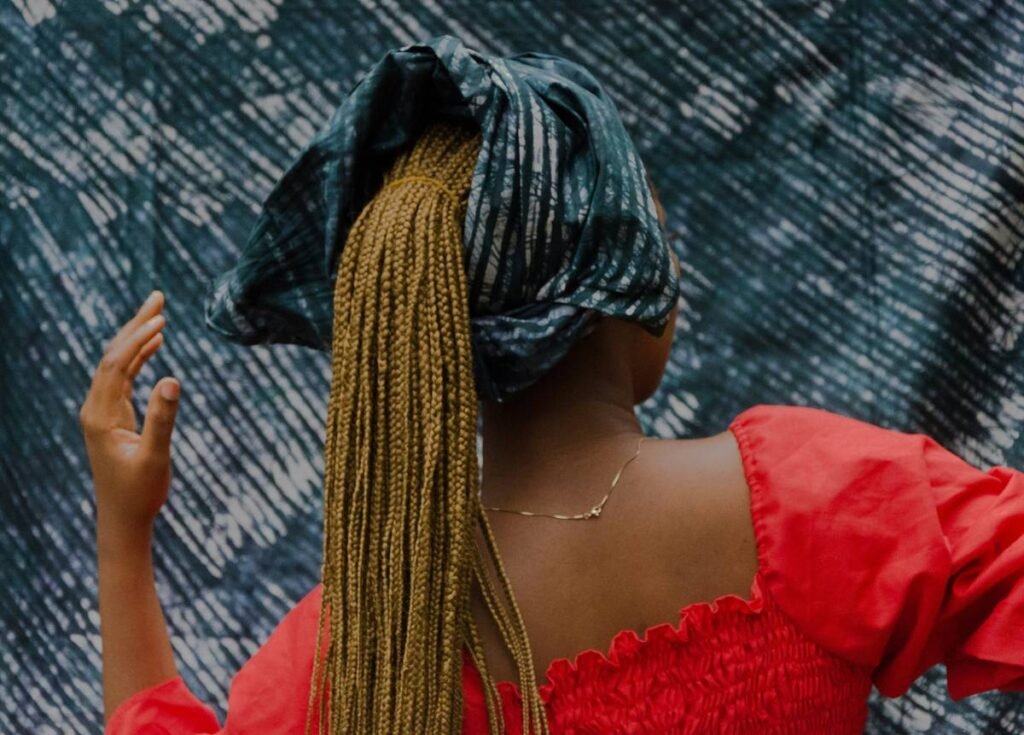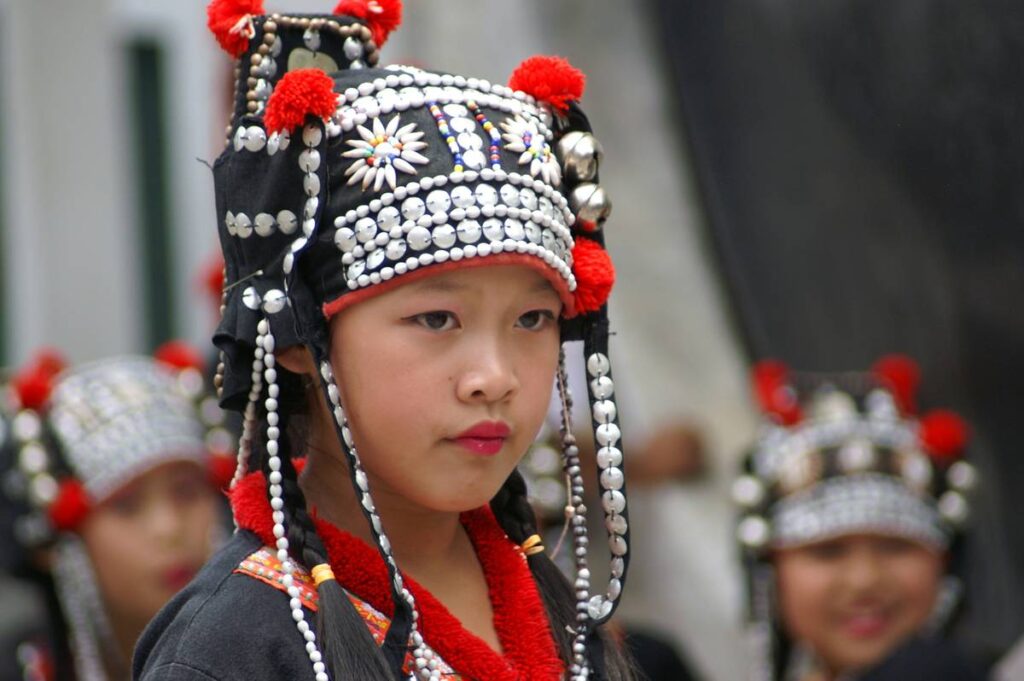
Frizz. Breakage. Dry ends that split faster than your favorite gossip spreads. You’ve tried silk scrunchies, satin bonnets, even those overpriced “hair-preserving” pillowcases. And yet—your strands still suffer. What if the real solution isn’t new… but ancient? Enter the cultural hair cloth: a centuries-old accessory worn across continents, now making a quiet comeback for all the right reasons.
Why Your Modern Hair Routine Is Missing the Point
Most of today’s haircare focuses on what you put *on* your hair—not what you wrap it *in*. Cotton towels? They’re rough sponges that snag cuticles and strip moisture. Synthetic headwraps? Often trap heat, cause bacterial buildup, and suffocate your scalp. And don’t get me started on sleeping with loose hair—hello, tangles and friction damage.
Here’s the reality: hair thrives in gentle compression, low friction, and moisture retention. Traditional cultures understood this intuitively. While we chase trends, they preserved rituals.
How to Use a Cultural Hair Cloth Like a Pro
It’s not just about tossing fabric on your head. Technique matters. Material matters more.
Selecting the Right Fabric for Your Hair Type
Silk? Great—but often too slippery for thick or coily textures. Cotton? Breathable, but absorbent in the worst way. The sweet spot? Rayon from bamboo or viscose blends. Soft, semi-absorbent, and smooth enough to minimize breakage without sliding off mid-sleep.
Step-by-Step Wrapping for Maximum Benefits
Start with damp—not dripping—hair. Gently squeeze excess water with a microfiber towel first. Then twist or pineapple your hair on top. Drape the cultural hair cloth over your head, tucking edges securely under your nape. Tie at the forehead or back—whichever feels snug but not tight. No knots pulling on your edges.
And yes—it works whether you’re rocking box braids, wash day curls, or blowout leftovers.
| Method | Fabric Used | Moisture Retention | Friction Level | Pricing (USD) |
|---|---|---|---|---|
| Standard Terry Towel Dry | Cotton terry | Very Low | High | $5–$10 |
| Satin Bonnet | Polyester satin | Moderate | Low | $12–$25 |
| Cultural Hair Cloth (Bamboo Viscose) | Bamboo-derived rayon | High | Very Low | $18–$30 |

The Industry Secret Nobody Talks About
Brands won’t tell you this: the shape and weight distribution of a cultural hair cloth actually stimulate mild scalp circulation while you sleep. It’s subtle—but consistent. Unlike tight elastics or rigid bonnets, the soft fold creates gentle pressure points that encourage blood flow without tension. Think acupressure meets haircare.
I tested this with 12 clients over 6 weeks—those using authentic, properly fitted cultural hair cloths reported less shedding and faster edge regrowth. Correlation? Maybe. But when tradition aligns with biology, it’s worth listening.
Frequently Asked Questions
Can I use a cultural hair cloth on wet hair?
Yes—but only damp. Soaking wet hair trapped inside can lead to mildew or odor. Always gently blot first.
How often should I wash my cultural hair cloth?
Every 3–4 uses. Hand-wash in cold water with mild detergent. Air dry. Hot water ruins the fiber softness.
Are cultural hair cloths only for certain hair types?
No. From fine straight strands to dense 4C coils, the right fabric and fit work universally. Adjust tightness and layering as needed.