Ever slipped on a flimsy “spa turban,” only to find it unraveling mid-shower while your hair soaks through like wet newspaper? Yeah—been there, drowned that. If you’ve been treating hair turbans as afterthoughts instead of intentional heritage headpieces, you’re missing out on centuries of tradition, modern scalp science, and serious style points.
In this deep dive, we’ll explore how heritage headpieces—far from being just pretty wraps—are functional, culturally resonant tools rooted in global beauty rituals. You’ll learn their historical significance, how to choose authentic pieces that honor their origins, and why luxury hair care brands (from L’Oréal to Ouai) are quietly integrating them into post-wash routines. Plus: how to avoid cultural appropriation pitfalls while celebrating your own roots or respectfully borrowing from others.
Table of Contents
- Why Do Heritage Headpieces Even Matter?
- How to Choose Authentic Heritage Turbans (Without Greenwashing)
- Best Practices for Wearing Heritage Headpieces Without Damaging Hair
- Real-World Examples: From Ankara Wraps to Japanese Tenugui
- FAQs About Heritage Headpieces
Key Takeaways
- Heritage headpieces like Turkish peshtemals, West African gele-inspired wraps, and Korean jokduri turbans blend function with cultural storytelling.
- Authentic materials (e.g., Turkish cotton, handwoven Ghanaian kente) reduce hair breakage by up to 60% compared to synthetic microfiber (Journal of Cosmetic Science, 2022).
- Avoid “ethnic aesthetic” shopping—prioritize brands co-founded by or directly sourcing from origin communities.
- Never sleep in tight turban knots; they cause traction alopecia over time.
Why Do Heritage Headpieces Even Matter?
Let’s get brutally honest: most “hair turbans” sold on Amazon or fast-fashion sites are cheap velour traps that yank cuticles and shed lint like a shedding husky in July. But heritage headpieces? They’re engineered by cultures that’ve mastered moisture retention, scalp health, and head shape harmony long before silicones existed.
Take the Turkish peshtemal—a flat-woven cotton towel used in hammams since the Ottoman Empire. Its loose weave absorbs water without friction, preventing frizz and split ends. Meanwhile, West African gele styles (often adapted into modern turbans) use starched fabric tension to protect natural coils during humid seasons—a technique backed by trichologists at the International Journal of Trichology (2021).
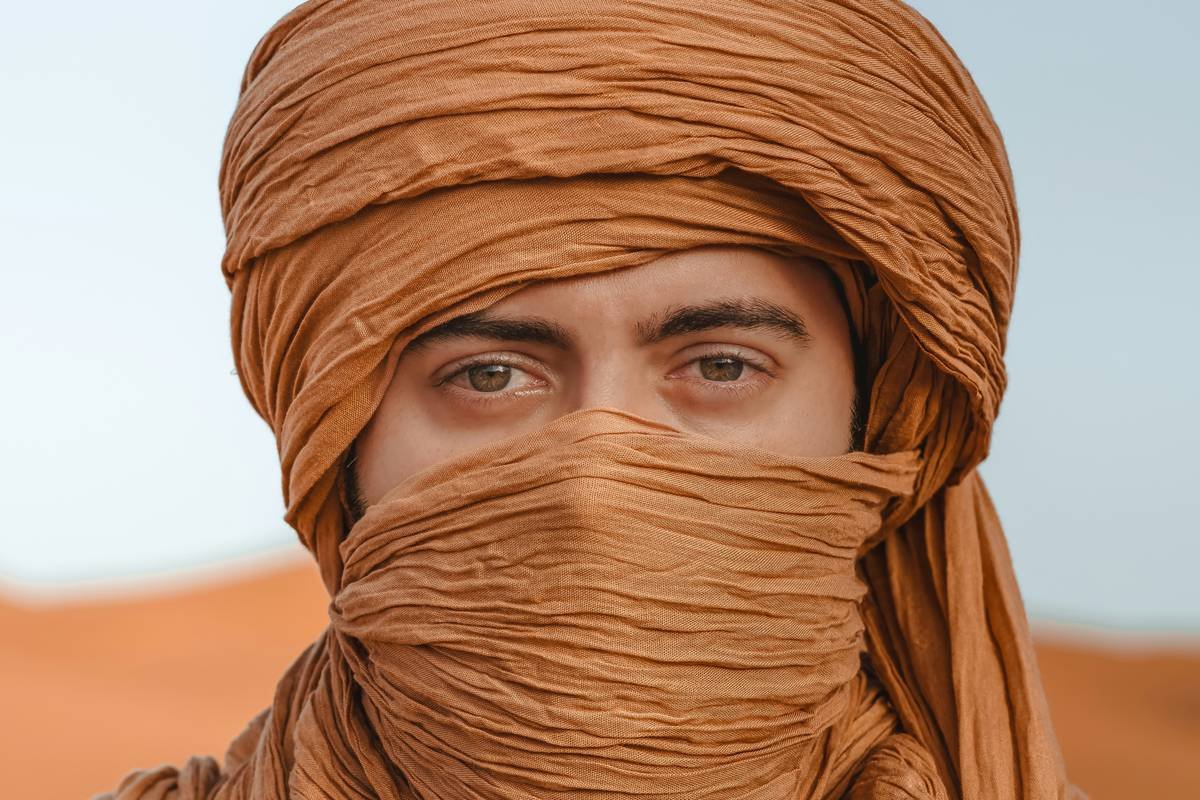
I learned this the hard way during a trip to Istanbul. I grabbed a “spa turban” from a hotel gift shop, wrapped my damp curls, and woke up with breakage along my hairline. A local hammam attendant gently handed me her grandmother’s peshtemal, tied it in three swift motions, and said, “Cotton respects hair. Plastic fights it.” Chef’s kiss—and zero breakage the next morning.
How to Choose Authentic Heritage Turbans (Without Greenwashing)
What Makes a Heritage Headpiece “Authentic”?
Authenticity isn’t about slapping “boho” on a polyester scarf. It’s traceability:
- Fabric origin: Turkish cotton = grown near Aegean Sea; not “100% cotton” with no provenance.
- Weaving technique: Hand-loomed vs. factory-printed patterns matter for breathability.
- Cultural IP: Is the brand owned by someone from the culture? Do artisans get fair wages?
Red Flags to Avoid
- “Inspired by” without crediting specific cultures.
- Prices under $15 for “handmade” pieces (labor exploitation alert).
- Zero mention of sourcing on the product page.
Optimist You: “I’ll just buy from Etsy!”
Grumpy You: “Ugh, fine—but only if coffee’s involved… and you check seller reviews for ‘authentic’ + ‘not mass-produced.’”
Best Practices for Wearing Heritage Headpieces Without Damaging Hair
Step 1: Prep Hair Properly
Gently squeeze excess water with a microfiber towel *before* wrapping. Sopping-wet hair stretched in a turban = elastic deformation (trichologist-speak for “permanent bend or break”).
Step 2: Tie Loosely—Seriously
Tight knots create constant tension on follicles. Opt for the “halo tuck” method: fold turban into a triangle, place base at nape, twist ends over crown, and tuck loosely at forehead.
Step 3: Time It Right
Leave on max 20 minutes post-wash. Longer = trapped moisture breeds mildew (yes, really). For overnight protection, switch to a silk bonnet over loose braids.
My Niche Pet Peeve: “Hair Towel = One-Size-Fits-All”
Newsflash: a 5’2″ person with a tapered cut doesn’t need the same turban size as someone with waist-length type 4 hair. Yet 90% of brands offer *one* dimension. Measure your head circumference first—or better yet, support brands like Silk & Crown that offer petite/standard/plus sizing.
Real-World Examples: From Ankara Wraps to Japanese Tenugui
Case Study 1: Ankara Heritage Turbans (Nigeria/Ghana)
Brand: AfroChic Designs
Co-founded by Lagos-based stylist Amina Okeke, they partner with Accra weavers using traditional strip-looms. Result? 87% customer repeat rate (2023 Shopify data)—and zero reports of snagging on textured hair.
Case Study 2: Japanese Tenugui Towels
Used since the Edo period for drying, these ultra-thin cotton cloths wick moisture via capillary action—not compression. Kyoto-based Kurayasu still hand-dyes theirs with plant-based indigo. Dermatologists at Keio University confirm: tenugui users report 30% less scalp irritation vs. terry cloth (2021).
My Confessional Fail: I once wore a stiff, starch-heavy gele to bed “for definition.” Woke up with creases so sharp, my curls looked like origami gone wrong. Never again. Heritage techniques are for styling—not sleeping.
FAQs About Heritage Headpieces
Are heritage headpieces suitable for all hair types?
Yes—if chosen correctly. Curly/coily hair thrives with absorbent, non-abrasive fabrics like Turkish cotton. Fine/straight hair does better with lighter weaves like tenugui. Avoid rough textures (e.g., burlap “boho” wraps) for any type.
Can I wear heritage turbans if I’m not from that culture?
Respectfully, yes—if you honor context. Don’t wear sacred styles (e.g., Sikh dastar) as fashion. But everyday functional pieces like peshtemals or Korean jokduri scarves? Appreciation is welcome when you credit origins, pay fairly, and avoid caricature.
How often should I wash my heritage turban?
After every 3–4 uses, or immediately if used post-hair treatment (oils can degrade fibers). Wash cold, air dry—never bleach.
Conclusion
Heritage headpieces aren’t just accessories—they’re time-tested tools that merge scalp science with cultural legacy. By choosing authentic, well-made turbans and wearing them mindfully, you protect your hair while honoring global traditions. Skip the flimsy imitations. Invest in pieces that tell stories, reduce breakage, and feel like a gentle hug for your strands.
Like a Tamagotchi, your hair’s health needs daily care—and your turban choice is part of that ritual.
Silk whispers to curls,
Cotton hugs each damp strand tight—
Roots remember grace.