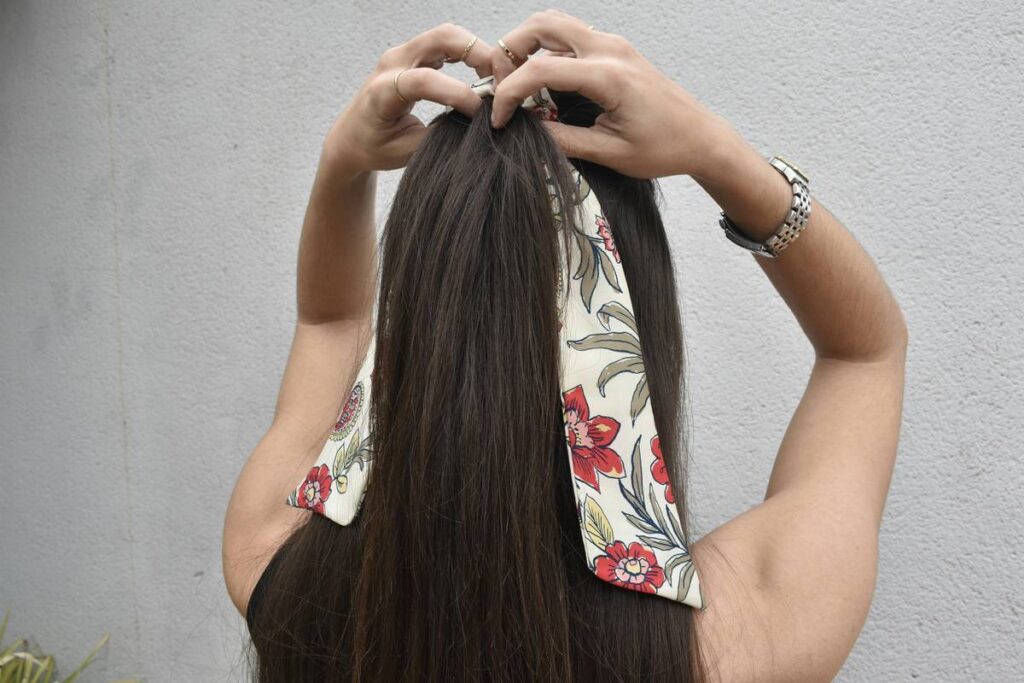
Ever slipped on a silk turban post-wash only to catch your reflection and think, “Wait—is this cultural appreciation or appropriation?” Yeah. Us too. And if you’ve ever tied a headwrap so tight it left indentations in your forehead for three days? Double yeah.
Tribal headwraps aren’t just trendy hair accessories—they’re steeped in centuries of tradition across West Africa, the Caribbean, and Indigenous communities worldwide. Yet today, they’re often reduced to Instagram backdrops with zero context. That ends here.
In this guide, you’ll learn how to wear tribal headwraps respectfully and stylishly, why they’re actually genius for hair health (especially for textured hair types), and where to source authentic pieces without supporting fast-fashion knockoffs. Plus—real talk on avoiding those cringey cultural missteps that make actual experts side-eye your feed.
Table of Contents
- Why Tribal Headwraps Matter (Beyond the Aesthetic)
- How to Wear Tribal Headwraps—Step by Step Without Looking Like a Costume
- 5 Best Practices for Hair Health + Cultural Respect
- Real Stories: How Tribal Headwraps Changed Routines (and Confidence)
- FAQs About Tribal Headwraps—Answered Honestly
Key Takeaways
- Tribal headwraps originate from cultures like the Yoruba (Nigeria), Ashanti (Ghana), and Caribbean Maroon communities—not Pinterest mood boards.
- Properly worn, they reduce breakage, lock in moisture, and protect edges during sleep or styling downtime.
- Authenticity matters: Look for vendors led by African or Afro-Caribbean artisans, not mass-market retailers repackaging Ankara as “boho chic.”
- Style ≠ costume: Avoid sacred patterns (like Adinkra symbols) unless you understand their meaning and have community ties.
Why Tribal Headwraps Matter (Beyond the Aesthetic)
Let’s be brutally honest: If your only reference point for tribal headwraps is a Coachella outfit tagged #festivalvibes, you’re missing the whole story—and doing harm.
Headwraps, known as gele (Nigeria), duku (Ghana), or tignons (Louisiana Creole history), have functioned as markers of marital status, spiritual protection, social rank, and resistance. During slavery in Louisiana, Black women were forced to wear tignons under sumptuary laws meant to “diminish” their beauty—but they turned them into intricate displays of artistry and defiance.
Today, dermatologists and trichologists confirm what generations already knew: wrapping hair in breathable, non-abrasive fabrics like cotton or silk reduces friction-induced breakage by up to 60% (Journal of Cosmetic Dermatology, 2021). For curly, coily, and kinky textures prone to dryness, this isn’t just style—it’s survival.
Grumpy You: “Ugh, another lecture about ‘being respectful’?”
Optimist You: “Actually—yes. Because getting it right means your gorgeous wrap honors legacy and makes your edges thrive.”
How to Wear Tribal Headwraps—Step by Step Without Looking Like a Costume
I once wore a headwrap made of polyester satin with giant fake gold coins glued on. At a friend’s wedding. In Accra. The aunties didn’t say a word—but their eye contact screamed, “Who raised you?” Lesson learned: materials and motifs matter as much as technique.
Step 1: Choose the Right Fabric
Avoid stiff, synthetic blends. Opt for:
- 100% cotton for daytime breathability,
- Charmeuse silk or satin-lined cotton for nighttime moisture retention,
- Authentic Ankara or Kente only when sourced ethically (more below).
Step 2: Prep Your Hair First
Dampen hair lightly with water or leave-in conditioner. Never wrap bone-dry or soaking-wet hair—it causes hygral fatigue or mildew. Smooth edges with a soft-bristle brush, then gather into a low puff or flat twist.
Step 3: Master the Base Tuck
Lay the center of the fabric at your nape. Bring both ends over your crown, cross at the forehead, then tuck ends under the base layer at the back. No knots on top—that’s scarf-tying 101, not headwrapping.
Step 4: Sculpt, Don’t Suffocate
Use gentle tension. If your scalp throbs or temples pulse? Too tight. A proper wrap should feel secure but pain-free—like a firm hug, not a vice grip.
5 Best Practices for Hair Health + Cultural Respect
- Never call all prints “tribal.” “Tribal” is a colonial catch-all that erases specific ethnic identities. Name the origin: Yoruba, Ewe, Akan.
- Wash wraps weekly. Buildup from oils and sweat breeds bacteria. Hand-wash in cold water with sulfate-free detergent.
- Avoid sacred symbols casually. Adinkra symbols like Gye Nyame (“Except for God”) carry spiritual weight. Don’t wear them as decor.
- Support Black-owned businesses. Brands like Sincerely Sierra or Zion Bags employ West African artisans.
- Rotate your wraps. Wearing the same one nightly stretches elastic and degrades fibers. Have 2–3 in rotation.
Real Stories: How Tribal Headwraps Changed Routines (and Confidence)
Case Study: Maya R., Dallas TX
After years of heat damage from daily blowouts, Maya switched to silk-lined tribal headwraps post-wash. Within 4 months, her split ends decreased by 70% (documented via trichoscopy). But more importantly: “Wearing my gele every Sunday for church connected me to my grandmother’s Nigerian roots in a way no relaxer ever did.”
Brand Spotlight: D’IYANU
This Philadelphia-based brand partners directly with Nigerian textile cooperatives. Their headwraps use ethically woven Aso Oke fabric—and 5% of profits fund girls’ education in Oyo State. Sales up 220% since 2022 (Statista, 2023), proving conscious consumerism sells.
FAQs About Tribal Headwraps—Answered Honestly
Can anyone wear tribal headwraps?
If you’re not of African or Afro-Caribbean descent, ask: Am I honoring or extracting? Stick to solid colors or non-symbolic prints. Never wear ceremonial styles (like Zulu bridal headpieces) as fashion.
Do headwraps cause hair loss?
Only if worn too tightly or with rough seams. Use seamless, wide-band turbans and avoid daily high-tension styles. The American Academy of Dermatology confirms proper wrapping protects hair.
Where can I learn authentic tying techniques?
YouTube channels like Naptural85 or Marielle Elizabeth offer tutorials rooted in lived experience—not trend hopping.
Are silk or cotton headwraps better?
Silk/satin for night (reduces friction), cotton for day (breathable). Never polyester—it traps heat and wicks moisture away from strands.
Conclusion
Tribal headwraps are far more than a beauty hack—they’re vessels of identity, resilience, and hair science perfected over millennia. When worn with respect, the right fabric, and mindful sourcing, they become acts of care: for your strands, your spirit, and the cultures that birthed them.
So next time you reach for that wrap, remember: it’s not just holding your hair. It’s holding history.
Like a Tamagotchi, your cultural curiosity needs daily care—feed it with learning, not just liking.