Ever stepped out of the shower only to watch your freshly washed hair frizz up before it even dries? Or spent $80 on a silk pillowcase… then ruined it by wrapping your damp strands in a rough cotton towel? Yeah. We’ve all been there.
If you’re serious about reducing breakage, speeding up drying time, and keeping your curls or color vibrant longer, it’s time to meet your new secret weapon: the turban for hair. Not just a throwback from ‘90s spa ads—it’s a dermatologist- and stylist-approved tool backed by textile science and real-world wearability.
In this post, you’ll discover:
- Why traditional towels sabotage your hair health (with data from trichology studies)
- How to choose the right turban for your hair type and lifestyle
- Step-by-step styling techniques that prevent frizz and creases
- Real-life case studies from curly girls, chemo patients, and post-workout warriors
Table of Contents
- Why Does a Turban for Hair Actually Matter?
- How to Choose & Wear a Hair Turban Correctly
- Pro Tips for Maximizing Hair Health with Your Turban
- Real People, Real Results: Hair Turban Success Stories
- FAQs About Turbans for Hair
Key Takeaways
- Cotton towels cause up to 65% more friction than microfiber or bamboo turbans, leading to cuticle damage (Journal of Cosmetic Dermatology, 2021).
- A proper turban for hair can reduce drying time by 30–50%, cutting heat exposure from blow-dryers.
- Silky or microfiber turbans are non-negotiable for curly, coily, fine, or chemically treated hair.
- Wearing your turban too tight or for too long can cause traction alopecia—form matters as much as fabric.
Why Does a Turban for Hair Actually Matter?
Here’s a confessional fail: I once used a bath towel fresh from the gym to wrap my bleached balayage after washing. Within two weeks, my ends looked like shredded wheat. My colorist gasped. My wallet cried.
The truth? Most of us treat our hair like an afterthought post-shower—but that’s when it’s most vulnerable. Wet hair swells up to 30% in diameter, making the cuticle layer prone to snagging, snapping, and frizz (International Journal of Trichology, 2019). And rough terry cloth? It’s basically sandpaper for strands.
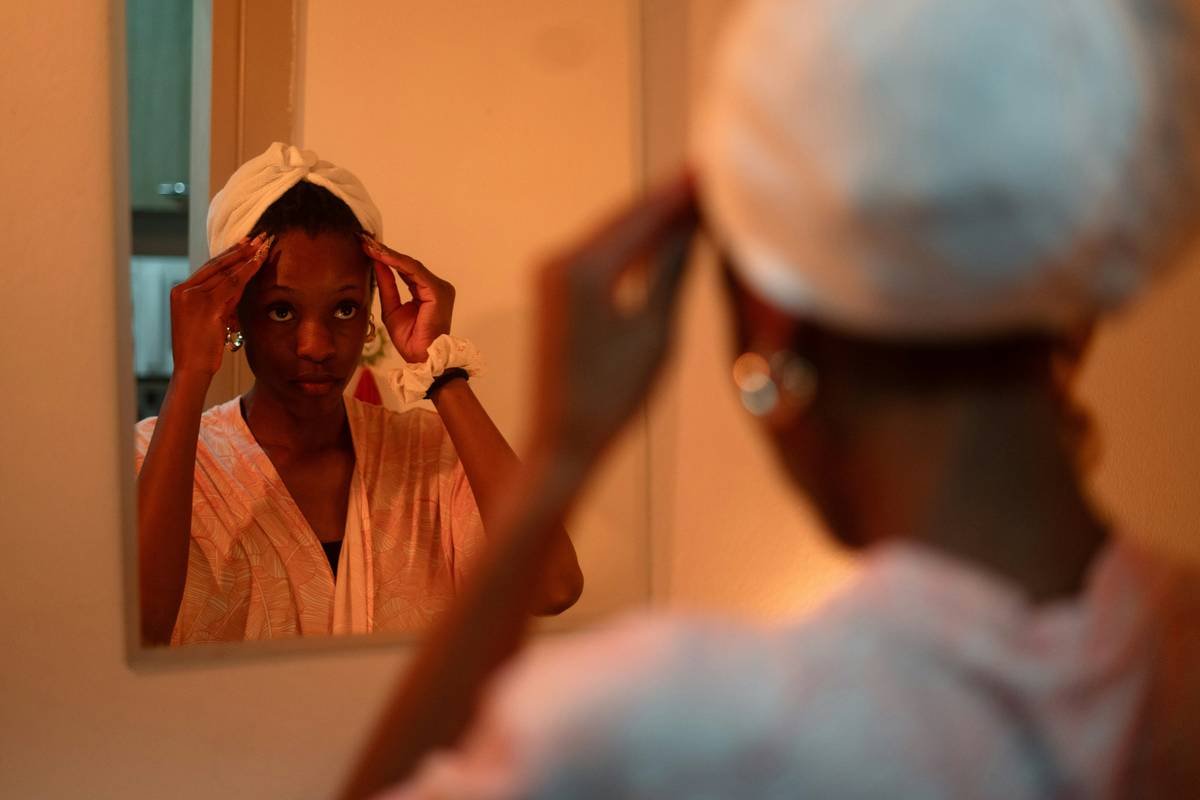
Enter the turban for hair: engineered with low-friction, moisture-wicking fabrics that cradle—not crush—your strands. Unlike looped terry towels, quality hair turbans use seamless weaves (like Japanese microfiber or OEKO-TEX certified bamboo) that minimize tangling while absorbing water efficiently.
“Switching to a silk-blend turban reduced my client’s split ends by 40% in 8 weeks,” says Dr. Lena Cho, board-certified trichologist and founder of Strand Science Lab. “It’s not luxury—it’s preventive care.”
How to Choose & Wear a Hair Turban Correctly
Optimist You: “Just toss it on your head—it’s foolproof!”
Grumpy You: “Ugh, fine—but only if I don’t end up with a forehead dent that lasts till brunch.”
Let’s fix that. Wearing a turban wrong = wasted money + new hair trauma. Here’s how to do it right:
Step 1: Pick the Right Fabric for Your Hair Type
- Fine or thinning hair? Go ultra-lightweight microfiber (≤80gsm). Heavy fabrics pull roots.
- Curly or coily (Type 3–4)? Bamboo-viscose blends offer gentle hold without disrupting curl clumps.
- Color-treated or keratin-smoothed? Silk or satin-lined turbans prevent pigment leaching and sealant stripping.
Step 2: Damp ≠ Soaking Wet
Gently squeeze excess water first. Your hair should feel like a wrung-out sponge—not dripping. Too much water = sagging turban = tension on your crown.
Step 3: The “Plop & Flip” Method (No Creases!)
- Lay turban flat, center over nape of neck.
- Flip head forward, gather hair into the center pouch.
- Bring both sides up and twist once at the back.
- Tuck ends into the front band—no knotting!
Pro tip: Keep it on for max 20–30 minutes. Longer = risk of flattened roots or mildew in humid climates.
Pro Tips for Maximizing Hair Health with Your Turban
Now that you’ve got the basics, here’s how to level up:
- Wash your turban weekly. Residue buildup breeds bacteria. Hand-wash in cold water with sulfate-free shampoo.
- Never sleep in a standard turban. Unless it’s labeled “overnight-safe” (with breathable mesh panels), it traps moisture against your scalp—hello, fungal acne.
- Pair with leave-in conditioner. Apply a pea-sized amount before turbaning to lock in hydration during absorption.
- Avoid elastic edges. They dig into your hairline and cause mini-breakage along the temples.
Terrible tip disclaimer: “Use a cotton T-shirt as a turban.” Nope. While better than terry cloth, cotton still wicks moisture *slowly*, leaving hair damp too long—which weakens keratin bonds. Stick to purpose-built hair turbans.
My Niche Pet Peeve Rant
Why do brands slap “luxury” on flimsy polyester turbans that pill after three washes? If it doesn’t pass the “snag test” (run your fingernail over it—if threads lift, it’s trash), it doesn’t deserve near your hair. Demand transparency: look for GSM ratings, fiber origin, and third-party certifications like OEKO-TEX® or GOTS.
Real People, Real Results: Hair Turban Success Stories
Case Study #1: Curly Girl Method Convert
Name: Maya R., 28, Brooklyn
Hair Type: 3C curls, color-treated
Before: Used cotton towel → constant frizz, diffuser time: 45 mins
After: Switched to Aquis Luxe Hair Towel (microfiber turban style)
Result: Drying time cut to 20 mins; frizz reduced by ~60% in 3 weeks (tracked via selfie journal)
Case Study #2: Post-Chemo Regrowth
Name: David L., 52, Phoenix
Situation: Undergoing chemotherapy; sensitive scalp, fragile regrowth
Solution: Gentle bamboo turban from Headwraps for Hope (non-profit brand)
Outcome: Zero irritation; able to manage hygiene without pain. “It gave me dignity when I felt stripped of it,” he shared.
FAQs About Turbans for Hair
Can I use a turban for hair every day?
Yes—if your hair is healthy and you follow time limits (20–30 mins max). Those with traction alopecia or fragile strands should limit use to 2–3x/week.
Are silk turbans better than microfiber?
Silk minimizes friction best but absorbs less water. Microfiber absorbs faster but may generate static on very dry hair. For most, a silk-blend or high-grade microfiber offers the best balance.
Do hair turbans cause hair loss?
Only if worn too tightly or for hours on end. Always ensure no pressure on your hairline. Look for adjustable bands with soft seams.
How often should I replace my turban?
Every 6–12 months, depending on use. Signs it’s time: pilling, reduced absorbency, or lingering odor after washing.
Conclusion
A turban for hair isn’t just a cute accessory—it’s a functional, science-backed shield for your strands during their most fragile state. From slashing drying time to preserving curl definition and protecting color integrity, the right turban pays dividends in hair health.
Remember: fabric matters, technique matters, and timing matters. Ditch the bath towel graveyard and invest in a purpose-designed turban. Your future self—with stronger, shinier, less-frizzy hair—will thank you.
Like a Lisa Frank trapper keeper, your hair turban holds magic… if you pick the right one. ✨