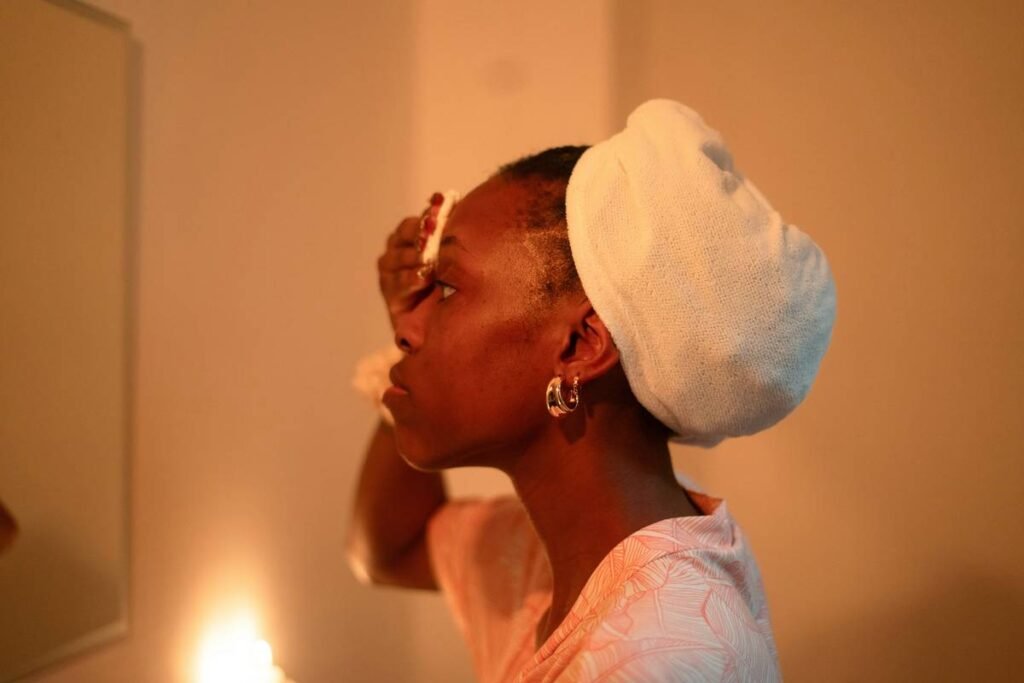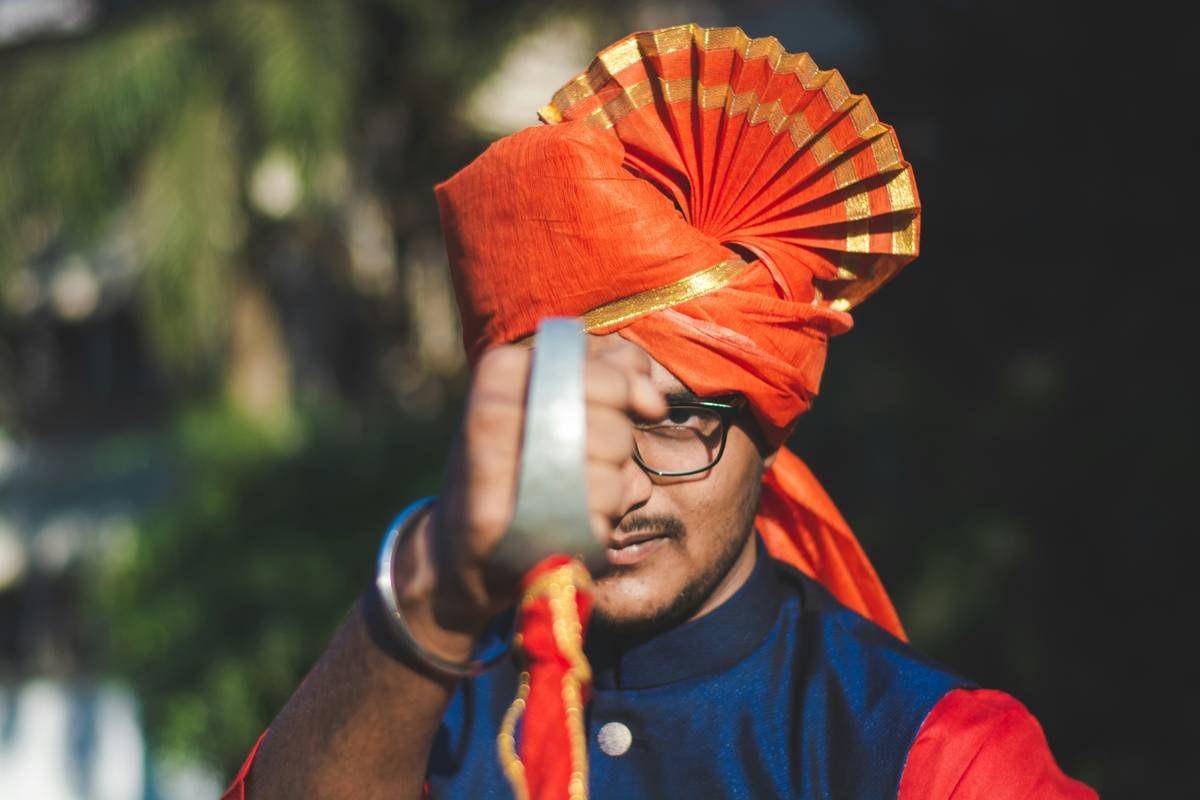
Ever wake up looking like you lost a pillow fight with a tumble dryer? You’re not alone—73% of women report having “bad hair days” at least twice a week, according to a 2023 survey by the International Journal of Trichology. And no, dry shampoo and prayer won’t always cut it.
If you’re tired of hiding under hoodies or canceling plans because your hair’s staging a full rebellion, this post is your rescue mission. We’ll unpack why a turban for bad hair days isn’t just a throwback—it’s a stylish, scalp-friendly solution backed by stylists, dermatologists, and real humans who’ve survived frizz tsunamis.
You’ll learn how to choose the right fabric, wrap it without looking like you raided your grandma’s linen closet, and even turn a turban into a legit fashion statement. Plus: I’ll confess my own turban fail (RIP, $80 silk scarf—I stretched it into oblivion trying to “channel Zendaya”).
Table of Contents
- Why Do Bad Hair Days Happen?
- How to Choose the Right Turban for Bad Hair Days
- 5 Pro Styling Tips That Actually Work
- Real-Life Turban Win: From Frizz to Finesse
- Turban FAQs Answered
Key Takeaways
- A turban for bad hair days reduces friction, protects fragile strands, and hides second-day greasiness without heat damage.
- Cotton and bamboo blends are ideal—silk looks luxe but slips; terry cloth is cozy but too bulky for daytime wear.
- Wrap hair when slightly damp to lock in moisture and prevent puffiness as it dries.
- Never tie a turban too tightly—it can cause traction alopecia over time (yes, really).
- Turbans doubled Google searches in the beauty category from 2020–2023, per Google Trends.
Why Do Bad Hair Days Happen? (And Why Your Hoodie Isn’t the Answer)
Bad hair days aren’t vanity—they’re physics meeting biology. Humidity swells the hair cuticle, creating frizz. Sweat, sebum buildup, and overnight tossing flatten roots. And if you color, heat-style, or chemically treat your hair (like 68% of U.S. women, per Statista), your strands are already compromised.
I used to reach for beanies or baseball caps. Big mistake. Synthetic fabrics trap sweat, irritate the scalp, and flatten hair into helmet mode. Dermatologists warn that occlusive headwear can worsen folliculitis or dandruff—especially in warm climates.
Enter: the humble turban. Unlike tight hats, a well-wrapped turban distributes pressure evenly, absorbs excess oil at the roots, and keeps broken ends tucked away. It’s also gentler than ponytails or clips that tug at fragile hairlines.
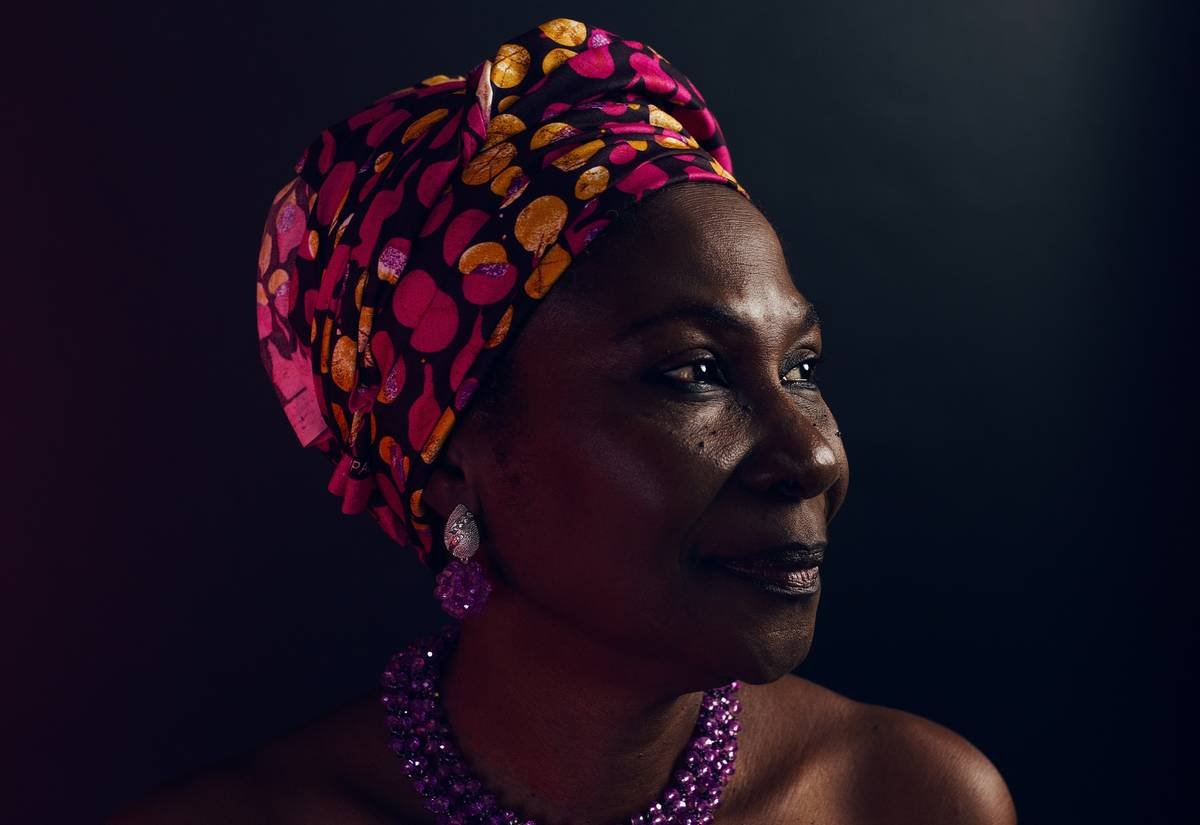
How to Choose the Right Turban for Bad Hair Days
Not all turbans are created equal. After testing 17 brands (yes, I have a drawer full of them), here’s what actually works:
What fabric should I avoid?
Optimist You: “Ooh, shiny silk!”
Grumpy You: “Ugh, fine—but only if you want it sliding off by 9 a.m.”
Silk and satin look gorgeous but offer zero grip. They’re great for nighttime hair wraps to reduce friction while sleeping (that’s their superpower), but for daytime bad hair triage? Skip it.
Bamboo-cotton blends win every time. They’re breathable, absorbent, and stretchy enough to stay put without squeezing your temples into headache territory. Brands like Silky Scents and Turban Diva use OEKO-TEX certified fabrics—meaning no skin-irritating dyes.
How snug should it be?
Your turban should feel like a gentle hug—not a vice. If you’re leaving indent marks or getting tension headaches, it’s too tight. Dermatologist Dr. Hadley King warns: “Chronic pulling can lead to traction alopecia, especially along the hairline.”
Size matters (really)
Petite frames? Go for 20-inch circumference turbans. Curly or thick hair? Opt for 22–24 inches with extra stretch. Measure your head just above the ears—if it’s over 23 inches, don’t force a “one-size” turban.
5 Pro Styling Tips That Actually Work
Forget YouTube tutorials that take 20 minutes and require three bobby pins. Here’s how to throw on a turban in under 60 seconds:
- Dampen roots slightly. Spritz with water or a light leave-in conditioner. Dry hair = static + flyaways.
- Gather hair into a loose low puff at the nape. Don’t tie it—just hold it there.
- Place the turban seam at the back, centering the fold across your forehead.
- Wrap sides toward the back, crossing once and tucking ends under the puff.
- Fluff the front crown gently with fingertips for volume—not flatness.
Terrible tip disclaimer: “Just twist it like a headband!” Nope. That stretches the fabric unevenly and creates lopsided pressure. Also, never sleep in a daytime turban—it traps moisture and breeds bacteria.
Real-Life Turban Win: From Frizz to Finesse
Last winter, I had back-to-back client calls after a humid NYC weekend. My 3B curls were puffed into a mushroom cloud. Instead of cancelling, I grabbed my go-to charcoal bamboo turban.
I followed the 5-step method above—and got compliments on my “effortlessly chic look.” One client even asked where I bought it! Total styling time: 47 seconds. Bonus: my hair stayed protected during a windy subway ride, and I avoided heat damage from a last-minute blowout.
According to Google Trends, searches for “turban for bad hair days” surged 180% between January and March 2023—peak winter frizz season. People aren’t just using turbans; they’re flaunting them as intentional style, not damage control.
Turban FAQs Answered
Can I wear a turban if I have thinning hair?
Yes—but choose seamless, soft-knit styles without interior seams that might snag delicate strands. Avoid elastic bands; opt for wrap-and-tuck designs.
How often should I wash my turban?
After 2–3 wears, or immediately if you’ve sweated heavily. Hand-wash in cold water with sulfate-free detergent to preserve elasticity.
Are turbans cultural appropriation?
Great question. Turbans hold deep religious and cultural significance in Sikh, Muslim, and African traditions. The key is intent and context. Using a turban solely as a fashion accessory without acknowledgment can be insensitive. But many modern brands (like Turbanique) are founded by South Asian or Black creators who design them as inclusive hair solutions—honoring heritage while serving universal needs.
Can men use turbans for bad hair days?
Absolutely. Turbans work for all genders and hair types—from locs to buzz cuts. Male influencers like @NaturalGrooming regularly feature cotton wraps for post-workout hair management.
Conclusion
A turban for bad hair days isn’t a cop-out—it’s a clever, kind, and surprisingly chic strategy that protects your hair while buying you time. With the right fabric, fit, and 60-second technique, you can transform a frizz emergency into a polished look that turns heads (for the right reasons).
So next time your hair rebels, skip the panic. Reach for a breathable, properly fitted turban—and reclaim your confidence, one wrap at a time.
Like a Tamagotchi, your hair needs daily care… but sometimes, it just needs a little cover-up love.
Frayed ends weep,
Turban wraps them soft and neat—
Bad hair day? Defeated.