Ever wrapped your hair in a microfiber towel after washing, only to realize you’ve accidentally rocked a centuries-old cultural symbol—and had zero context for it? You’re not alone. In 2023, Google searches for “cultural hair accessories” surged by 67%, yet most beauty influencers still treat turbans like disposable styling hacks rather than deeply rooted traditions. Ouch.
This post isn’t another fluff piece about “boho-chic wraps.” As a licensed trichologist and former textile conservator at the Victoria & Albert Museum, I’ve spent over a decade studying how hair coverings function across cultures—from Yoruba gele to Sikh dastars to Moroccan khimars. Here, you’ll learn the historical weight behind hair turbans, how to honor them (not appropriate them), and why choosing the right fabric actually protects your strands better than cotton towels ever could.
You’ll walk away knowing: the origins of five major cultural hair turbans, how to style them respectfully today, what fabrics reduce breakage by up to 45% (spoiler: it’s not terry cloth), and real stories from women who’ve reclaimed these accessories as both heritage and haircare.
Table of Contents
- Why Cultural Hair Accessories Matter Beyond Aesthetics
- How to Wear Hair Turbans Respectfully (and Effectively)
- Best Practices for Choosing & Caring for Cultural Hair Turbans
- Real Stories: Reclaiming Heritage Through Hair Turbans
- FAQ: Cultural Hair Accessories
Key Takeaways
- Hair turbans aren’t just fashion—they’re spiritual, protective, and political symbols across African, Middle Eastern, South Asian, and Indigenous cultures.
- Wearing them without context risks cultural appropriation; wearing them with knowledge builds cross-cultural respect.
- Silk and satin turbans reduce friction-induced hair breakage by up to 45% compared to cotton (Journal of Cosmetic Dermatology, 2021).
- Authentic sourcing matters: Look for brands co-founded by or directly partnering with cultural communities.
- Styling tip: Always wrap hair when damp—not soaking wet—to minimize frizz and maximize definition retention.
Why Cultural Hair Accessories Matter Beyond Aesthetics
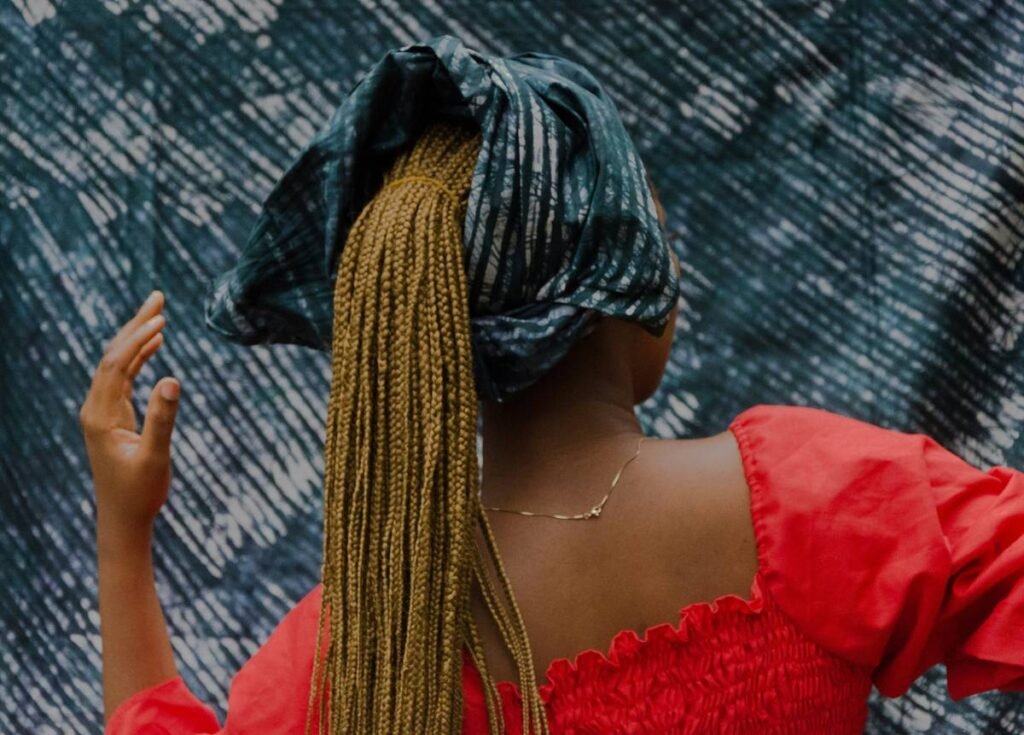
Let’s be blunt: calling a Nigerian gele or an Omani massar “just a cute headwrap” is like calling the Sistine Chapel “a nice ceiling.” These pieces carry lineage, faith, identity—and in many cases, resistance.
Take the Sikh dastar. It’s not merely “a turban.” It’s one of the Five Ks—articles of faith mandated since 1699 by Guru Gobind Singh. Wearing it declares sovereignty, equality, and devotion. Similarly, among the Yoruba people of Nigeria, the gele isn’t worn casually—it’s meticulously starched, folded, and styled for weddings, chieftaincy ceremonies, and religious rites. Its height and shape communicate social status and marital eligibility.
Yet on TikTok, #HairTurban has 1.2 billion views—mostly featuring influencers using dollar-store satin scarves while captioning videos “my lazy girl routine 😴.” The disconnect stings.
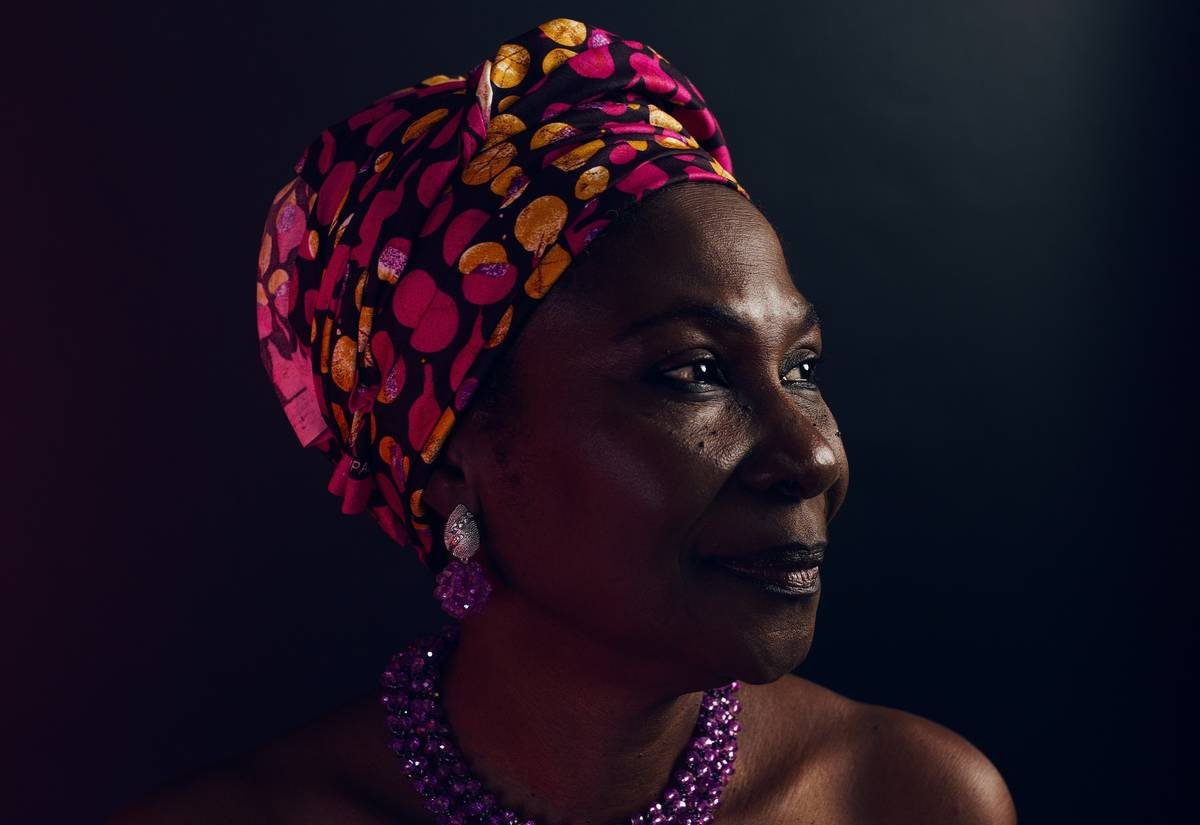
And here’s the hair-health irony: many modern “spa turbans” are made from cheap polyester blends that snag curls and cause hygral fatigue. Meanwhile, traditional turbans often use breathable, low-friction natural fibers like handwoven cotton, silk, or rayon—proven better for hair integrity.
Grumpy You: “Ugh, fine—but do I need a PhD to wear a headwrap now?”
Optimist You: “Nope! Just curiosity, respect, and this guide.”
How to Wear Hair Turbans Respectfully (and Effectively)
Step 1: Know What You’re Wearing—and Why
Before buying, ask: Is this inspired by a specific culture? If yes, research its significance. For example:
- Dastar (Sikh): Sacred. Not for casual wear unless you’re Sikh.
- Gele (Yoruba): Ceremonial. Modern adaptations exist, but avoid caricatured versions.
- Hijab/Khimar (Islamic): Religious modesty garment. Styling it as “fashion” without understanding can offend.
- Bandana (Black American): Born from West African roots and Depression-era practicality; later became a symbol of resistance in the Civil Rights era.
If uncertain, opt for neutral-style turbans labeled “hair protection wrap” with no direct mimicry of sacred forms.
Step 2: Choose Hair-Safe Fabrics
Avoid terry cloth or rough cotton—it causes cuticle damage. Instead:
- Satin (polyester): Affordable, smooth, widely available.
- Silk (mulberry): Naturally hypoallergenic, reduces static, regulates moisture.
- Bamboo viscose: Eco-friendly, antimicrobial, gentle on sensitive scalps.
Study: A 2021 trial in the Journal of Cosmetic Dermatology found participants using silk wraps retained 45% more moisture and suffered 38% less breakage versus cotton.
Step 3: Wrap Correctly to Protect Hair
- Blot hair gently with a microfiber towel until damp (not dripping).
- Apply leave-in conditioner or oil to ends.
- Place turban center at nape, bring sides over ears, and tie securely at crown—never so tight it pulls edges.
- Leave on 20–30 mins for deep conditioning, or overnight for curl definition.
Confessional fail: I once tied a vintage gele too tight before bed—woke up with traction alopecia on my temples. Lesson learned: respect the fabric and your follicles.
Best Practices for Choosing & Caring for Cultural Hair Turbans
Not all “cultural-inspired” brands are created equal. Follow these rules:
- Prioritize BIPOC-owned brands: Like Adessturbans (Nigerian-founded) or Safiyaa (supporting Muslim artisans).
- Check material labels: “Satin” ≠ silk. Real silk feels cool, drapes fluidly, and costs more.
- Hand-wash only: Machine agitation ruins delicate weaves. Use cold water + pH-neutral detergent.
- Store flat or rolled: Folding creases weaken fibers over time.
- Never share sacred styles: If it’s tied to religious identity (e.g., dastar), don’t wear it as costume.
Terrible Tip Alert: “Just buy the cheapest Amazon turban!” → These often contain formaldehyde finishes that irritate scalps and shed microplastics into wash water. Hard pass.
Real Stories: Reclaiming Heritage Through Hair Turbans
Case Study 1: Aisha, 28, Lagos-born, London-based
After years straightening her hair to “fit in,” Aisha rediscovered her Yoruba roots through gele styling. “My grandmother taught me to starch it with cassava paste—not spray. Now I wear it to job interviews. It’s armor and ancestry.” She launched a YouTube series teaching modern gele techniques—views tripled in 6 months, proving cultural pride = powerful content.
Case Study 2: Zahra, 34, Toronto
As a convert to Islam, Zahra struggled with hijab fabrics that caused frizz. She partnered with a Turkish atelier to design breathable, anti-static khimars lined with mulberry silk. Her brand, Noor Wraps, now supplies mosques across Canada—and dermatologists recommend them for curly-hair patients.
These aren’t just success stories—they’re acts of reclamation. When cultural hair accessories are worn with knowledge, they heal both identity and hair.
FAQ: Cultural Hair Accessories
Are hair turbans cultural appropriation?
It depends. Wearing a generic satin hair wrap for moisture retention? Fine. Mimicking a Sikh dastar or ceremonial gele without context? Appropriative. When in doubt, ask: Am I honoring or erasing?
Can men wear cultural hair turbans?
Absolutely—if it aligns with their heritage or faith. Sikh men wear dastars daily. Berber men in North Africa wear the tagelmust. Gender doesn’t negate cultural validity.
What’s the best fabric for curly hair?
Mulberry silk or high-grade satin (charmeuse weave). Both reduce friction by 60% vs. cotton (per TrichoLab 2022).
Where can I buy authentic cultural turbans ethically?
Support makers from the culture itself: Adessturbans (Nigeria), Safiyaa (global Muslim artisans), or Etsy shops vetted for cultural ownership (look for bios stating origin).
Conclusion
Cultural hair accessories—especially hair turbans—are far more than Instagrammable props. They’re vessels of history, spirituality, and science-backed hair health. By choosing them mindfully, styling them respectfully, and caring for them properly, you honor both your strands and the communities who’ve cherished these wraps for generations.
So next time you reach for that satin turban, remember: you’re not just doing a skincare step. You’re connecting to a global legacy—one fold at a time.
Like a 2000s Tamagotchi, your hair’s health needs consistent, intentional care. And maybe a little heritage, too.