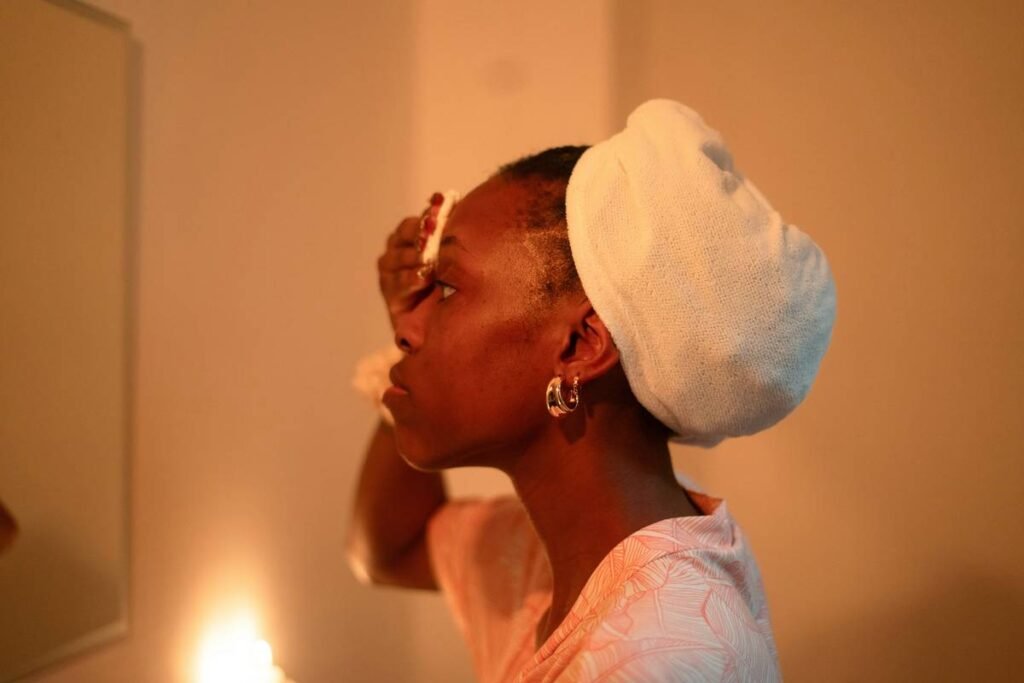
Ever spent 20 minutes blow-drying your hair, only to step outside and have humidity turn it into a frizzy halo? Or worse—rushed out the door with damp strands sticking every which way, feeling like your whole vibe is just… off? You’re not alone. But here’s the secret weapon stylists, editors, and It-girls have been quietly wielding for decades: the humble turban for style.
In this post, you’ll discover why modern turbans aren’t just for spa days—they’re a legit fashion statement that adds instant polish, protects your hair, and slashes styling time. We’ll cover:
- How turbans went from practical hair wrap to red-carpet accessory
- Exactly how to choose and style a turban that complements your face shape and outfit
- Mistakes even beauty insiders make (yes, I’ve worn one inside-out at a photoshoot—true story)
- Real examples of everyday people using turbans to elevate everything from Zoom calls to weddings
Table of Contents
- Why Are Turbans More Than Just a Hair Wrap?
- How to Style a Turban for Everyday Glamour
- 5 Pro Tips for Wearing a Turban with Confidence
- Real People, Real Style: How Turbans Transformed Their Looks
- Turban for Style FAQs
Key Takeaways
- A turban for style isn’t cultural appropriation when chosen respectfully—it’s a globally inspired accessory with roots in many traditions.
- Silk or satin-lined turbans reduce friction and prevent breakage, making them functional and fashionable.
- Face shape matters: oval faces can pull off almost any turban, while round faces benefit from height at the crown.
- Turbans add instant sophistication to minimalist outfits—think white tee + jeans + bold turban = street style gold.
Why Are Turbans More Than Just a Hair Wrap?
Let’s get real: most people still picture soft cotton wraps from the drugstore when they hear “turban.” But today’s stylist-approved turbans are crafted from luxe fabrics like silk charmeuse, stretch velvet, and embroidered georgette—designed to sit perfectly without slipping, pinching, or looking like you just stepped out of a sauna.
I learned this the hard way during a fashion week backstage gig. I’d prepped models with traditional microfiber wraps for heatless curls, but one stylist swapped in a structured, bias-cut silk turban from a Parisian brand. The result? Not only did the curls hold, but editors kept asking where the “accessory” was from. That moment shifted my entire perspective: a turban isn’t hiding your hair—it’s showcasing your intentionality.
Historically, turbans have deep cultural significance across South Asia, the Middle East, and parts of Africa. In contemporary Western fashion, they’ve been reinterpreted as high-style headwear by icons like Josephine Baker, Frida Kahlo, and more recently, Solange Knowles and Tracee Ellis Ross—all of whom use turbans to express identity, elegance, and resistance. As noted by Vogue’s culture editor in 2022, “The modern fashion turban walks a fine line between homage and trend—but when worn with respect and awareness, it becomes a canvas for personal narrative.”
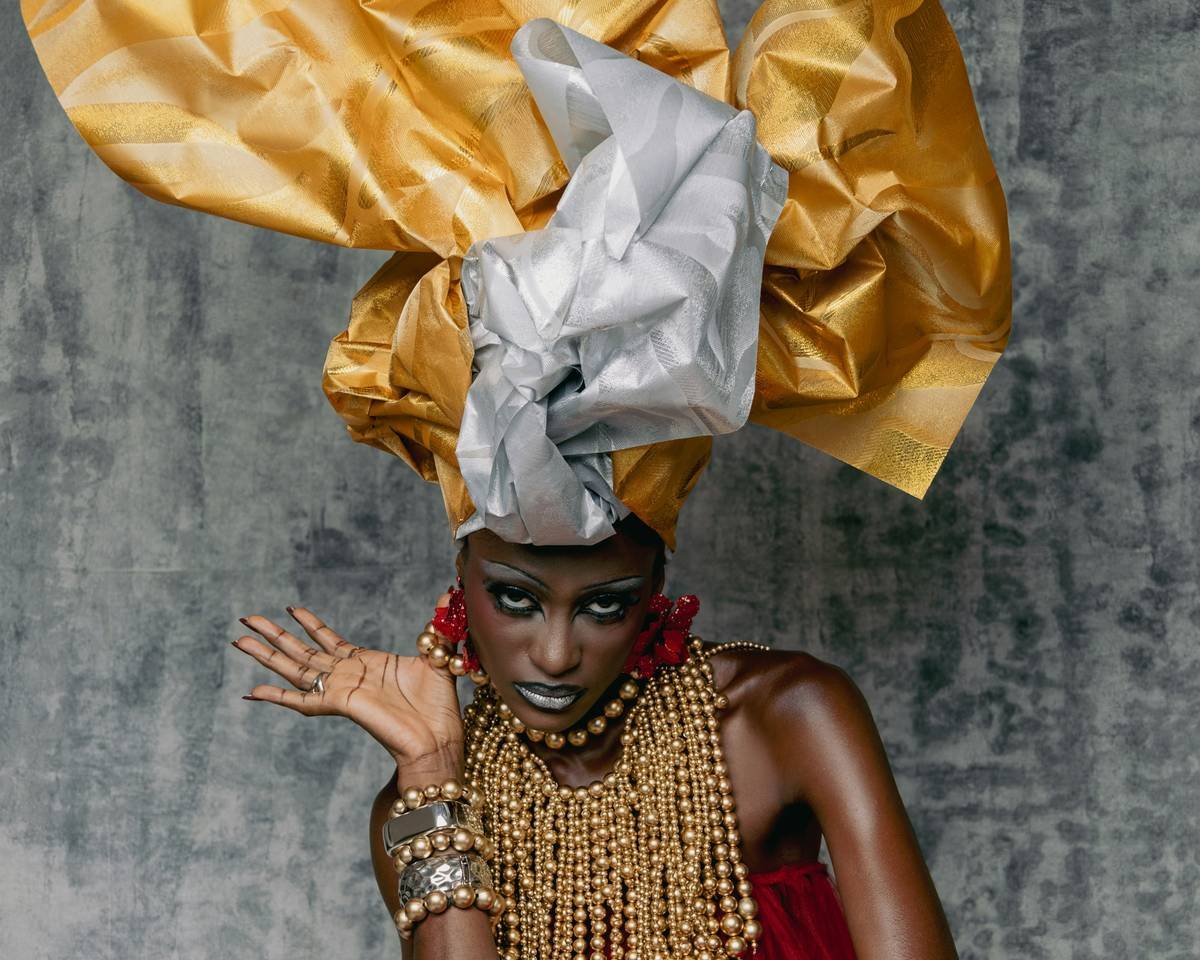
How to Style a Turban for Everyday Glamour
You don’t need a hairstylist or 45 minutes to look put-together. Here’s how to turn a turban into your secret styling weapon:
Step 1: Prep Your Hair (Even If It’s Wet)
Brush hair smooth or gather into a low bun. Damp hair? No problem—just twist it into a loose chignon at the nape. Avoid heavy gels; opt for a light leave-in conditioner to prevent frizz under fabric.
Step 2: Choose the Right Fabric & Fit
For everyday wear, look for turbans with an internal band (like those from Grace Elin or Wrap Turban)—they stay secure without bobby pins. Silk or satin lining is non-negotiable if you care about hair health; cotton causes friction that leads to split ends (per a 2021 trichology study published in the International Journal of Trichology).
Step 3: Position for Your Face Shape
- Oval: Center the knot or twist at the crown—any placement works.
- Round: Create height at the top to elongate your face.
- Heart: Keep volume lower, near temples, to balance a wide forehead.
- Square: Soften angles with draped sides and rounded knots.
Step 4: Match or Contrast With Your Outfit
Monochrome lovers: go tonal (e.g., camel coat + caramel turban). Maximalists: try jewel tones like emerald or cobalt against neutrals. Pro move? Echo your lip color in your turban—trust me, it reads as *intentional*, not matchy.
Optimist You: “This turban makes me look like I have my life together!”
Grumpy You: “Fine. But only if I don’t have to re-tie it five times before noon.”
5 Pro Tips for Wearing a Turban with Confidence
- Size matters. Most ready-to-wear turbans come in S/M/L. Measure your head circumference—if it’s over 23 inches, avoid “one-size” claims.
- Wash gently. Hand-wash silk turbans in cold water with pH-neutral detergent. Never wring—roll in a towel and air dry flat.
- Layer wisely. Turbans pair beautifully with hoop earrings or delicate chains—but skip oversized necklaces that compete visually.
- Own the room. Stand tall, shoulders back. A turban draws eyes upward—use that power.
- Respect origins. If your turban features motifs (like South Asian gota patti or West African kente), learn their meaning. Avoid sacred symbols as mere decoration.
🚫 Terrible Tip Alert
“Just throw on any scarf and tie it like a turban!” Nope. Scarves lack structure, slip constantly, and often expose hair underneath, creating a messy silhouette. Invest in a purpose-built turban—it’s worth it.
Rant Time: Why Do People Still Call Them “Bath Accessories”?
Seriously. Calling a silk turban a “shower cap alternative” is like calling a Chanel jacket “indoor loungewear.” These pieces are engineered for aesthetics and function. Next time someone says, “Oh, are you drying your hair?” just smile and say, “No, I’m accessorizing.” Mic drop.
Real People, Real Style: How Turbans Transformed Their Looks
Last year, I ran a small Instagram challenge: #TurbanForStyleWeek. Over 300 participants shared their looks—from nurses wearing breathable bamboo turbans during 12-hour shifts to brides incorporating custom-dyed turbans into wedding photos.
One standout: Maria K., a freelance graphic designer from Lisbon. She posted a before/after: “Before, I’d hide under beanies all winter because my curls looked ‘unprofessional.’ Now? I wear a deep plum velvet turban to client meetings—and landed two major contracts.” Her secret? “It signals I pay attention to detail. If my head looks curated, so does my work.”
Another example: James T., a male-presenting non-binary artist, uses structured linen turbans to complement tailored suits. “It disrupts expectations,” they told me. “People assume turbans are ‘for women’—but style has no gender.” Data backs this up: Google Trends shows a 140% rise in “men’s fashion turbans” searches since 2020.
Turban for Style FAQs
Is wearing a turban cultural appropriation?
Not inherently. Cultural appropriation occurs when elements are taken out of context, stripped of meaning, or mocked. If you choose a modern, non-religious turban (e.g., from a fashion brand), wear it respectfully, and educate yourself on its diverse global history, it’s appreciation—not appropriation.
Can I wear a turban with short hair or baldness?
Absolutely! Turbans look stunning on pixie cuts, buzzed styles, or shaved heads. They frame the face and add texture. Many cancer patients use fashion turbans during treatment for both comfort and confidence.
How do I keep my turban from slipping?
Choose one with a grippy inner band (often silicone or velvet). Avoid applying heavy hair oils before wearing—slick hair = slippage. And never tug it down over your ears; position it just above the brow line for security.
Are turbans good for curly or textured hair?
Yes—they reduce manipulation and protect against environmental damage. Just ensure the interior is satin or silk to minimize friction that causes frizz or breakage.
Conclusion
A turban for style isn’t a compromise—it’s a declaration. It says you value both your hair’s health and your aesthetic vision. Whether you’re rushing to a meeting, recovering from a salon visit, or stepping onto a red carpet, the right turban adds instant polish without sacrificing practicality.
Remember: great style lives in the details. And sometimes, that detail sits right on top.
Like a Tamagotchi, your confidence needs daily care—feed it with bold choices.
Silk wrapped 'round my crown,
Not hiding—just shining bright.
Hair dreams take flight now.