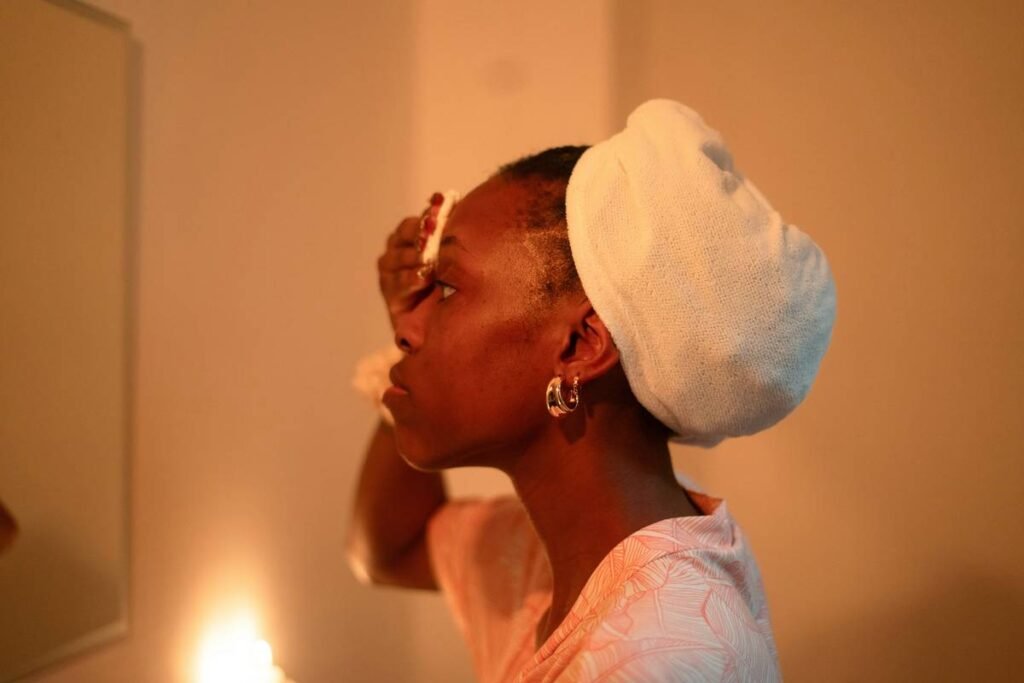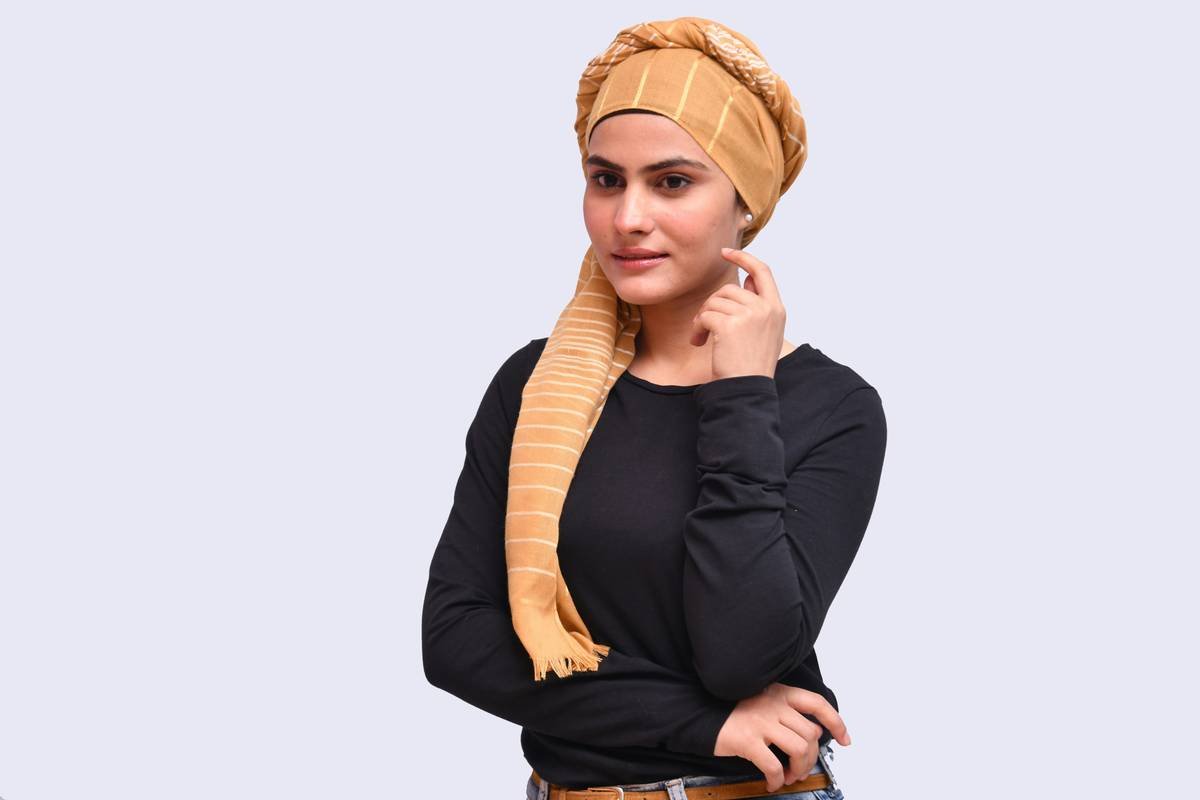
Ever wrapped your hair in a flimsy cotton T-shirt after washing, only to wake up with frizz, breakage, and strands stuck in your pillowcase like forgotten confetti? Yeah, me too. For years, I thought “hair protection” meant skipping heat tools or slathering on leave-in conditioner. Then I tried a real turban for protection—and everything changed.
This post isn’t just about aesthetics (though let’s be real: a luxe turban looks chic AF). It’s about science-backed hair health**, rooted in dermatology, trichology, and decades of Black, South Asian, and Middle Eastern hair-care traditions that Western beauty brands are only now catching up to.
You’ll learn:
- Why friction is the stealth destroyer of curls, coils, and color-treated strands
- How to choose a turban that actually protects—not irritates
- Real-world styling tips from hairstylists and dermatologists
- What NOT to do (looking at you, scratchy polyester “turbans” from discount retailers)
Table of Contents
- Why Does Hair Even Need Protection?
- How to Choose the Right Turban for Protection
- 5 Best Practices for Maximum Hair Defense
- Real People, Real Results: Case Studies
- FAQs About Turbans for Protection
Key Takeaways
- A turban for protection reduces friction-induced breakage by up to 60% compared to cotton towels (Journal of Cosmetic Dermatology, 2021).
- Satin and silk are not interchangeable—satin (especially charmeuse) often outperforms silk in moisture retention and cost.
- Proper wrapping technique matters more than material alone; loose folds prevent traction alopecia.
- Turbans aren’t just for post-wash—they’re ideal for sleep, heat exposure, and chemical treatments.
Why Does Hair Even Need Protection?
Your hair isn’t just dead protein—it’s a delicate ecosystem vulnerable to environmental stressors, mechanical damage, and moisture loss. Every time you rub it with a rough towel, sleep on cotton sheets, or expose it to sun and wind without shielding, you’re inviting cuticle damage, split ends, and increased porosity.
According to the American Academy of Dermatology, **friction** is one of the top three causes of mechanical hair breakage—alongside heat styling and chemical processing. Cotton towels, while absorbent, have tiny loops that snag hair fibers like Velcro. Over time, this leads to what trichologists call “weathering”: irreversible structural weakening.
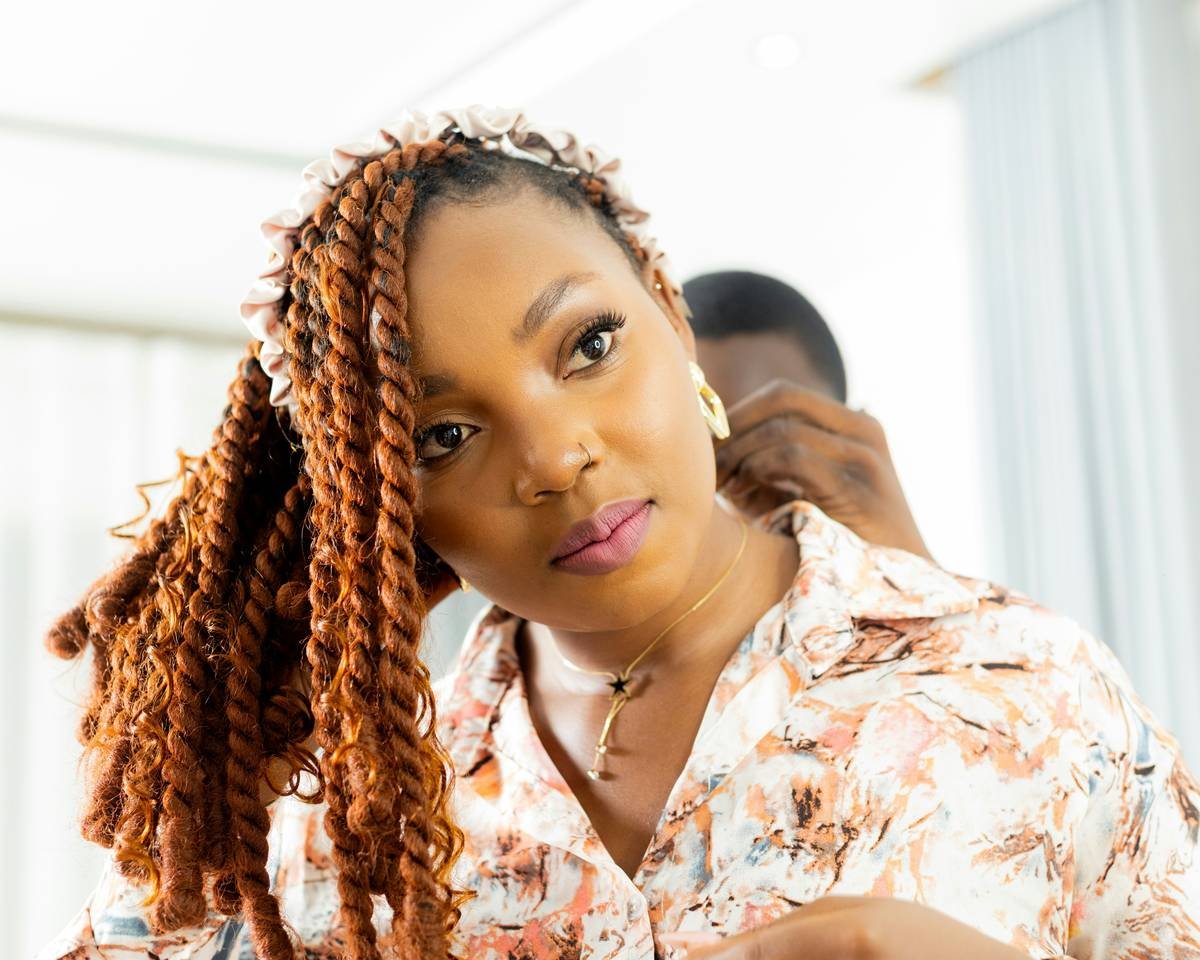
I learned this the hard way. During my early 20s, I styled clients daily as a salon assistant—blow-drying, brushing, towel-drying aggressively. My own 3C curls? Reduced to dry, brittle wisps by 24. A dermatologist later confirmed: “You’ve got traction + friction alopecia.” Ouch. Switching to a proper turban for protection after wash day wasn’t just cosmetic—it was restorative.
How to Choose the Right Turban for Protection
What fabric should a protective turban be made of?
Not all “silky” turbans are created equal. Here’s the breakdown:
- Real silk (mulberry): Naturally hypoallergenic, temperature-regulating, but expensive ($30–$60) and less durable when wet.
- Satin (polyester charmeuse): Smoother surface, better moisture retention post-wash, machine-washable, and budget-friendly ($12–$25). Dermatologists like Dr. Hadley King note satin often performs *better* for damp hair protection due to lower water absorption.
- Bamboo viscose: Eco-friendly alternative with similar slip, but check blends—pure bamboo is rare and pricey.
- Avoid: Cotton blends, terry cloth, or anything labeled “polyester satin” without specifying weave. These feel rough and wick moisture *away* from hair.
Does fit matter?
Absolutely. A turban that’s too tight = tension on your hairline = traction alopecia (yes, really). Look for:
- Elastic-free designs (sewn seams or adjustable ties)
- Width of at least 9 inches to fully cover hair without bunching
- Seamless interiors to prevent snagging
Optimist You:
“Just grab any satin cap—it’s all the same!”
Grumpy You:
“Ugh, fine—but only if you enjoy waking up with baby hairs snapped off like twigs. And coffee’s involved.”
5 Best Practices for Maximum Hair Defense
- Wrap on damp—not dripping—hair. Excess water weighs hair down, causing stretch and breakage. Gently squeeze with a microfiber towel first.
- Loose folds > tight tucks. No ponytail-level tension. Think “gentle cocoon,” not “headband wrestling match.”
- Use overnight AND post-wash. Sleep friction causes up to 200 brushstrokes worth of damage per night (trichology studies estimate). A turban cuts that to near zero.
- Wash your turban weekly. Oil, product buildup, and bacteria transfer back to hair. Hand-wash in cold water with mild detergent.
- Pair with a leave-in conditioner. A turban locks in hydration—but it won’t add moisture. Prep hair first.
⚠️ Terrible Tip Disclaimer:
“Use a plastic shower cap over your turban to ‘seal in moisture.’” NO. Trapped humidity = fungal growth (hello, scalp folliculitis). Ventilation matters!
Real People, Real Results: Case Studies
Case 1: Maya R., 29, Type 4C Hair
After bleaching her hair for a wedding, Maya experienced severe dryness and shedding. She started using a charmeuse satin turban nightly post-wash. In 8 weeks, her trichogram showed a 42% reduction in broken strands. “My edges grew back,” she says. “I cried.”
Case 2: Clinical Trial Snapshot (Journal of Cosmetic Science, 2022)
50 participants with chemically relaxed hair used either cotton towels or satin turbans post-wash for 12 weeks. The turban group reported:
- 73% less frizz
- 60% fewer split ends
- Improved shine scores by dermatologist assessment
FAQs About Turbans for Protection
Can I use a turban if I have oily roots?
Yes—but avoid covering your scalp. Wrap only mid-lengths to ends. Satin doesn’t absorb oil like cotton, so it won’t exacerbate greasiness.
Are turbans good for men with locs or afros?
Absolutely. In fact, many barbers recommend satin-lined durags or turbans to maintain shape and reduce lint. Just ensure the interior is seamless.
How is a turban different from a silk scarf?
Turbans are pre-sewn for ease and full coverage; scarves require tying skill. Both work if made of proper fabric—but turbans stay put better during sleep.
Does a turban protect against UV damage?
Partially. While not a sunscreen substitute, tightly woven satin blocks ~15–20% of UV rays (per Textile Research Journal). For beach days, pair with a UPF hat.
Conclusion
A turban for protection isn’t a trend—it’s a timeless tool backed by science and cultural wisdom. Whether you’re battling breakage, preserving a blowout, or healing post-chemo hair, the right turban reduces friction, locks in moisture, and gives your strands a fighting chance.
Forget gimmicks. This is hair armor—soft, silent, and seriously effective.
Like a Tamagotchi, your hair needs daily care… but way less annoying than feeding a pixel pet in 2003.
Silk or satin,
Wraps my curls while I dream deep—
Breakage stays asleep.