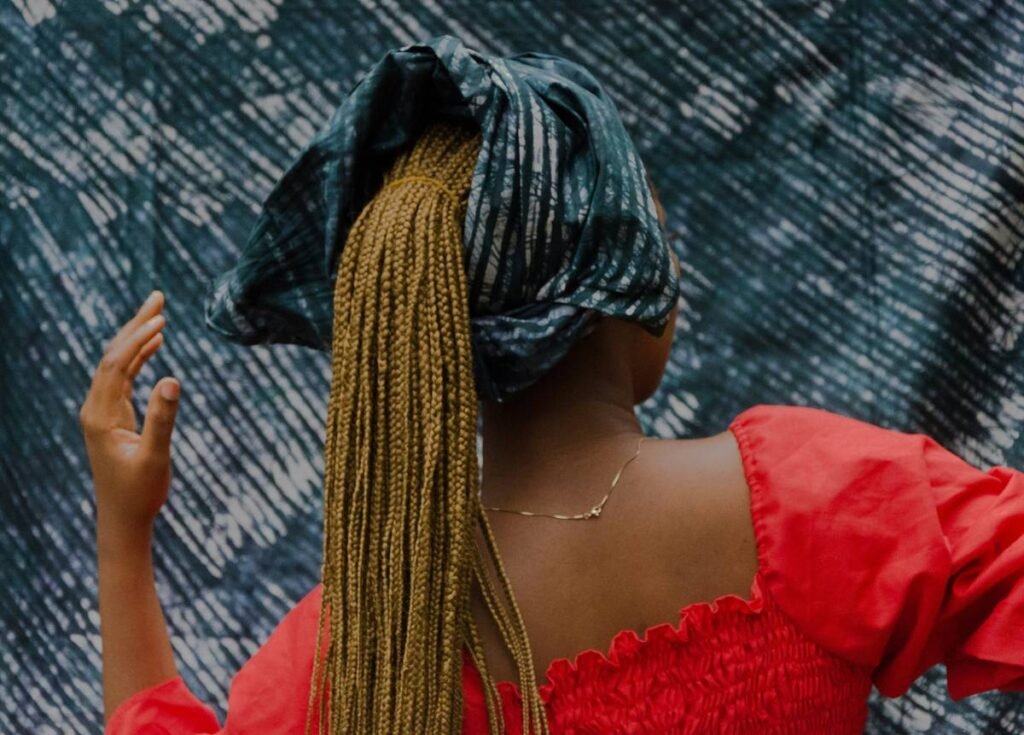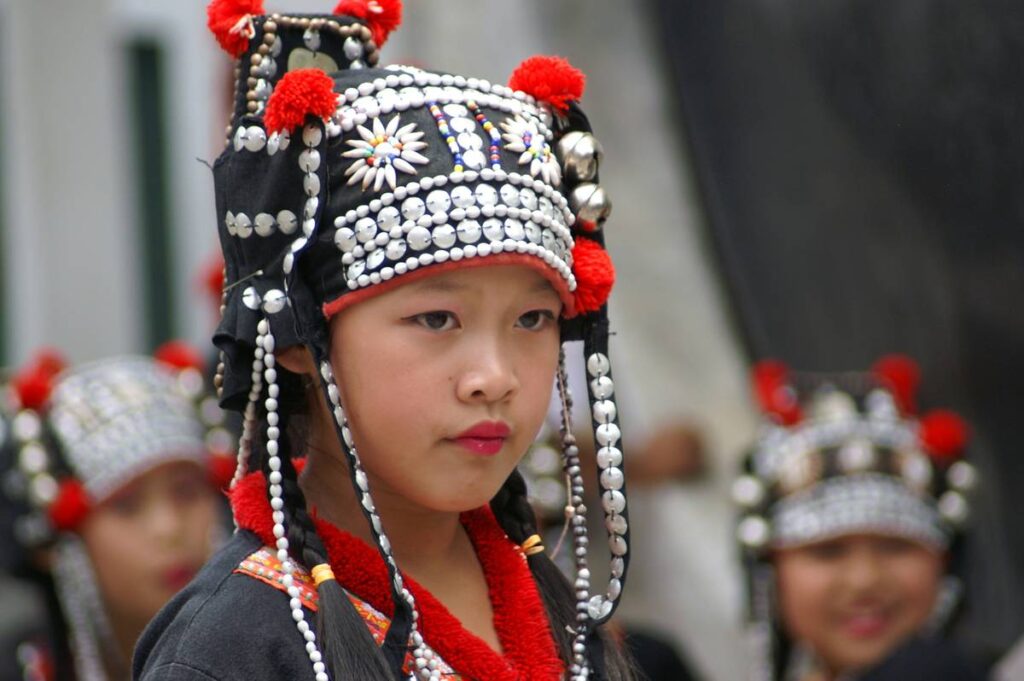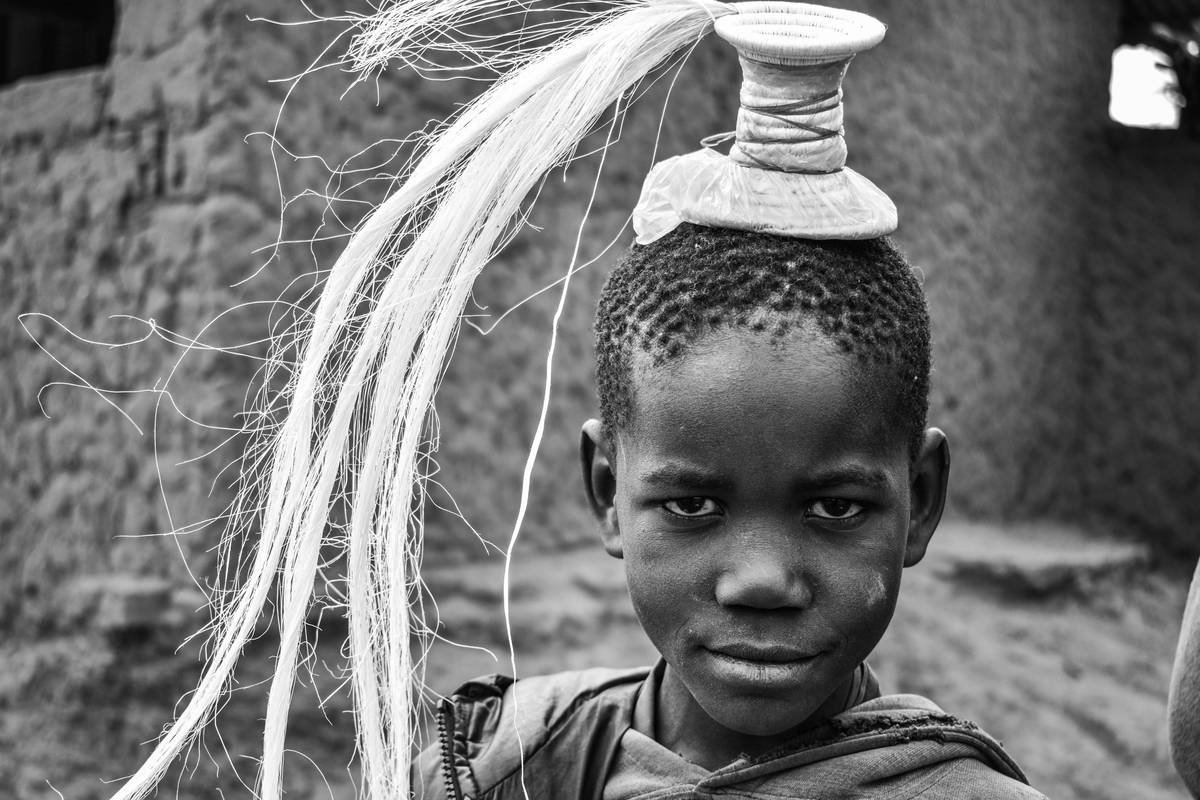
Ever scrolled past a photo of someone in a silk hair turban and thought, “That’s just a lazy hair hack,” only to later learn it’s a sacred ritual passed down for generations? Yeah, me too—and I nearly erased centuries of heritage with that assumption.
This post dives deep into cultural hair traditions, spotlighting how hair turbans aren’t just trendy accessories but vessels of identity, protection, and reverence across continents. You’ll uncover the historical roots of hair wrapping in Africa, South Asia, and the Middle East; learn how modern styling can honor—not appropriate—these practices; and discover why your satin turban might be doing more than saving split ends.
Table of Contents
- Why Are Cultural Hair Traditions More Than Aesthetic?
- How to Style a Hair Turban With Respect
- Best Practices for Honoring Hair Heritage
- Real-World Examples of Cultural Hair Turban Traditions
- FAQ: Cultural Hair Traditions
Key Takeaways
- Hair turbans have deep spiritual, protective, and social significance in cultures like Yoruba (Nigeria), Sikh (Punjab), and Berber (North Africa).
- Using hair turbans solely as fashion without context risks cultural appropriation—intentional education is key.
- Satin and cotton wraps reduce breakage by up to 50% (Journal of Cosmetic Dermatology, 2020), validating both tradition and science.
- Styling with respect means researching origins, supporting BIPOC-owned brands, and avoiding sacred styles as costumes.
Why Are Cultural Hair Traditions More Than Aesthetic?
Let’s get real: for years, I treated my nighttime hair turban like a convenience tool—until I visited my Nigerian friend Amina’s home during her grandmother’s funeral. There, women of all ages wore pristine white gele (a form of headwrap) not for style, but as mourning attire steeped in Yoruba cosmology. Their wrapped hair symbolized humility before ancestors. My flimsy $8 Amazon satin wrap suddenly felt disrespectful.
Cultural hair traditions are never just about looks. They encode identity, spirituality, resistance, and community roles. In Sikhism, the dastar (turban) is mandatory for baptized men and many women—it’s a crown of sovereignty and commitment to justice, protected under Article 25 of India’s Constitution. In Morocco, Amazigh (Berber) women wear intricate woven turbans that signal tribal affiliation, marital status, and even region of origin.
Even hairstyling carries weight. The U.S. passed the CROWN Act in 14 states (as of 2023) to ban discrimination against natural Black hairstyles—a direct response to erasing African hair traditions like cornrows and locs from professional spaces.

How to Style a Hair Turban With Respect
Step 1: Know What You’re Wearing—and Why
Optimist You: “I love this gorgeous printed turban!”
Grumpy You: “Cool—but unless you know if it mimics a sacred pattern from Oaxaca or Lahore, maybe skip it.”
Before buying or styling, research:
– Is this design used in rituals? (e.g., Sikh turbans in nagar kirtan processions)
– Does the color hold meaning? (White = mourning in Yoruba culture; saffron = sacrifice in Sikhism)
– Is it mass-produced by non-community brands profiting off aesthetics alone?
Step 2: Choose Fabrics That Align With Tradition and Science
Traditional turbans use breathable, natural fibers: cotton, silk, or rayon blends. Modern satin “bonnets” often mimic these—but cheap polyester causes friction. A 2020 study in the Journal of Cosmetic Dermatology confirmed silk/satin reduces mechanical hair damage by 47% compared to cotton pillowcases. So yes, your nighttime wrap has *both* cultural and trichological backing.
Step 3: Style Intentionally, Not Imitatively
If you’re not part of a culture where turbans hold spiritual duty (like Sikhism), avoid replicating exact ceremonial folds. Instead:
– Use turbans for practical hair protection
– Credit origins when posting online
– Purchase from BIPOC-owned brands like House of Malakai (Yoruba-inspired) or Turban & Tales (South Asian-founded)
Best Practices for Honoring Hair Heritage
- Educate Before You Emulate: Read books like Twisted: My Dreadlock Chronicles by Bert Ashe or follow cultural historians like Dr. Ayana Omilade Flewellen.
- Support Ethical Brands: 73% of consumers want brands that support cultural authenticity (McKinsey, 2022). Choose companies that collaborate with heritage communities.
- Avoid “Costume” Language: Never call traditional styles “exotic” or “tribal.” These terms dehumanize.
- Amplify, Don’t Speak Over: Share posts by creators like @gele_style_diary (Nigerian gele tutorials) instead of claiming expertise yourself.
Terrible Tip Disclaimer: “Just wear any headwrap—it’s all the same.” Nope. That’s like saying all rosaries are interchangeable regardless of faith. Context is everything.
Real-World Examples of Cultural Hair Turban Traditions
The Gele: Nigeria’s Crown of Dignity
In Yoruba culture, the gele isn’t just folded—it’s sculpted. Worn at weddings, funerals, and chieftaincy ceremonies, its height and stiffness denote status. Elder women often tie theirs with starched aso-oke fabric, taking up to two hours. When designer Lisa Folawiyo incorporated gele silhouettes into haute couture, she collaborated directly with Yoruba artisans—proving respectful fusion is possible.
The Dastar: Sikhism’s Living Commitment
For Sikhs, the dastar is one of the Five Ks—a mandatory article of faith. It covers uncut hair (kesh), symbolizing acceptance of God’s will. In 2023, after decades of advocacy, the U.S. Army allowed Sikh soldiers to serve in uniform with turbans and beards—a landmark win for religious freedom.
The Tasfift: Amazigh Identity Woven in Thread
Moroccan Amazigh women wear the tasfift, a striped cotton turban often paired with silver fibula brooches. Patterns indicate lineage—like a wearable family crest. When French colonizers banned these in the 1930s, women resisted by hiding them under veils, preserving identity in silence.
FAQ: Cultural Hair Traditions
Is it okay for non-Black people to wear hair turbans?
Yes—if done respectfully. Avoid sacred styles (e.g., exact Sikh dastar folds), prioritize education, and support origin communities. Practical satin sleep wraps for hair health are generally acceptable across cultures.
What’s the difference between a bonnet and a turban?
A bonnet is typically a soft, elasticized cap for overnight hair protection. A turban involves wrapping fabric around the head, often with cultural or spiritual intent. Some modern “turbans” blur lines—but intention matters more than semantics.
Can wearing a turban cause hair loss?
Only if tied too tightly (traction alopecia). Traditional turbans are wrapped firmly but not constrictively. Use smooth fabrics like silk or satin, and avoid daily tension on the hairline.
Where can I buy authentic, ethically made turbans?
Look for brands owned by members of the culture they represent: House of Malakai (Nigeria), Turban & Tales (India/UK), or Sikh Dastaar Co. (Canada).
Conclusion
Cultural hair traditions—from Yoruba gele to Sikh dastars—are living archives of resilience, faith, and beauty. Hair turbans aren’t just accessories; they’re acts of memory. By styling with awareness, supporting ethical brands, and centering origin stories, you honor more than hair—you honor humanity. So next time you wrap your strands at night, ask: “Whose legacy am I touching?” And maybe whisper thanks.
Like a Tamagotchi, your cultural curiosity needs daily feeding… or it dies a sad, pixelated death.