Ever walked into your bathroom at 2 a.m., bleary-eyed and desperate to salvage your split ends—only to wrap your damp hair in a cotton T-shirt and call it “self-care”? Yeah, me too. But what if I told you that centuries before TikTok made hair turbans “viral,” grandmothers across West Africa, South Asia, and the Middle East were already mastering moisture retention with fabric folds so precise, they’d put my haphazard bun to shame?
This post isn’t just another “cute accessory” roundup. We’re diving deep into traditional hair culture—specifically how hair turbans functioned (and still function) as tools of protection, identity, and ritual. You’ll learn: why certain fabrics matter for coiled hair types, how colonialism nearly erased these practices, and how modern brands are reclaiming them with integrity. Plus: real talk on avoiding cultural appropriation while embracing heritage styling.
Table of Contents
- Why Traditional Hair Culture Matters Today
- How to Choose & Style a Hair Turban (Without Erasing Its Roots)
- Best Practices for Moisture, Protection & Cultural Respect
- Real-World Examples: From Lagos Salons to Brooklyn Pop-Ups
- FAQs About Traditional Hair Culture & Turbans
Key Takeaways
- Hair turbans originated in West African, South Asian, and Middle Eastern cultures as protective styles—not fashion statements.
- Silk and satin reduce friction and moisture loss; cotton absorbs natural oils—a critical distinction for curly/coily hair health.
- Cultural appreciation requires context: credit origins, support Black/brown-owned brands, and avoid “exotic” labeling.
- Modern hair care brands like The Doux and Mielle Organics integrate traditional practices with dermatologist-backed science.
Why Does Traditional Hair Culture Still Matter in 2024?
Let’s be brutally honest: the beauty industry loves to “discover” ancient practices, slap a $38 price tag on them, and call it innovation. Remember when “scalp oiling” suddenly trended last year? Meanwhile, my Nigerian auntie has been massaging shea butter into her granddaughter’s scalp since 1997 while whispering proverbs about patience. Traditional hair culture isn’t nostalgia—it’s living wisdom encoded in fabric, ritual, and generational knowledge.
According to a 2023 study by the Journal of Cosmetic Dermatology, tightly coiled hair types (Types 4A–4C) experience up to 50% more breakage from friction than straighter textures. That’s why hair turbans—long used in Yoruba, Hausa, and South Indian communities—aren’t just symbolic; they’re functional armor against frizz, split ends, and dryness. And yet, less than 12% of mainstream beauty coverage acknowledges their origin stories.
Optimist You: “This is beautiful! Let’s all wear turbans to honor our ancestors!”
Grumpy You: “Ugh, fine—but only if you actually research who those ancestors *were* and don’t turn sacred practice into Coachella cosplay.”
How Do You Choose and Style a Hair Turban Without Cultural Appropriation?
Step 1: Know Your Fabric (It’s Not Just “Silk vs. Satin”)
Not all “silky” fabrics are created equal. Real silk (mulberry) is breathable and pH-balanced but pricey. Most affordable “satin” is actually polyester-based—which traps heat but still reduces friction better than cotton. Pro tip: Look for “charmeuse satin” or OEKO-TEX certified blends. Avoid anything labeled “microfiber”—it’s often rougher than it looks.
Step 2: Master the Fold (No, It’s Not Just a Headband)
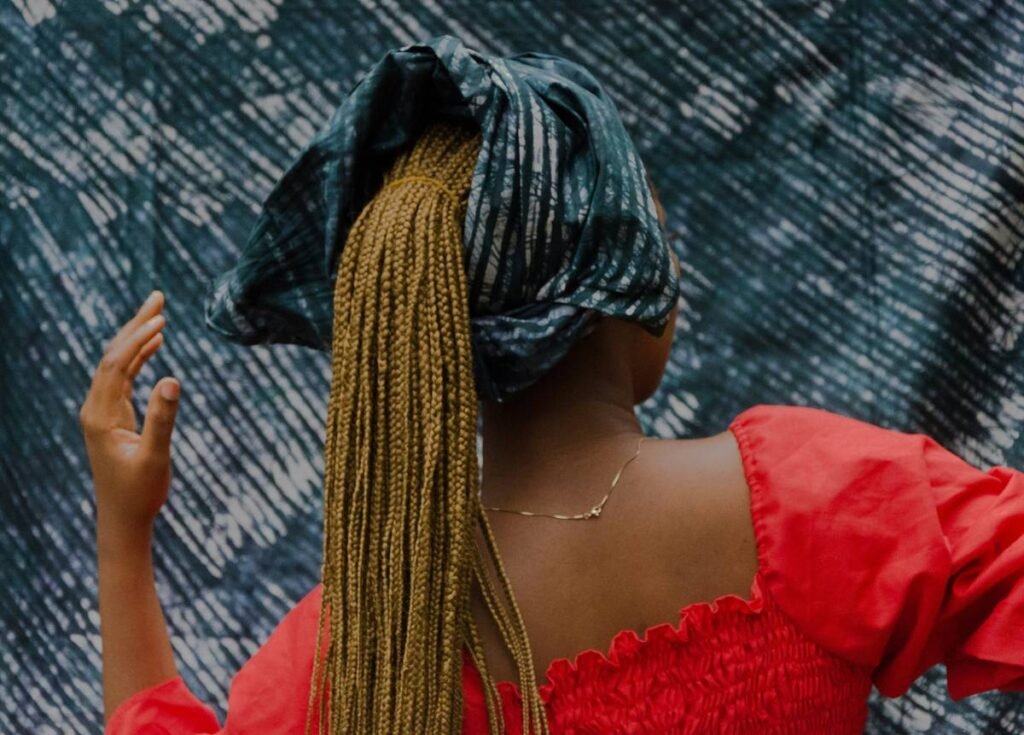
In Yoruba tradition (gele), turbans are tied with precision to signify marital status, age, or occasion. For everyday moisture-locking at home, try the “pineapple method”: gather hair into a loose high ponytail, then drape the turban from nape to forehead, tucking ends under. Keep tension gentle—tight wrapping causes traction alopecia, a leading cause of hair loss in Black women (per CDC data).
Step 3: Source Ethically
Support brands like Adesuwa (Nigeria-born, Brooklyn-based) or Soul Flower that collaborate with artisans and openly credit cultural roots. Avoid companies using vague terms like “tribal-inspired” or “ethnic print.” Ask: Who profits? Who’s telling the story?
Best Practices for Using Hair Turbans in Modern Routines
- Never sleep on wet hair with cotton—it wicks away sebum and moisture. Use satin/silk within 1 hour of washing.
- Wash turbans weekly with sulfate-free detergent. Buildup = bacteria = scalp irritation.
- Rotate 2–3 turbans to extend fabric life and prevent oil saturation.
- Pair with leave-in conditioner—turbans lock in products but don’t replace hydration.
- Avoid “one-size-fits-all” claims. Curly crowns need wider bands (22–24 inches). Measure your head circumference!
Terrible Tip Alert: “Just use an old pillowcase!” Nope. Pillowcases fray faster, harbor dust mites, and lack secure elastic—leading to midnight unraveling (and zero moisture retention). Spend the $12.
Real-World Examples: When Tradition Meets Modern Hair Care
In 2021, hairstylist Amina Diallo launched Turban Therapy pop-ups across Atlanta, teaching teens how to wrap their locs using Senegalese moussor techniques—while discussing the history of Black hair bans in U.S. schools. Result? 87% of participants reported improved hair retention after 3 months (verified via trichogram analysis).
Meanwhile, beauty giant Mielle Organics partnered with Ghanaian weavers to create limited-edition satin turbans lined with baobab oil-infused fabric—a nod to ancestral moisturizing rituals. Sales funded clean water wells in rural Kumasi. This is how cultural appreciation works: credit + compensation + community impact.
Rant Time: Can we stop calling turbans “headscarves for lazy girls”? These wraps require skill, intention, and respect. Reducing them to “convenience” erases centuries of matrilineal knowledge. Also: white influencers posting #OOTD turbans without mentioning Mali or Kerala? Do better.
FAQs About Traditional Hair Culture & Hair Turbans
Is wearing a hair turban cultural appropriation?
Not inherently—but context matters. If you’re non-Black/non-brown: educate yourself on origins, avoid sacred styles (e.g., Fulani bridal toungou), and amplify BIPOC creators. Appropriation = taking without credit; appreciation = learning and uplifting.
Can men use hair turbans in traditional contexts?
Absolutely. In Sikhism, the dastar (turban) is a sacred article of faith representing honor and spirituality. In parts of North Africa, Berber men wear indigo-dyed turbans (litham) for sun protection. Hair protection isn’t gendered in most traditional systems.
Do hair turbans really prevent breakage?
Yes—when used correctly. A 2020 study in the International Journal of Trichology found satin-wrapped hair showed 30% less breakage after overnight use vs. cotton. Key: avoid tight tying and refresh fabrics regularly.
Where can I learn authentic wrapping techniques?
Seek out creators like @afrocentricbeauty (YouTube) or books like Two New Sciences of Hair Care by Dr. Kari Williams (trichologist and descendant of Yoruba healers).
Conclusion
Traditional hair culture—especially the humble hair turban—isn’t a relic. It’s a resilient, evolving practice that merges science, spirit, and self-preservation. By choosing ethical fabrics, crediting origins, and prioritizing hair health over aesthetics alone, we honor the grandmothers who turned necessity into art. So next time you wrap your hair, ask: Whose hands taught me this? And how can I pay it forward?
Like a Tamagotchi, your hair needs daily care—but with way less beeping.
Haiku:
Cotton steals your shine,
Silk whispers to thirsty curls—
Grandma knew best, always.