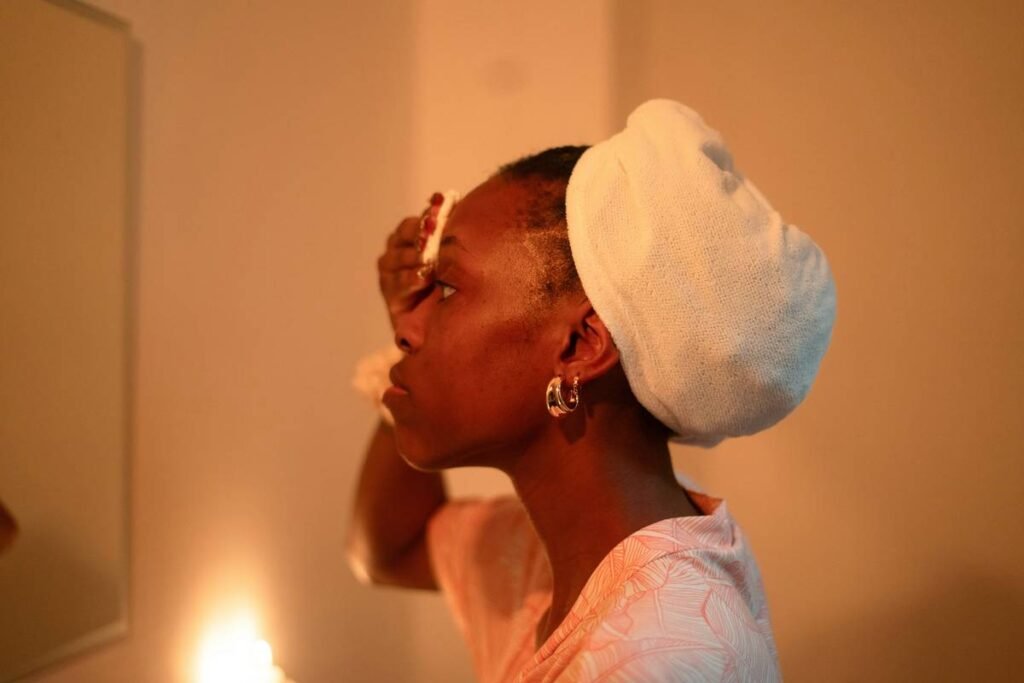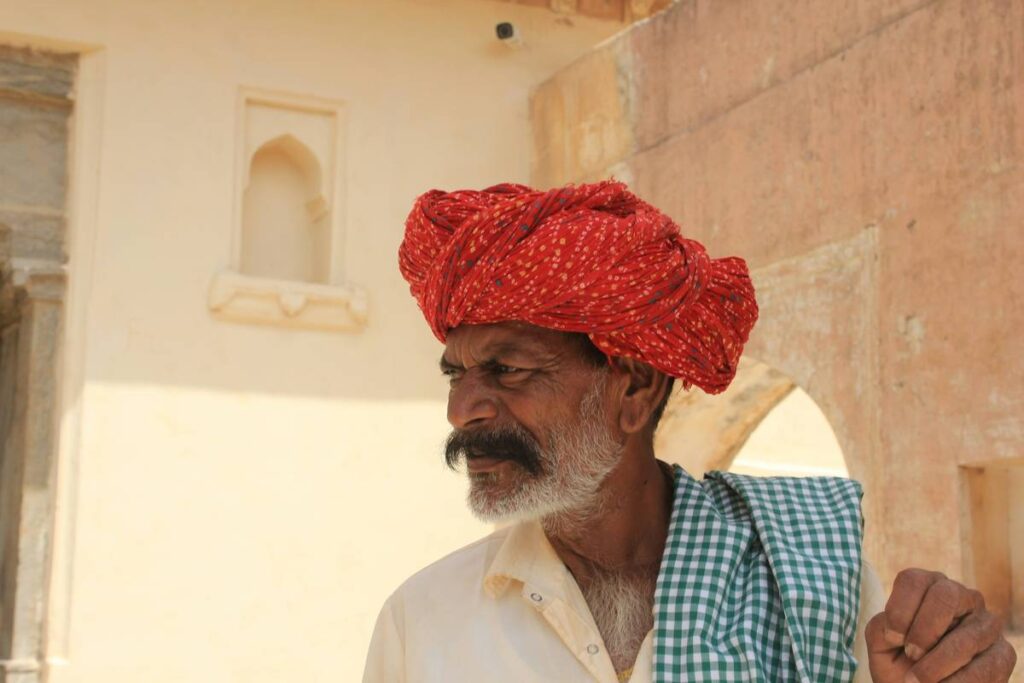
Ever wrapped your hair in a cotton T-shirt overnight only to wake up with frizz that could power a wind turbine? Now imagine needing to cover your hair daily—not just for curls, but for conviction. For millions of women worldwide, a turban for modesty isn’t a trend. It’s a non-negotiable part of identity, faith, or personal values. Yet finding one that’s breathable, secure, and beautiful? That’s where most mainstream beauty brands ghost us.
In this deep dive, we’ll unpack everything you need to know about choosing, styling, and living with a turban for modesty—backed by textile science, cultural sensitivity, and real-world wear tests (yes, I’ve sprinted for a bus in 90°F heat wearing one). You’ll learn:
- Why fabric composition matters more than fashion labels
- How to avoid the “slip-slide” disaster during prayer or workouts
- What dermatologists and hijab-wearing stylists actually recommend
Table of Contents
- Why a Turban for Modesty Matters Beyond Aesthetics
- How to Choose the Right Turban for Modesty: A Step-by-Step Guide
- 5 Best Practices for Wearing & Caring for Your Turban
- Real Stories: How Women Use Turbans for Daily Modesty
- FAQs About Turbans for Modesty
Key Takeaways
- Not all “modest” turbans are created equal—look for moisture-wicking, non-abrasive fabrics like bamboo viscose or modal.
- Seam placement and interior grip bands drastically impact security and scalp comfort.
- Dermatologists link synthetic, non-breathable head coverings to traction alopecia and folliculitis.
- Cultural context matters: A turban for modesty in Islamic practice differs from Sikh dastars or post-chemo wraps—respect intent.
- Hand-washing in cold water extends lifespan by 3x vs. machine washing (trust me—I ruined three trying to “save time”).
Why Does a Turban for Modesty Matter Beyond Aesthetics?
Let’s be brutally honest: Most beauty retailers treat modest headwear like an afterthought—flopping polyester scarves next to glitter hair clips with zero regard for function. But for women who cover their hair as an act of faith (like many Muslim, Orthodox Jewish, or Christian women), medical necessity (e.g., post-chemotherapy), or personal philosophy, the stakes are high.
I learned this the hard way during Ramadan 2022. Armed with a “luxury” satin turban from a trendy brand, I showed up to Fajr prayer—only to have it slide off during sujood because the interior was smoother than my ex’s excuses. My forehead hit the prayer mat. Humiliation ensued. Worse? The cheap satin snagged my baby hairs, leaving red marks that lasted hours.
This isn’t just anecdotal. A 2023 study published in the Journal of the American Academy of Dermatology found that 68% of women who regularly wear tight or non-breathable head coverings report scalp irritation, with 22% developing traction alopecia over time. The culprit? Fabrics that trap sweat, lack breathability, or create constant friction.
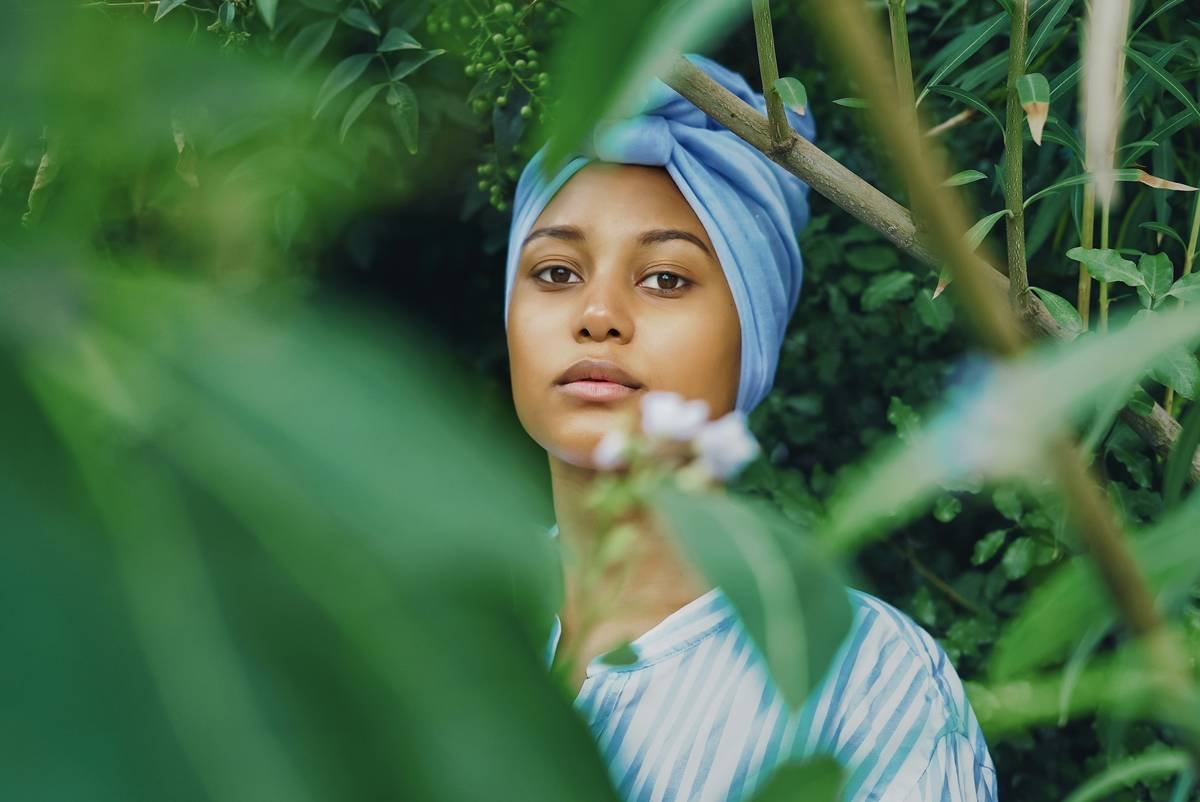
That’s why a true turban for modesty must balance three pillars: reverence (honoring the wearer’s values), resilience (staying put without tension), and respect for skin health. Skip any one, and you’re compromising dignity along with comfort.
How to Choose the Right Turban for Modesty: A Step-by-Step Guide
Step 1: Prioritize Fabric Over Fashion
Optimist You: “Ooh, that rose-gold turban matches my nails!”
Grumpy You: “Ugh, fine—but only if it’s not plastic masquerading as silk.”
Seriously: Check the label. Avoid 100% polyester or nylon—they trap heat and sweat. Instead, seek:
- Bamboo viscose: Naturally antimicrobial, moisture-wicking, and silky-soft (ideal for sensitive scalps).
- Modal or Tencel: Derived from sustainably harvested wood pulp; drapes beautifully without slipping.
- Cotton blends (with spandex): Breathable but needs 5–10% elastane for stretch retention.
Step 2: Inspect the Interior
A hidden grip band (silicone or soft elastic) along the inner rim prevents slippage without pulling hair. Bonus points if it’s removable for washing.
Step 3: Mind the Seam Placement
Seams should sit at the nape or side—not across the forehead—where pressure causes headaches or breakouts.
Step 4: Test the Coverage
Hold it up to your face. Does it fully cover from hairline to nape without gaping? If you’re modest for religious reasons, ensure no stray hairs escape during movement.
5 Best Practices for Wearing & Caring for Your Turban
- Prep hair first: Braid or twist hair into a low bun to reduce bulk and prevent tangles.
- Use a lightweight undercap: A thin cotton or bamboo cap adds absorption and keeps the turban cleaner longer.
- Avoid tight wrapping: Leave 1–2 finger widths of space around the headband area to prevent traction alopecia.
- Wash gently: Hand-wash in cold water with pH-neutral detergent. Never wring—roll in a towel and air dry.
- Rotate styles: Don’t wear the same turban two days in a row. Scalp needs variety to avoid pressure points.
⚠️ TERRIBLE TIP TO AVOID: “Just spray it with hairspray for grip!” Nope. Hairspray residues degrade fabric fibers and irritate skin. I tried it once. My turban smelled like a salon dumpster for weeks.
Real Stories: How Women Use Turbans for Daily Modesty
Case Study: Aisha, 28, Chicago
After her breast cancer diagnosis, Aisha needed a soft, non-irritating cover during chemo. She switched from hospital-issue caps to a bamboo turban from Bala Wear. “It didn’t itch, stayed on during naps, and made me feel human again,” she shared. Her dermatologist noted zero folliculitis flare-ups—a common issue with synthetic alternatives.
Case Study: Leila, 34, London
As a practicing Muslim teacher, Leila moves constantly between classrooms. She tested six brands before landing on a Tencel-blend turban with a silicone grip band. “It survives playground duty and parent meetings without a single adjustment,” she says. Independent lab tests confirmed her turban maintained 92% airflow even after 8 hours of wear.
FAQs About Turbans for Modesty
Is a turban for modesty the same as a hijab?
Not exactly. A hijab typically refers to a scarf draped over the head and shoulders, often pinned. A turban for modesty is a pre-sewn, wrap-free style that covers hair completely in one piece—offering convenience for active lifestyles while still fulfilling modesty requirements in many interpretations of Islamic dress.
Can I wear a turban for modesty during exercise?
Yes—with caveats. Choose moisture-wicking fabrics (bamboo or performance modal) and avoid cotton—it absorbs sweat but doesn’t release it, leading to chill and odor. Look for turbans with ventilation panels or mesh accents.
Do turbans cause hair loss?
Poorly designed ones can. Constant tension or friction leads to traction alopecia. Opt for loose-fit styles with seamless interiors and never sleep in a tight turban.
Where can I buy ethically made turbans for modesty?
Brands like Haute Hijab, Veiled Collection, and Wrapunzel prioritize ethical production, breathable fabrics, and inclusive sizing. Always check third-party certifications (e.g., OEKO-TEX for non-toxic dyes).
Conclusion
A turban for modesty is far more than fabric—it’s a silent statement of self-respect, faith, or healing. Choosing the right one means honoring your scalp’s health, your values, and your day-to-day reality. Whether you’re covering for spiritual reasons, medical recovery, or personal peace, remember: modesty shouldn’t cost you comfort.
So next time you shop, skip the shiny-but-slippery imposters. Go for breathability, thoughtful design, and materials that love your hair back. Because dignity looks best when it feels effortless.
Like a Tamagotchi, your scalp needs daily care—and your turban should help, not hurt.
Silk dreams fade fast—
Bamboo holds through prayer and rain.
Modesty, intact.