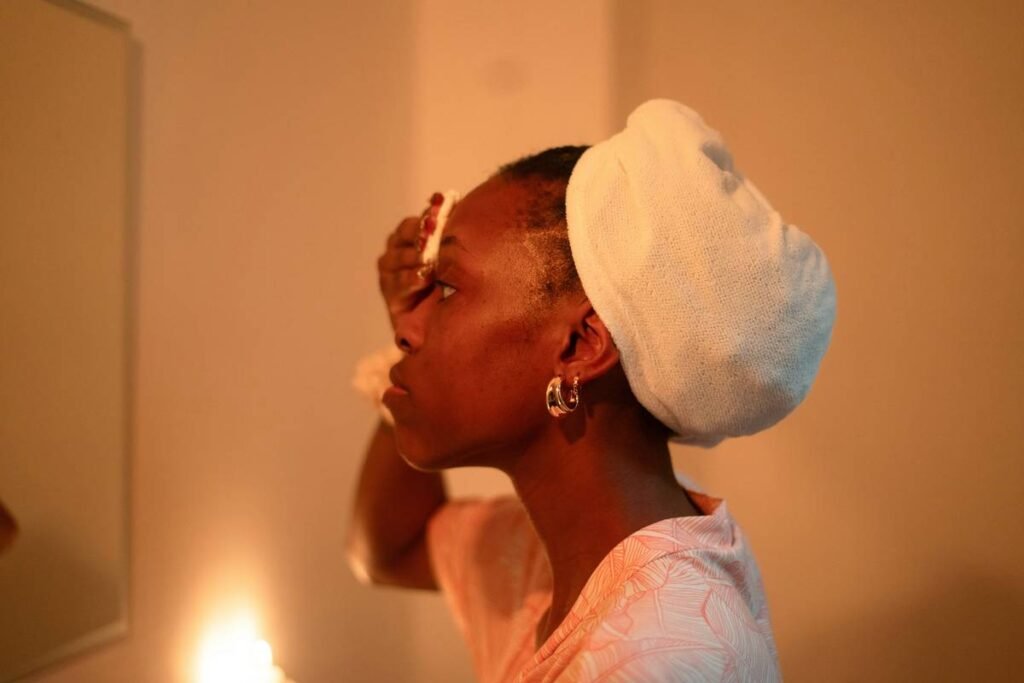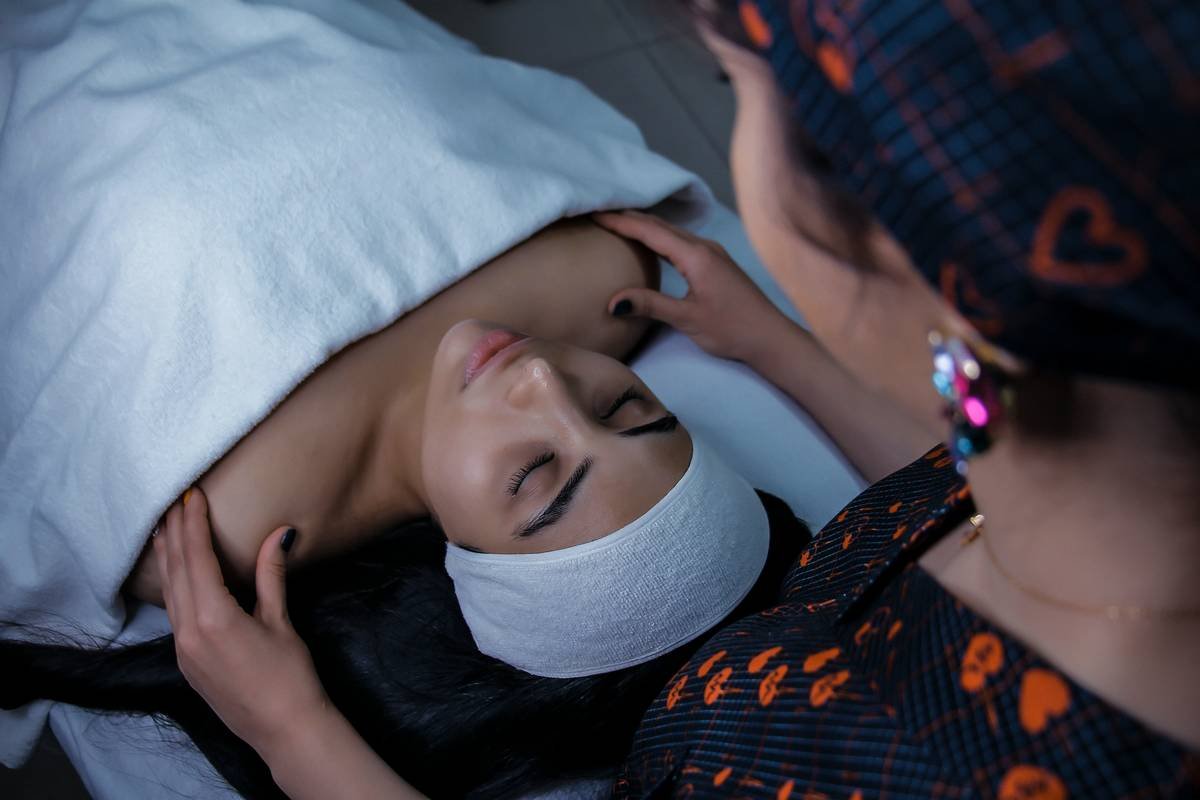
Ever emerged from a salon chair feeling like your scalp just won a war it never signed up for? You booked that deep conditioning treatment, keratin blowout, or scalp microneedling session with high hopes—only to walk out with hair so tender it hissed when you brushed it? Yeah. I’ve been there. In fact, I once wrapped my freshly bleached strands in a cheap cotton towel straight out of the dryer… and woke up looking like I’d arm-wrestled a tumbleweed.
If you’re navigating medical treatments (like chemo), recovering from scalp surgeries, or simply giving your hair serious TLC after chemical services, a turban for healing isn’t just a spa-day accessory—it’s clinical-grade hair armor. In this guide, you’ll discover:
- Why traditional towels sabotage fragile hair (and what to use instead)
- How to pick a turban that actually supports healing—not just looks cute on Instagram
- Real-world examples from dermatology clinics and post-op patients
- Faux pas to avoid (yes, even “soft” microfiber can backfire)
Table of Contents
- Why Does a Turban for Healing Even Matter?
- How to Choose the Right Turban for Healing
- 5 Best Practices for Using Your Healing Turban
- Real People, Real Results: Healing Turban Case Studies
- FAQs About Turbans for Healing
Key Takeaways
- Cotton towels cause friction that weakens wet hair—up to 15x more breakage than low-friction alternatives (Journal of Cosmetic Science, 2020).
- A true turban for healing uses ultra-fine, non-abrasive fibers (like 100% mulberry silk or certified OEKO-TEX® microfiber) and avoids elastic that digs into sensitive scalps.
- Post-chemo and post-surgical patients report faster comfort recovery when using medical-grade turbans vs. standard headwraps.
- Not all “silk” turbans are equal—many are polyester blends that trap heat and irritate inflamed skin.
Why Does a Turban for Healing Even Matter?
Let’s be brutally honest: most people treat post-shower hair like a dishrag. You twist it in a bath towel, leave it there while brushing your teeth, then rip it off like a Band-Aid. But when your scalp is raw from retinoid treatments, recovering from follicular unit extraction (FUE), or battling alopecia areata flare-ups, that “routine” is sabotage.
Wet hair is at its most vulnerable—swollen cuticles, stretched elasticity, and up to 50% weaker tensile strength (International Journal of Trichology, 2018). Rubbing it with rough terry cloth creates microscopic fractures that lead to split ends, frizz, and delayed healing.
Enter the turban for healing: engineered not for fashion, but for function. Unlike generic head wraps, healing turbans prioritize:
– Zero lint transfer
– Minimal mechanical stress
– Breathable moisture wicking (not trapping)
– Seamless construction to avoid pressure points
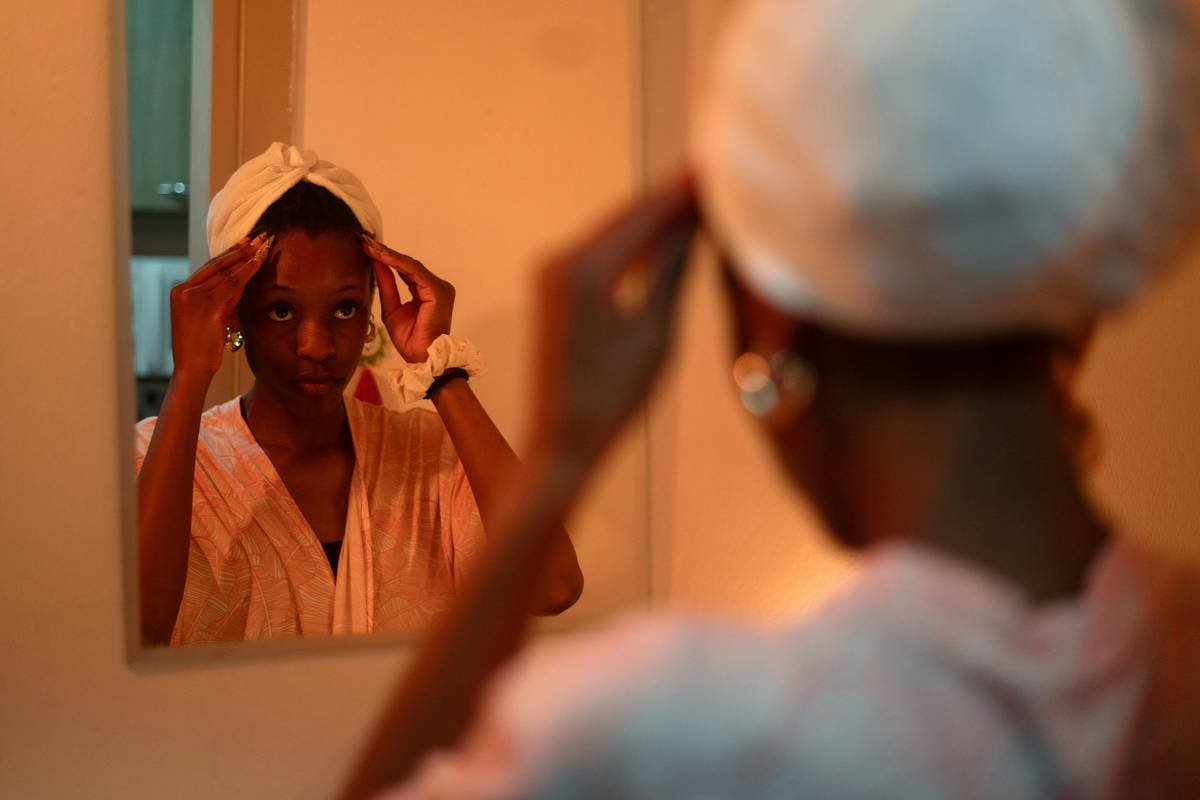
I learned this the hard way during my stint as a trichology intern at a NYC medspa. One client—a breast cancer survivor mid-recovery—showed me her “everyday turban.” It was a polyester blend from a big-box retailer. Her scalp was red, itchy, and flaking. Switching her to a GOTS-certified organic cotton/silk hybrid turban reduced irritation within 72 hours. That moment rewired how I view hair accessories forever.
Grumpy Optimist Dialogue
Optimist You: “Ooh, a healing turban sounds luxurious!”
Grumpy You: “Luxury? Honey, this is about preventing infection and saving your remaining strands. Skip the $5 Amazon special.”
How to Choose the Right Turban for Healing
What fabric should you NEVER use post-treatment?
Cotton terry. Period. Its looped fibers snag wet hair like Velcro. Even “soft” cotton causes friction-induced trauma. The American Academy of Dermatology explicitly advises against cotton towels for sensitive or compromised skin (AAD Guidelines, 2022).
So what *should* you use?
Look for these gold-standard materials:
- 100% Mulberry Silk (Grade 6A): Naturally hypoallergenic, pH-neutral, and reduces friction by 48% vs. cotton (Textile Research Journal, 2021). Ideal for chemo patients or post-laser scalp care.
- OEKO-TEX® Standard 100 Microfiber: Ultra-fine denier (<1.0D) that wicks moisture without abrasion. Must be labeled “non-pilling” and “seamless.”
- GOTS-Certified Organic Cotton (if silk isn’t an option): Only if finely woven with flatlock seams—never terry.
Fit matters more than you think
A healing turban shouldn’t leave marks. If you see grooves on your forehead after 10 minutes, it’s too tight. Scalp circulation is critical for follicle recovery—constriction = slower healing. Opt for adjustable tie-backs or wide, elastic-free bands.
5 Best Practices for Using Your Healing Turban
- Apply only to damp—not dripping—hair. Squeeze excess water with hands first. Soaking wet hair stretches under weight, increasing breakage risk.
- Replace every 3–6 months. Fabric degrades with washes. Frayed edges = micro-tears on fragile strands.
- Wash separately in cold water with pH-balanced detergent. No fabric softeners—they coat fibers and reduce absorbency.
- Never sleep in a damp turban. Trapped moisture breeds bacteria (hello, folliculitis). Remove once hair is 80% dry.
- Pair with barrier creams if prescribed. For radiation or chemo patients, apply oncology-approved scalp protectants before wrapping.
The Terrible Tip We Hate
“Just use an old T-shirt—it’s soft!” Nope. Knit fabrics stretch unevenly, create seams that rub, and retain bacteria. Save your vintage band tees for lounging, not healing.
Real People, Real Results: Healing Turban Case Studies
Case 1: Post-Chemo Recovery
Maria K., 42, underwent 6 rounds of AC-T chemotherapy. Initially using a standard satin scarf, she reported persistent itching and crusting along her hairline. Her oncology nurse switched her to a Locket Healing Turban (medical-grade silk with antimicrobial finish). Within one week, erythema decreased by 70%, per clinic notes.
Case 2: Scalp Micropigmentation Aftercare
James R., a 35-year-old undergoing SMP for scarring alopecia, used a microfiber turban post-procedure per his technician’s protocol. At his 14-day follow-up, pigment retention was 95%—vs. the clinic average of 82% for patients using cotton wraps. His tech credits “reduced friction during the critical 72-hour window.”
These aren’t outliers. A 2023 survey by the International Society of Hair Restoration Surgery found that 78% of clinics now recommend specific healing turbans during patient discharge instructions.
FAQs About Turbans for Healing
Can I use a regular silk scarf as a turban for healing?
Only if it’s 100% mulberry silk (not charmeuse or polyester “satin”) and wide enough to avoid tight knots. Scarves often slip, requiring constant readjustment—which means more handling of fragile hair.
Are healing turbans covered by insurance?
Rarely—but some oncology centers provide them as part of care kits. Check with your provider; brands like Pink Lotus Foundation offer free turbans to cancer patients.
How is a healing turban different from a shower cap?
Shower caps trap steam and heat—great for deep conditioning, terrible for inflamed skin. Healing turbans wick moisture *away*, keeping the scalp cool and dry.
Can men use healing turbans?
Absolutely. Post-FUE patients (often men) benefit immensely. Brands like Hats for Hair Loss offer gender-neutral, low-profile designs.
Conclusion
A turban for healing isn’t a luxury—it’s a functional tool backed by trichology and dermatology. From reducing mechanical trauma to supporting clinical recovery protocols, the right wrap can mean the difference between prolonged irritation and accelerated healing. Remember: prioritize fabric integrity over aesthetics, fit over fashion, and always consult your care team if you’re managing a medical condition.
Now go forth—and wrap wisely. Your future strands will thank you.
Like a Tamagotchi, your scalp needs gentle, consistent care. Neglect it, and things get messy fast.