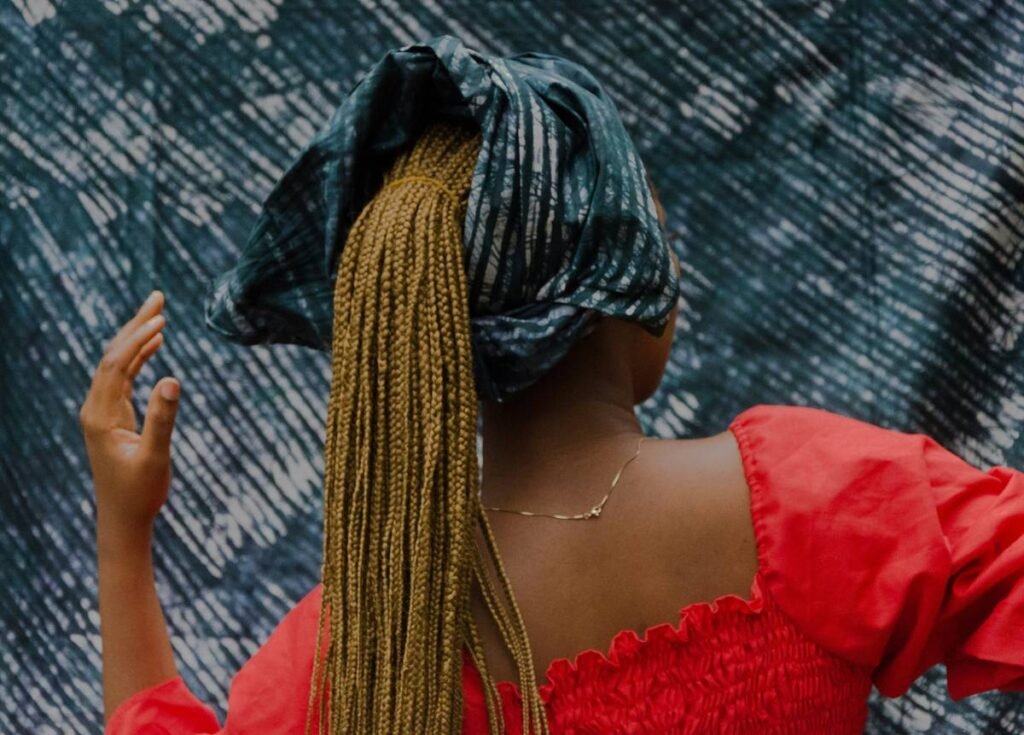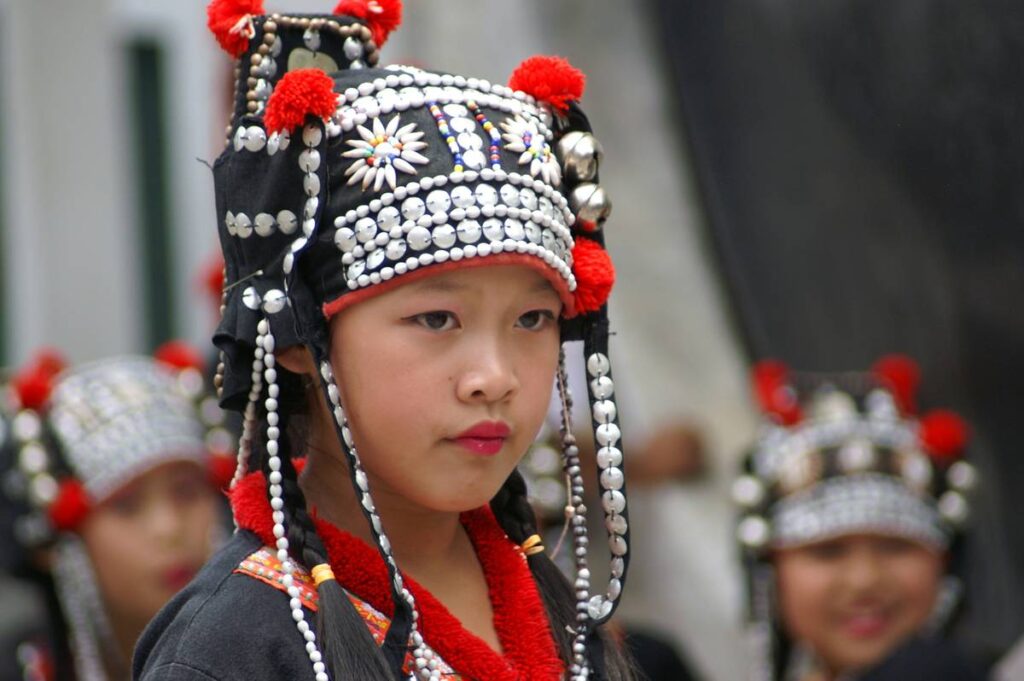
Ever scrolled past a photo of someone wrapped in an intricately tied silk turban and thought, “That’s not just fashion—that’s storytelling”? You’re not alone. In a world where hair is political, personal, and deeply cultural, cultural hair art—especially through hair turbans—is making a quiet but powerful renaissance. And no, it’s not “just a trend” borrowed by influencers. It’s centuries-old expression worn like armor, grace, and rebellion all at once.
In this post, you’ll uncover the rich history behind hair turbans as a form of cultural hair art, learn how to wear them with respect and flair, avoid common missteps (yes, I’ve made them too), and discover why this microniche matters far beyond aesthetics. We’ll cover:
- The deep roots of turbans across African, South Asian, Middle Eastern, and diasporic communities
- How to style a hair turban that honors tradition while fitting your modern routine
- Why “cultural appreciation” ≠ “cultural appropriation” when done right
- Real stories from artisans and wearers keeping this art alive
Table of Contents
- Why Cultural Hair Art Matters
- How to Wear a Hair Turban with Intention
- 5 Best Practices for Respectful Styling
- Real Voices, Real Stories
- FAQs About Cultural Hair Art and Turbans
Key Takeaways
- Hair turbans are more than accessories—they’re vessels of identity, resistance, and ritual.
- Cultural hair art spans continents: from Gele (Nigeria) to Pagri (India) to Sikh Dastar.
- Styling with respect means learning context, crediting origins, and supporting BIPOC makers.
- Silk or cotton? Knot or wrap? Your choice affects both hair health and cultural fidelity.
- Never treat sacred styles as “costume”—ask, listen, then adorn.
Why Does Cultural Hair Art Matter in Today’s Beauty Landscape?
Let’s be brutally honest: the beauty industry has a long, ugly history of extracting Black, Brown, and Indigenous aesthetics while erasing their origins. Remember when cornrows became “boxer braids” on white celebrities? Or when headwraps were called “fashion turbans” in editorials with zero mention of West Africa? Yeah. That whirring sound you hear isn’t your laptop fan—it’s centuries of silenced voices spinning in frustration.
But here’s the hopeful twist: a new wave of conscious consumers and creators is reclaiming cultural hair art on their own terms. Hair turbans, in particular, are experiencing a resurgence—not as disposable trends, but as intentional acts of heritage preservation.
Consider this: over 70% of Black women report altering their natural hair to meet workplace norms (Dove CROWN Research, 2023). Meanwhile, South Asian brides spend hours with elders learning to drape a Ghunghat or Odhani—a practice rooted in modesty, marital symbolism, and regional pride. These aren’t just “styles.” They’re living archives.
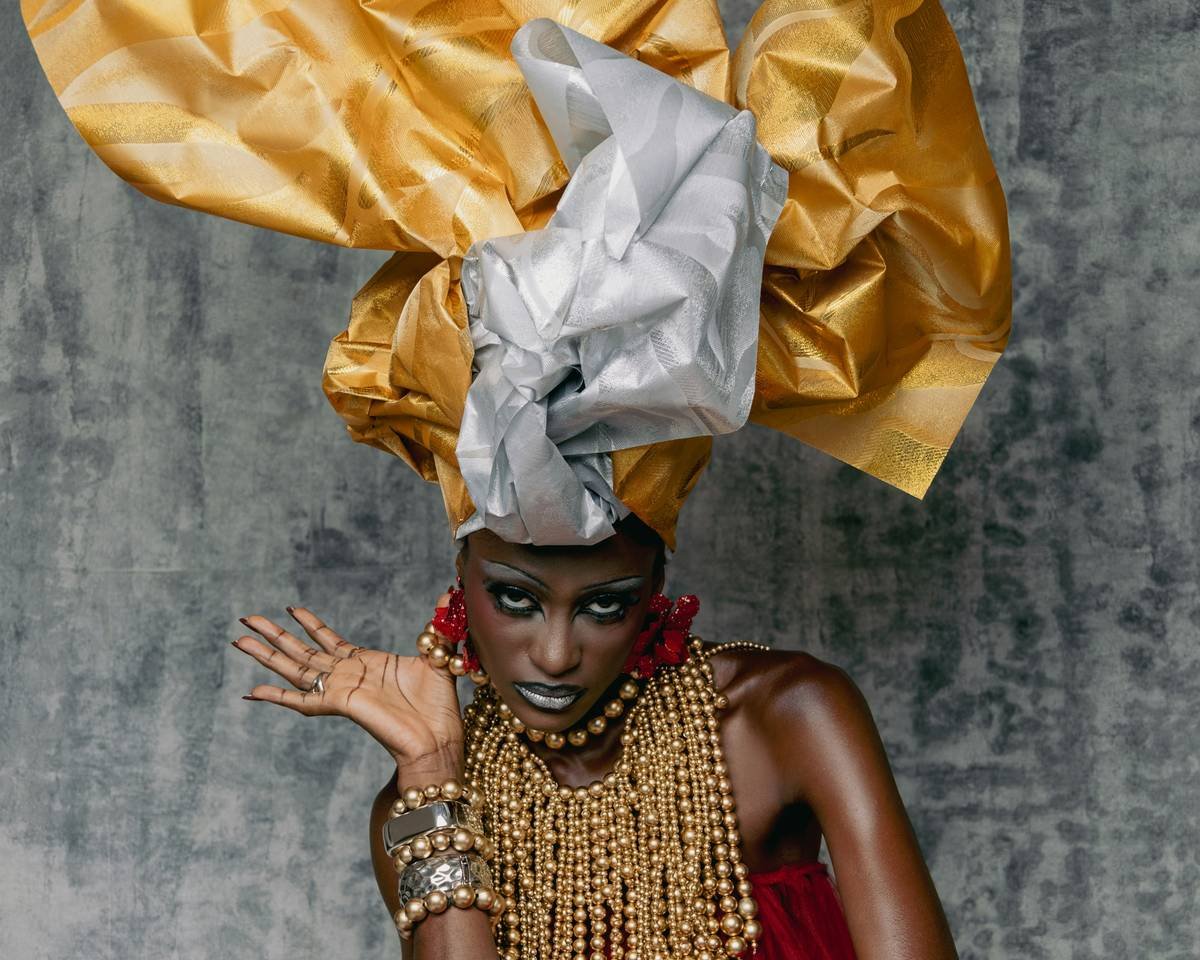
I learned this the hard way during my first pop-up shop in Brooklyn. I sold “boho-chic” silk wraps labeled “spa turbans.” A Yoruba elder gently stopped me: “My grandmother wore this during mourning. It held her grief. Don’t shrink it into spa-day fluff.” Ouch. Truth stings—but it’s necessary.
How Do You Wear a Hair Turban as Cultural Hair Art—Not Costume?
Alright, you’re inspired. You want to embrace hair turbans. But how do you do it without stepping into appropriation territory? Let’s break it down—no fluff, just real talk.
Step 1: Know the Origin Before You Own the Look
Not all turbans are interchangeable. A Nigerian Gele (stiff, starched, dramatic) serves different social functions than a Sikh Dastar (spiritual, uncut hair covered as devotion). Research who created the style, why, and what it signifies. Google Scholar, museum archives, and documentaries like “Afros: A History of Resistance” are goldmines.
Step 2: Choose Fabric That Respects Function & Form
– African Gele? Traditionally stiff Ankara or Aso-Oke fabric—floppy silk won’t hold the iconic peaks.
– South Asian Dupatta wrap? Lightweight chiffon or cotton for breathability in humid climates.
– Post-wash protective style? Use satin-lined cotton to reduce frizz and retain moisture.
Pro tip: I keep a “turban journal” noting which fabrics work for which styles—and which ones caused tangles (looking at you, rough polyester).
Step 3: Learn from the Culture-Bearers
Follow Black and Brown stylists who teach technique *and* context. Shoutout to @Tignon.Tales on Instagram—they unpack Louisiana Creole Tignon laws and styling in the same reel. That’s education with elegance.
Optimist You: “Just tie it and go!”
Grumpy You: “Ugh, fine—but only if I’ve watched three tutorials by actual practitioners first. And had coffee.”
5 Best Practices for Wearing Hair Turbans with Integrity
- Support BIPOC-Owned Brands: Buy from makers like Brownstone Hair (Nigerian-inspired wraps) or Sikh Store (authentic Dastar fabrics).
- Avoid Sacred Symbols as “Decor”: Don’t slap a Khanda emblem (Sikh faith symbol) on a clip-on turban for Coachella. Just… don’t.
- Credit Publicly: Post your look? Tag the culture. Example: “Inspired by Yoruba Gele tradition 💛 #CulturalHairArt”
- Prioritize Hair Health: Tight wrapping = traction alopecia. Always use a satin cap underneath if wearing daily.
- Ask Before You Assume: If unsure whether a style is appropriate for you, ask respectfully in community spaces—not DM strangers.
TERRIBLE TIP (Don’t Do This):
“Just call it a ‘vintage headscarf’ so no one questions your inspiration.” Nope. Evasion erases. Honor requires naming.
Real Voices, Real Stories: Cultural Hair Art in Action
In 2022, stylist Amara Diallo launched “Gele Reclaimed,” a workshop teaching young Black girls in Atlanta how to tie Gele while sharing oral histories from Senegal and Nigeria. Attendance jumped 300% in one year. Why? “They’re hungry to connect with what was almost lost,” she told me over Zoom, adjusting her indigo-dyed wrap.
Meanwhile, in Punjab, brothers Harjot and Gurlal Singh hand-weave organic cotton for Dastars in their family’s 80-year-old loom house. “When non-Sikhs buy from us,” Harjot says, “they’re supporting our craft—not diluting our faith.” Their Etsy shop now ships worldwide—with a note explaining the turban’s spiritual weight.
These aren’t outliers. They’re proof that cultural hair art thrives when commerce meets conscience.
FAQs About Cultural Hair Art and Hair Turbans
Is it okay for non-Black/non-Brown people to wear hair turbans?
Yes—if done with research, respect, and reciprocity. Avoid sacred or ceremonial styles (like bridal Gele or Dastar). Opt for universal protective styles using plain fabrics, and always credit influences.
What’s the difference between a hijab and a hair turban?
A hijab is a religious head covering for Muslim women, often including hair, neck, and chest. A hair turban may or may not have religious meaning—it can be cultural, aesthetic, or functional (e.g., post-shower). Context is key.
Can I wear a turban for hair growth?
Absolutely! Satin or silk turbans reduce friction, lock in moisture, and protect edges—especially helpful for type 4 hair. Just ensure it’s not too tight.
Where can I learn authentic tying techniques?
- YouTube channels like Nigerian Princess (Gele tutorials)
- Instagram: @TheTurbantologist
- Local cultural centers (many offer workshops)
Conclusion: Cultural Hair Art Is More Than What Meets the Eye
Hair turbans aren’t just pretty coils of fabric. They’re maps of migration, manifestos of resilience, and mirrors of identity. When you engage with cultural hair art, you’re not just styling hair—you’re stewarding stories.
So next time you reach for that wrap, ask: Who does this belong to? What does it mean? How can I honor it? Then tie with tenderness. Because true beauty begins with respect.
And hey—if your first attempt looks like a deflated soufflé? Same. My third Gele resembled a sad croissant. But we keep trying. Because some things are worth getting right.
Like a Tamagotchi, your cultural curiosity needs daily care.
Knots hold memory,

Silk whispers ancestral names—

Wear with open hands.