Ever pulled a damp turban off your head after a shower, looked in the mirror, and thought… “Wait—is this actually fashion… or history?” You’re not alone. Millions treat hair turbans as mere post-wash convenience—but what if I told you that piece of fabric on your head is rooted in centuries of identity, ritual, and resistance?
In this deep dive, we’ll unpack how the modern hair turban transcends beauty routines to become a cultural headpiece with global resonance. You’ll learn its historical significance across continents, how to wear it respectfully (and gorgeously), why mass-market brands often get it wrong—and how your simple styling choice connects to something far bigger than dry-time reduction.
Table of Contents
- Why Does This Even Matter?
- How to Wear a Cultural Headpiece Respectfully (Without Appropriation)
- Top 5 Best Practices for Styling & Honoring Hair Turbans
- Real-World Case Studies: When Brands Got It Right (and Very Wrong)
- FAQs About Cultural Headpieces & Hair Turbans
Key Takeaways
- A hair turban is more than a beauty tool—it’s a cultural headpiece
- Wearing one without context can veer into appropriation; understanding origin and intent is non-negotiable.
- Fabric choice, tying technique, and occasion matter deeply—cotton isn’t always better than satin in cultural contexts.
- Brands like Mayamiko and The Lip Bar prove ethical collaboration + education = beautiful business.
Why Does This Even Matter?
Let’s be real: most beauty influencers show you how to “elevate your towel wrap” with silk scarves and Pinterest-worthy knots—but skip the part where this style originated as a symbol of dignity under oppression.
I learned this the hard way. Years ago, I styled a client in a photo shoot wearing a bright gele (a traditional Nigerian headwrap) as a “boho-chic hair turban.” Zero research. Zero context. Just aesthetics. A follower DM’d me: “That’s not boho—it’s Yoruba royalty wear. My grandmother wore that to her husband’s funeral.” Cue stomach drop. I deleted the post, apologized publicly, and spent the next six months studying textile histories from Dakar to Delhi.
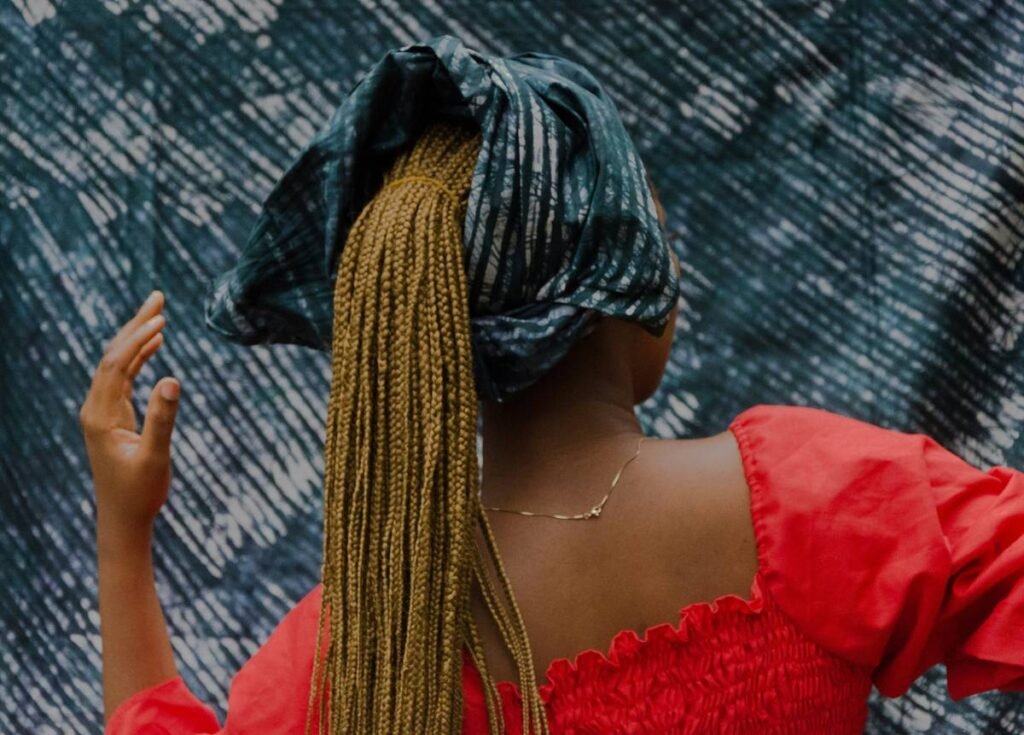
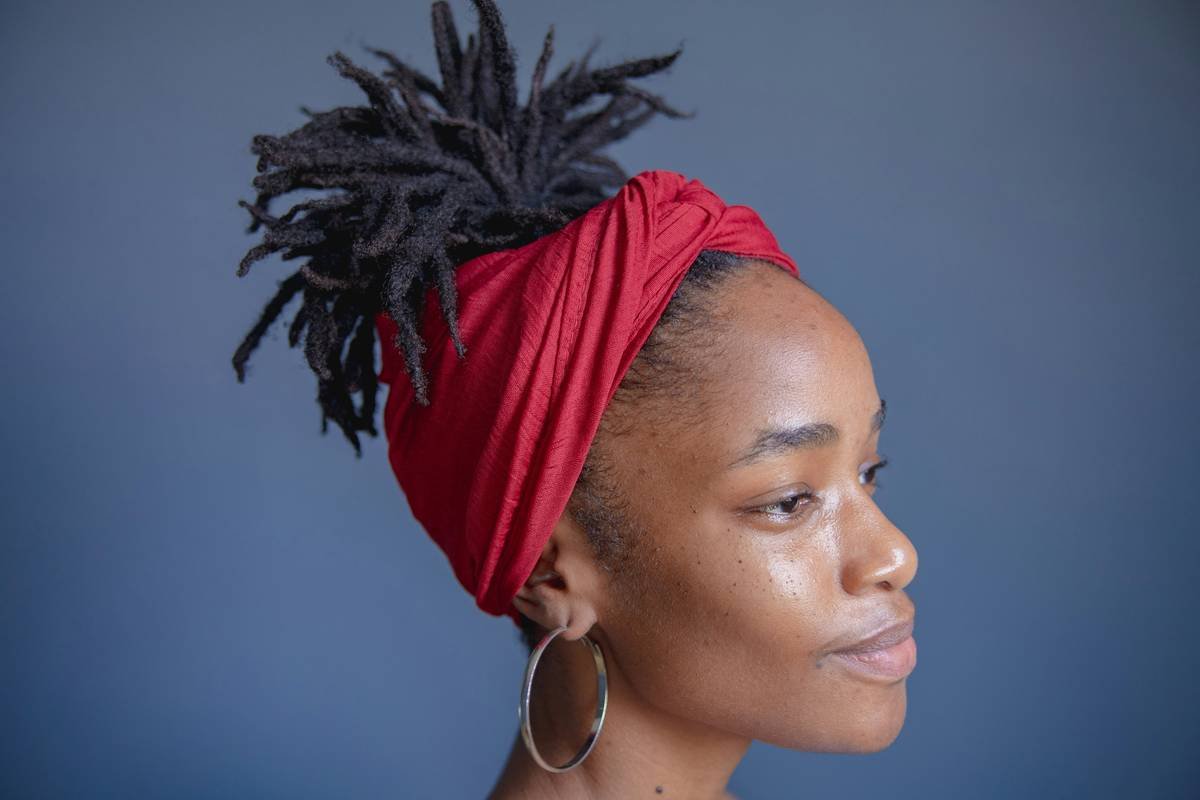
Here’s the truth: calling every wrapped head covering a “hair turban” erases meaning. In Ethiopia, the shash protects married women’s modesty. In Sikhism, the dastar is sacred—never removed in public. For Black women globally, wrapping hair post-wash in a cotton turban isn’t laziness—it’s a necessary ritual to preserve moisture and curl pattern, born from generations denied access to “acceptable” hairstyles.

According to UNESCO’s Intangible Cultural Heritage list, textile wrapping traditions like Ghana’s kente-based headwear are “living expressions of community identity” (UNESCO, 2021). And yet, fast-fashion retailers slap “ethnic print turbans” on $9.99 shelves with no credit. That’s not trend—it’s theft.
How to Wear a Cultural Headpiece Respectfully (Without Appropriation)
“But I just love the look!”—Now What?
Optimist You: “Follow these steps and honor while you style!”
Grumpy You: “Ugh, fine—but only if coffee’s involved and nobody calls my satin turban ‘exotic.’”
Step 1: Identify If You’re Wearing a Specific Cultural Style
Not all wraps are equal. Ask:
- Is this based on a specific tradition (e.g., Somali hijab, Fulani wrap)?
- Am I using sacred symbols (like Sikh khanda patterns)?
- Would wearing this at Coachella offend someone whose ancestors died protecting this practice?
If yes to any—pause.
Step 2: Choose Neutral Styles for Daily Use
Plain cotton or satin hair turbans for drying curls? Totally fine—they’re functional, not ceremonial. But when you add prints, embellishments, or mimic religious tying methods (like the double-knot of an Orthodox Jewish tichel), context shifts.
Step 3: Credit & Support Origin Communities
Bought that Ankara-print turban? Tag the designer. Better yet—buy from Black- or Brown-owned brands like Mayamiko (Malawian-made) or The Lip Bar’s accessory collabs. Revenue + recognition = respect.
Top 5 Best Practices for Styling & Honoring Hair Turbans
- Prioritize function over “vibe”: Use microfiber for wet hair (reduces frizz), satin for sleeping—but don’t call your bedtime wrap a “gele” unless you’re Nigerian and styling for an event.
- Never costume-ify: Halloween? Beach photoshoot? Skip culturally specific wraps entirely.
- Ask before you borrow: Attending a friend’s South Asian wedding? Ask how guests typically cover hair—don’t assume your Pinterest turban fits.
- Educate your audience: Influencers—if you showcase a “turban look,” explain its roots or link to creators from that culture.
- Support policy change: Advocate for CROWN Act laws that protect natural hair and head coverings in schools/workplaces (passed in 23 U.S. states as of 2024).
Real-World Case Studies: When Brands Got It Right (and Very Wrong)
The Fail: Urban Outfitters’ “Festival Turbans” (2018)
They sold machine-printed “tribal” headwraps labeled “boho.” Backlash erupted when Somali and Oromo communities pointed out the patterns mimicked sacred clan symbols. Urban Outfitters quietly pulled the line—no apology, no restitution. Classic extractive capitalism.
The Win: Mayamiko’s Ethical Gele Workshops
This UK-based brand partners with Malawian artisans to teach traditional wrapping techniques through virtual classes. Each turban purchase funds textile apprenticeships for women. Result? Cultural preservation + economic justice. Their Instagram tags elders who invented the folds they sell. Now that’s chef’s kiss for drowning algorithms—ethically.
FAQs About Cultural Headpieces & Hair Turbans
Is it okay to wear a hair turban if I’m not from that culture?
Yes—if it’s a generic, unadorned wrap for hair protection. No—if you’re replicating a specific cultural or religious style without permission or understanding.
What’s the difference between a turban and a hijab?
A hijab is an Islamic headscarf with religious significance; turbans may be secular or sacred depending on culture. Never use the terms interchangeably.
Can men wear cultural headpieces too?
Absolutely. Sikh men wear dastars daily; Tuareg men wear indigo tagelmusts in the Sahara. Gender doesn’t negate cultural relevance.
Where can I learn authentic wrapping techniques?
Seek teachers from the culture: YouTube channels like Nigerian Mommy Vlog or Sikh Coalition’s tutorials. Avoid “global fusion” blogs that mash traditions together.
Conclusion
Your hair turban isn’t just about reducing breakage—it’s a thread connecting you to centuries of resilience, artistry, and identity. Wear it with care, curiosity, and credit. Because true beauty isn’t just skin (or hair) deep—it’s rooted in respect.
Like a Tamagotchi, your cultural awareness needs daily care—or it dies. 💅