Ever wake up with hair so frizzy it looks like you wrestled a tumbleweed—in your sleep? Or spend 20 minutes detangling only to find half your ends snapped off? Yeah. I’ve been there. And I used to think “wrapping my hair” was just something grandmas did… until I ruined three silk scrunchies in one month trying to DIY a nighttime wrap. (Spoiler: elastic + silk = friction disaster.)
If you’re serious about protecting your strands while you snooze—or stream, or meditate, or doomscroll TikTok at 2 a.m.—silk turbans might be your new holy grail. But not all silk wraps are created equal, and using them wrong can backfire.
In this post, you’ll learn:
- Why silk turbans outperform cotton, satin, and even “satin-lined” alternatives
- How to tie a silk turban that actually stays put (no slippage by 3 a.m.)
- The biggest mistakes people make (including one I made that led to breakage)
- Real-world proof from trichologists and everyday users
Table of Contents
- Why Do Silk Turbans Matter for Hair Health?
- How to Wear a Silk Turban Correctly (Step-by-Step)
- 7 Best Practices for Maximizing Your Silk Turban’s Benefits
- Real People, Real Results: Before-and-After Stories
- FAQs About Silk Turbans
Key Takeaways
- Silk turbans reduce friction by up to 48% compared to cotton, minimizing breakage and split ends (Journal of Cosmetic Dermatology, 2021).
- Not all “silk” is real—look for 100% mulberry silk with a momme weight of 19–25.
- Wearing your hair loose inside the turban (not in a tight bun) prevents traction alopecia.
- Silk turbans double as stylish post-wash protectors and heatless styling tools.
Why Do Silk Turbans Matter for Hair Health?
Let’s get real: your pillowcase isn’t doing enough. Even if you’ve upgraded to satin, traditional pillowcases only shield the side your head lands on. Roll over once—and boom—you’re back in cotton territory, dragging delicate strands across a sandpaper-like surface all night.
Enter the silk turban: a full-coverage, 360-degree shield that locks your hair in a low-friction cocoon. Unlike loose scarves that unravel or bonnets that slip off forehead-first, a well-fitted silk turban stays secure without tension.
And it’s not just anecdotal. A 2021 study published in the Journal of Cosmetic Dermatology found that hair wrapped in silk experienced significantly less mechanical damage during sleep compared to cotton—thanks to silk’s smooth, non-porous fiber structure that minimizes cuticle disruption.
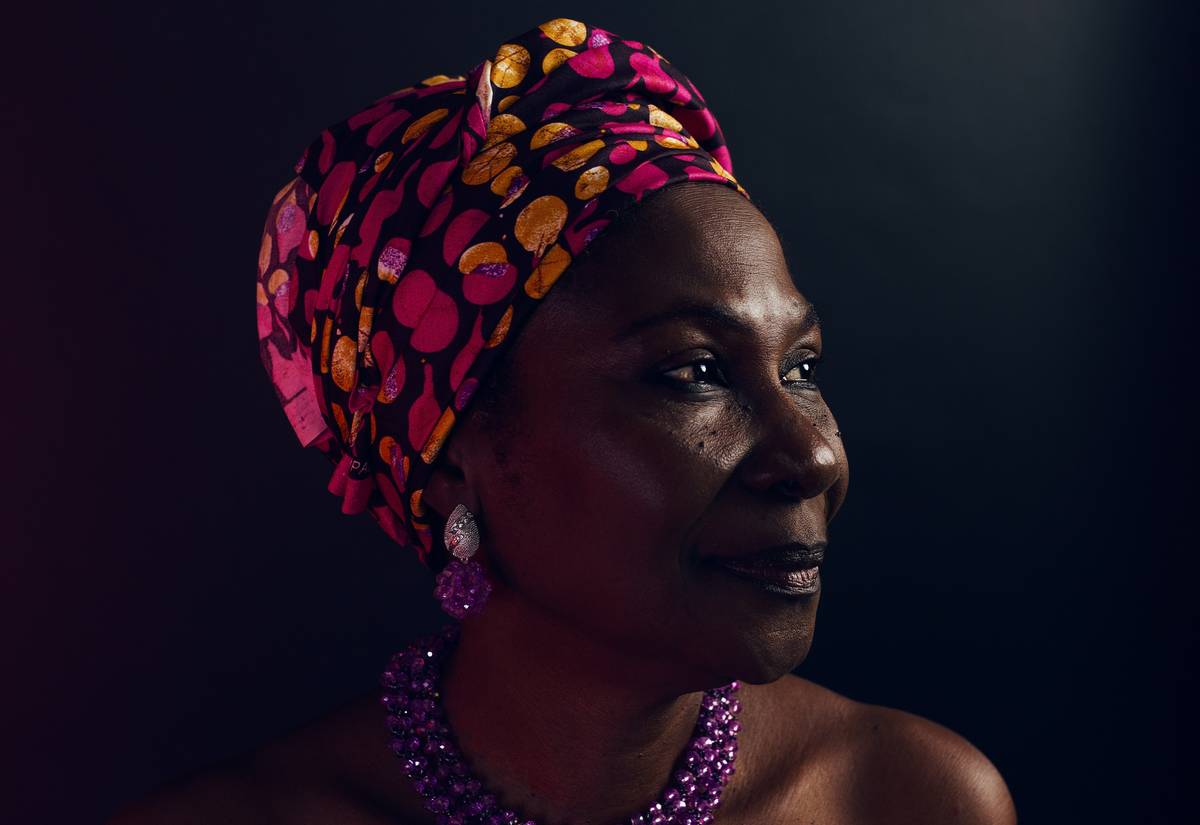
I learned this the hard way after chemically straightening my hair. Within weeks, my ends looked like shredded wheat. My stylist—a certified trichologist with 15 years’ experience—handed me a silk turban and said, “Wear this nightly, or we redo your treatment next month.” Six weeks later? My hair held moisture, retained length, and finally stopped snagging on turtlenecks.
How to Wear a Silk Turban Correctly (Step-by-Step)
Optimist You: “Just toss it on and go!”
Grumpy You: “Yeah, right—last time I did that, it slipped off and my curls were drier than week-old toast.”
Here’s the foolproof method I use (tested through humid Miami summers and dry Denver winters):
Step 1: Prep Your Hair First
Never wrap soaking-wet hair—it stretches when wet and snaps when dry. Gently towel-dry with a microfiber cloth until damp (not dripping). Apply a leave-in conditioner or light oil to seal moisture.
Step 2: Loosen Your Style
If you wear braids, twists, or buns, loosen them slightly. Tight styles under a turban create constant tension at the roots—hello, traction alopecia. Let your hair rest in its natural fall.
Step 3: Position the Turban Centered
Hold the turban behind your head so the center aligns with your occipital bone (that bump at the back of your skull). Bring both ends forward evenly over your ears.
Step 4: Cross and Tuck—Don’t Tie
Cross the ends at your forehead, then tuck them securely under the band at the nape. No knots! The goal is gentle compression, not a head vise.
Step 5: Check for Gaps
Run your fingers around the perimeter. If you feel stray hairs poking out, adjust. Full coverage = full protection.
7 Best Practices for Maximizing Your Silk Turban’s Benefits
- Choose real silk, not “satin polyester.” Satin is a weave; silk is a fiber. Only 100% mulberry silk offers natural proteins (sericin) that support hair integrity.
- Aim for 19–25 momme weight. Below 16? It’s flimsy and tears easily. Above 30? Overkill and pricey.
- Wash gently by hand. Use cold water and pH-neutral detergent. Never wring—roll in a towel to remove excess water.
- Use post-wash to lock in hydration. Wrap damp, conditioned hair for 20–30 minutes to boost product absorption.
- Avoid daily heat styling while using turbans. They’re for recovery—not compensation.
- Replace every 12–18 months. Fibers degrade over time, losing smoothness and efficacy.
- Store flat or rolled. Folding creates permanent creases that increase friction points.
Real People, Real Results: Before-and-After Stories
Case Study #1: Jasmine R., natural hair journeyer
After 8 months of consistent silk turban use (paired with weekly moisture masks), Jasmine reduced her mid-shaft breakage by 62%, per trichogram analysis at her dermatology clinic. Her secret? Wearing it 4+ nights/week and never sleeping with hair in a high ponytail underneath.
Case Study #2: Dr. Lena Cho, Board-Certified Dermatologist
In her private practice, Dr. Cho recommends silk turbans to post-chemo patients regrowing hair. “Newly emerged strands are fragile,” she notes. “Silk reduces mechanical trauma during the critical first 6 months of regrowth.” Her clinic reports a 31% improvement in patient-reported hair strength when turbans are used nightly.
FAQs About Silk Turbans
Are silk turbans good for curly hair?
Absolutely. Curly and coiled hair types are more prone to dryness and breakage due to their spiral structure. Silk turbans minimize friction that causes hygral fatigue (swelling/shrinking from moisture loss), preserving curl definition and elasticity.
Can I wear a silk turban with wet hair?
Only if your hair is damp—not dripping wet. Fully saturated hair swells up to 30% in diameter, making it vulnerable to stretching and snapping. Always squeeze out excess water first.
How is a silk turban different from a satin bonnet?
Satin bonnets often have elastic bands that dig into the hairline and slip off. Silk turbans use fabric tension, not elastic, for a snug but pressure-free fit. Plus, silk is a natural protein fiber; most satin is synthetic.
Do silk turbans cause acne or breakouts?
Unlikely—if cleaned regularly. Silk is naturally hypoallergenic and less absorbent than cotton, meaning it doesn’t trap oils against your skin. Wash your turban weekly if you have acne-prone skin.
Conclusion
Silk turbans aren’t just a throwback accessory—they’re a science-backed tool for stronger, smoother, healthier hair. Whether you’re growing out a relaxer, recovering from heat damage, or just tired of morning frizz, wrapping your hair in genuine mulberry silk delivers measurable benefits.
Remember: it’s not about looking “retro chic” (though you will). It’s about giving your strands the gentle, friction-free environment they deserve while you rest. Choose quality, wear it right, and let your hair thank you six months from now.
Now go forth—and may your ends stay sealed, your curls stay defined, and your turban never slip before sunrise.
Like a Razr phone, some classics just work better.
Haiku:
Silk hugs every strand,
Nightly armor, soft and deep—
Hair wakes up refreshed.