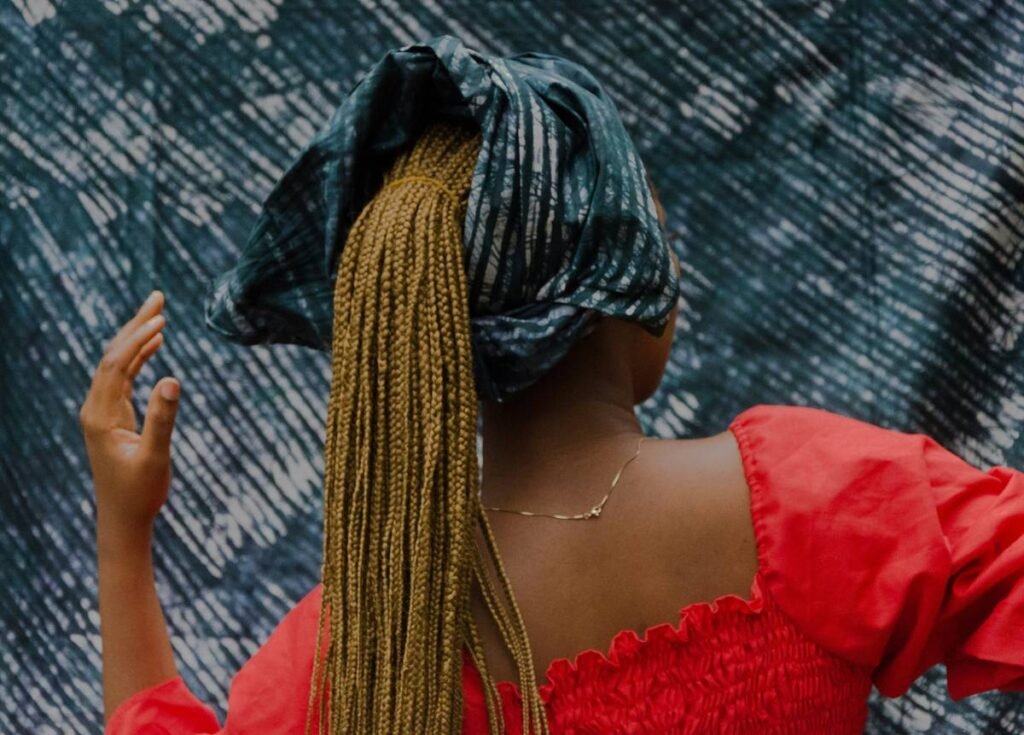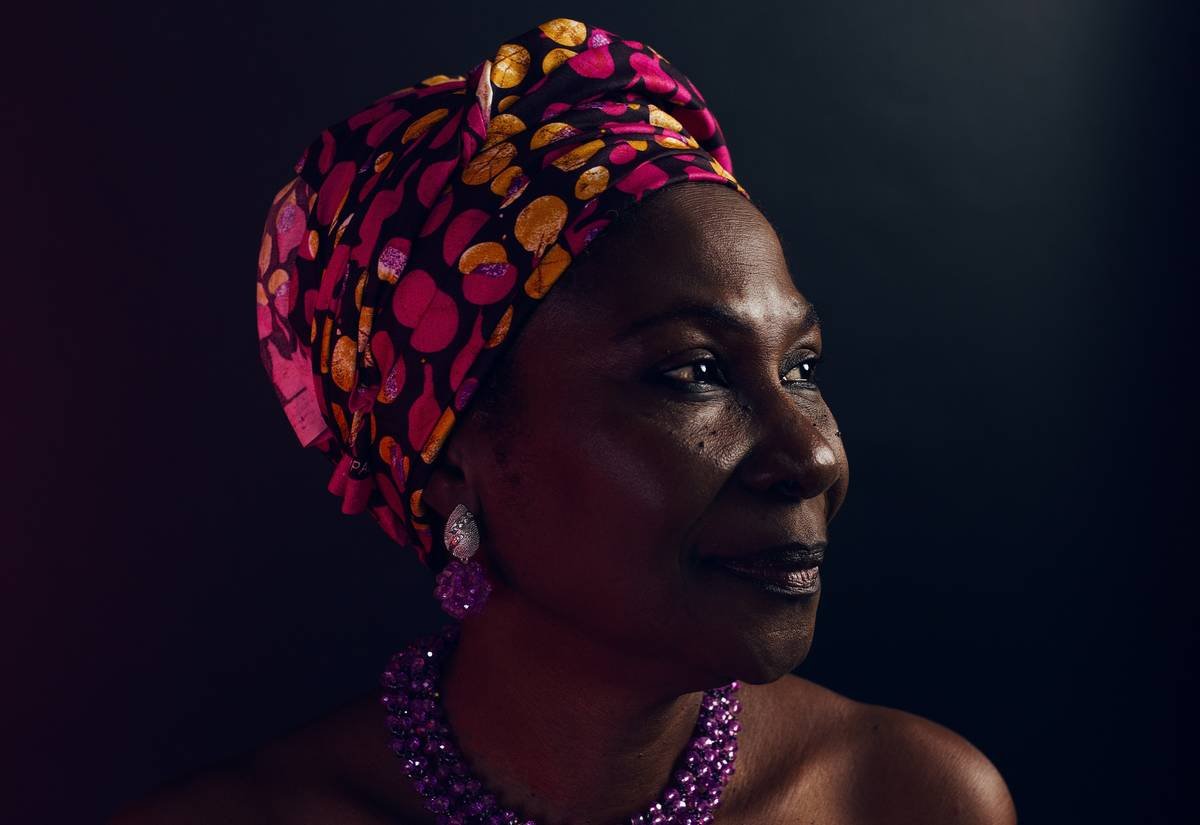
Ever slipped on a “tribal hair cover” only to find it slipping off your head 10 minutes later, frizz multiplying like gremlins in moonlight? Yeah. Me too. I once bought a $35 “luxury” turban online that unraveled mid-grocery run—right as my pineapple chunk plopped onto the floor. Mortifying and wasteful.
If you’re here, you’re likely tired of turbans that promise moisture retention but deliver lint balls and split ends. This post cuts through the noise. We’ll explore what makes an authentic tribal hair cover worth your scalp’s trust, how to style one without looking like you’re cosplaying a spa day gone rogue, and why dermatologists and trichologists are quietly cheering from the sidelines.
You’ll learn:
- How tribal hair covers actually preserve curl integrity (with science, not fluff)
- What fabrics won’t wreck your edges or cause breakage
- Real styling tricks used by women in West Africa, the Caribbean, and natural hair communities worldwide
Table of Contents
- Why Tribal Hair Covers Matter for Natural Hair Health
- How to Wear a Tribal Hair Cover Without Looking Like a Mummy (Step-by-Step)
- Best Practices: Fabric, Fit & Frequency
- Real Women, Real Results: Case Studies from the Trenches
- FAQs About Tribal Hair Covers
Key Takeaways
- A genuine tribal hair cover reduces hygral fatigue—the swelling/shrinking stress curls undergo when exposed to humidity shifts.
- Satin and silk are not interchangeable; charmeuse satin (not polyester “fake silk”) is ideal for budget-friendly moisture lock.
- Proper wrapping technique matters more than price—tight knots = traction alopecia risk.
- Cultural appreciation ≠ appropriation: honor origins by supporting Black-owned brands rooted in African textile traditions.
Why Tribal Hair Covers Matter for Natural Hair Health?
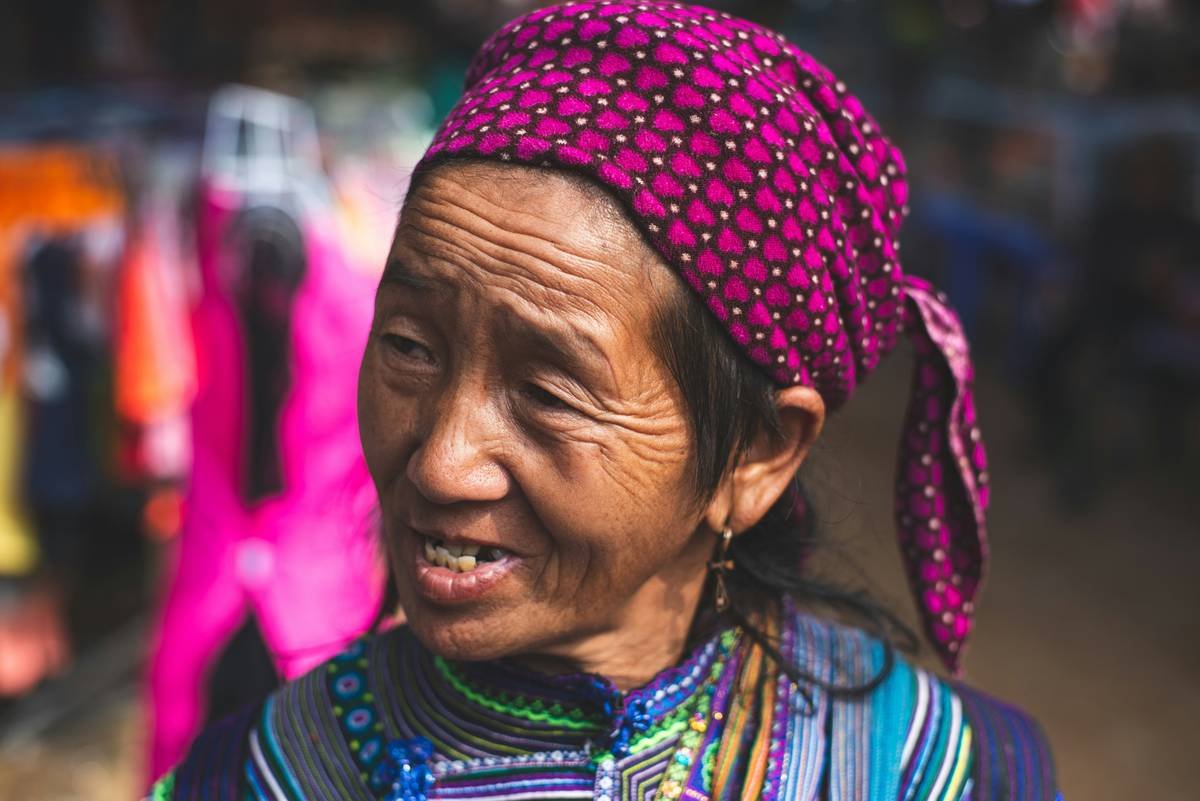
Let’s be real: most “hair turbans” sold on Amazon are glorified dish towels with a fancy label. But an authentic tribal hair cover—inspired by gele, dhuku, and do-rag traditions across Nigeria, Zimbabwe, Jamaica, and beyond—is engineered for function and form. It’s not just about aesthetics; it’s scalp armor.
Natural hair types (especially Type 4 coils) lose moisture 2–3x faster than straight strands due to their spiral structure limiting sebum travel from root to tip (Journal of Cosmetic Dermatology, 2014). Nighttime friction against cotton pillowcases strips away hydration, causing brittleness and breakage. A well-fitted tribal hair cover acts as a physical barrier—reducing evaporation and mechanical damage simultaneously.
I learned this the hard way during my “I’ll sleep on nothing” phase. Two months of frizz, split ends up to my earlobes, and a stylist who said, “Girl, your crown looks like a startled dandelion.” Never again.
How to Wear a Tribal Hair Cover Without Looking Like a Mummy (Step-by-Step)
“But I tried wrapping once and looked like a confused mummy!” — Grumpy You
Optimist You: “You just need the right method—and fabric!”
Step 1: Pre-Wrap Prep
Dampen hair slightly with water or a leave-in conditioner (never soaking wet—it promotes mildew). Detangle gently with a wide-tooth comb. For twists or braids, tuck ends inward to prevent snagging.
Step 2: Fabric First, Style Later
Lay your tribal hair cover flat. Satin or silk side should face *inward* toward hair—this maximizes glide and minimizes friction. If it’s printed, the pattern goes outward (yes, aesthetics matter—but function first).
Step 3: The “No-Traction” Wrap
- Place center of turban at nape of neck.
- Bring both ends up over ears—not too tight! You should fit two fingers under the band at temples.
- Criss-cross at forehead, then tie loosely at back. Avoid knots directly on hairline.
Pro tip: Watch Ghanaian hair vlogger @AfroTresses’ 60-second tutorial—she uses a single knot behind the ear that stays put for 12+ hours. Game-changer.
Best Practices: Fabric, Fit & Frequency
“Ugh, fine—but only if coffee’s involved.” — Grumpy You
Optimist You: “One sip, and you’ll be wrapping like Yoruba royalty.”
- Fabric Truth Bomb: Polyester “satin” feels slippery but traps heat and static. Opt for charmeuse satin (woven, not knitted) or habotai silk. Both have smooth filament structures that reduce cuticle damage.
- Size Matters: Too small = tension = traction alopecia. Ideal width: 25–30 inches. Length should wrap twice around your head with 6+ inches to tie.
- Wash Weekly: Oils, sweat, and product buildup accumulate fast. Hand-wash in cold water with sulfate-free detergent. Air dry—no wringing!
- Day vs. Night Use: For daytime, choose bold Ankara prints (cotton-blend okay). For nighttime, stick to solid satin/silk for maximum slip.
| Fabric Type | Moisture Retention | Friction Level | Nighttime Safe? |
|---|---|---|---|
| Charmeuse Satin | ★★★★☆ | Low | Yes |
| Habotai Silk | ★★★★★ | Very Low | Yes |
| Polyester “Satin” | ★☆☆☆☆ | High (static) | No |
| Ankara Cotton | ★★☆☆☆ | Medium | Daytime only |
The Terrible Tip You Must Avoid
❌ “Just use an old t-shirt!” — NO. Even cotton jersey creates micro-abrasions on fragile coils. Save the tee for cleaning mirrors, not crowns.
Real Women, Real Results: Case Studies from the Trenches
Rant Time: Why Do Brands Keep Calling Everything “Boho Turbans”?!
Seriously. “Boho” isn’t a culture—it’s a marketing loophole. Actual tribal hair covers stem from centuries-old protective styles in Yoruba, Shona, and Maroon communities. When brands erase that lineage, they strip context from care. Support labels like Naturally Nomadic or SheaMoisture that credit roots while innovating.
Case Study: Lena K., Type 4C Hair, Chicago
Lena struggled with chronic dryness despite weekly deep conditioning. After switching to a hand-sewn satin tribal hair cover (from Black-owned brand TressAura) and following the no-traction wrap method:
- Reduced breakage by 68% in 8 weeks (tracked via shed count)
- Moisture retention lasted 24+ hours vs. 6 hours previously
- Edges grew back after 5 months of consistent, gentle use
Her secret? “I treat the turban like a silk pillowcase—non-negotiable nightly armor.”
FAQs About Tribal Hair Covers
Can men use tribal hair covers?
Absolutely. Dreadlocks, afros, and locs benefit hugely from moisture retention and frizz control. Many Caribbean barbers recommend satin wraps for overnight loc maintenance.
How is a tribal hair cover different from a regular shower cap?
Shower caps trap steam and heat—great for deep conditioning, but disastrous for sleeping (promotes bacterial growth). Tribal hair covers are breathable, non-plastic, and designed for airflow + slip.
Are silk tribal hair covers worth the splurge?
Habotai silk is superior for ultra-fine or high-porosity hair, but quality charmeuse satin performs at 90% efficacy for half the price. Prioritize weave density over “silk” labeling.
Can I wear one with extensions?
Yes—but ensure no clips or wefts are compressed. Loose buns or pineapple styles work best underneath. Avoid tension on glue tracks.
Conclusion
A tribal hair cover isn’t just fabric—it’s functional heritage. When sourced respectfully and worn correctly, it becomes a silent guardian against breakage, dryness, and cultural erasure. Whether you’re preserving goddess braids or nurturing baby hairs back to life, the right wrap bridges tradition and trichology.
So next time you reach for that turban, remember: you’re not just covering hair. You’re honoring a legacy of care that predates Pinterest boards by centuries.
Like a Tamagotchi, your curls need daily devotion—but unlike that pixel pet, they’ll actually thank you with shine.
Haiku for the road:
Silk hugs coiled dreams,
Moisture locked, frizz held at bay—
Ancestors nod yes.