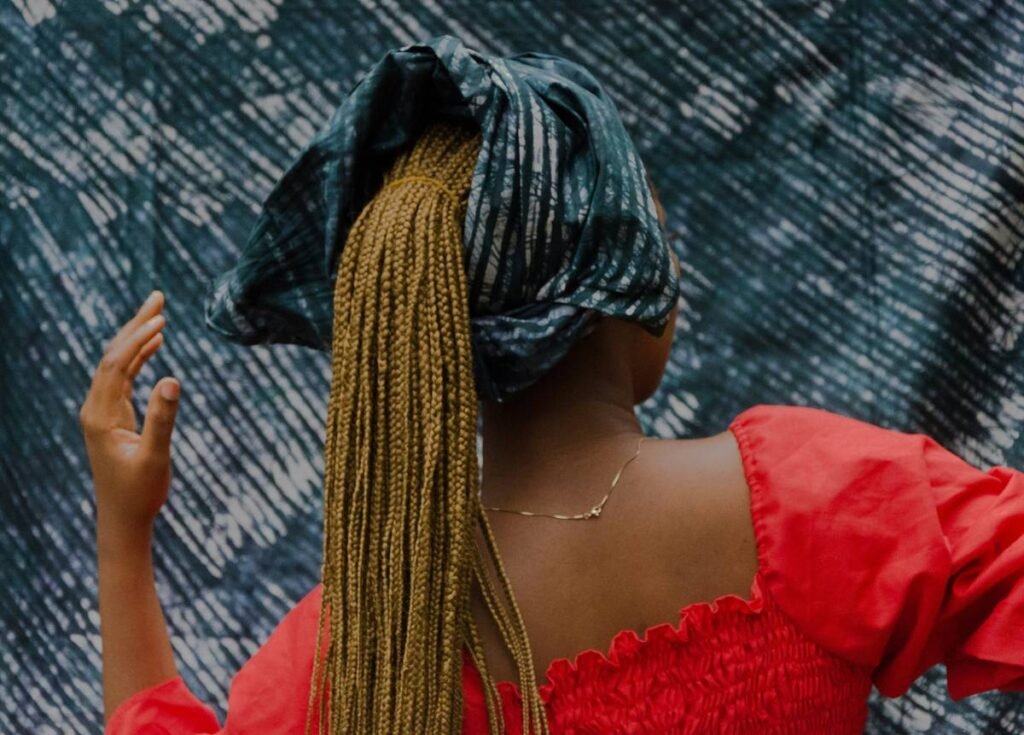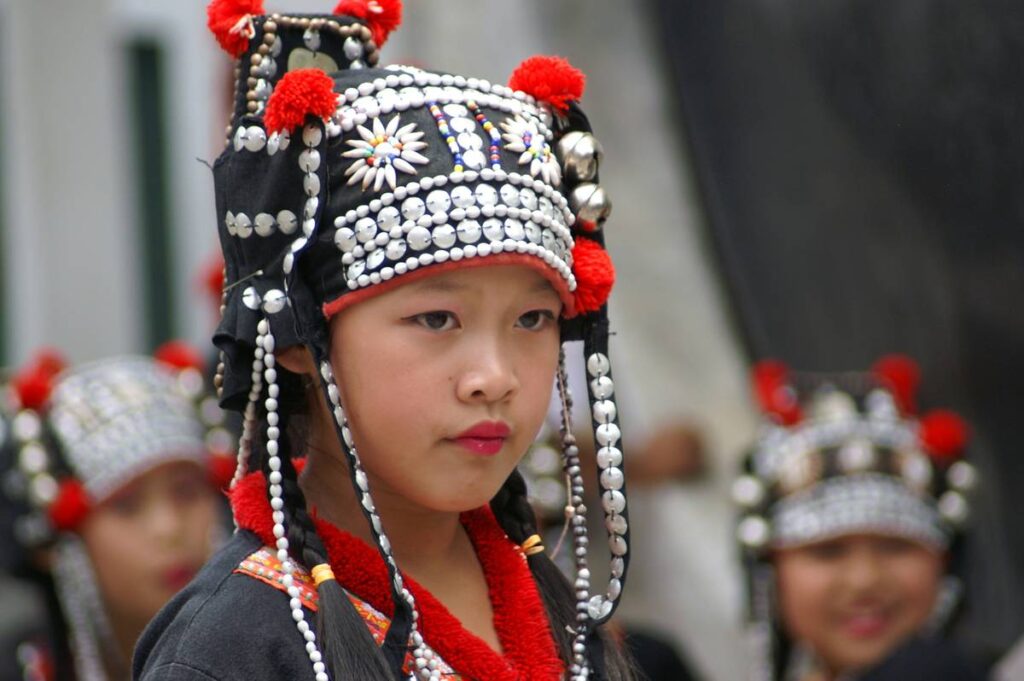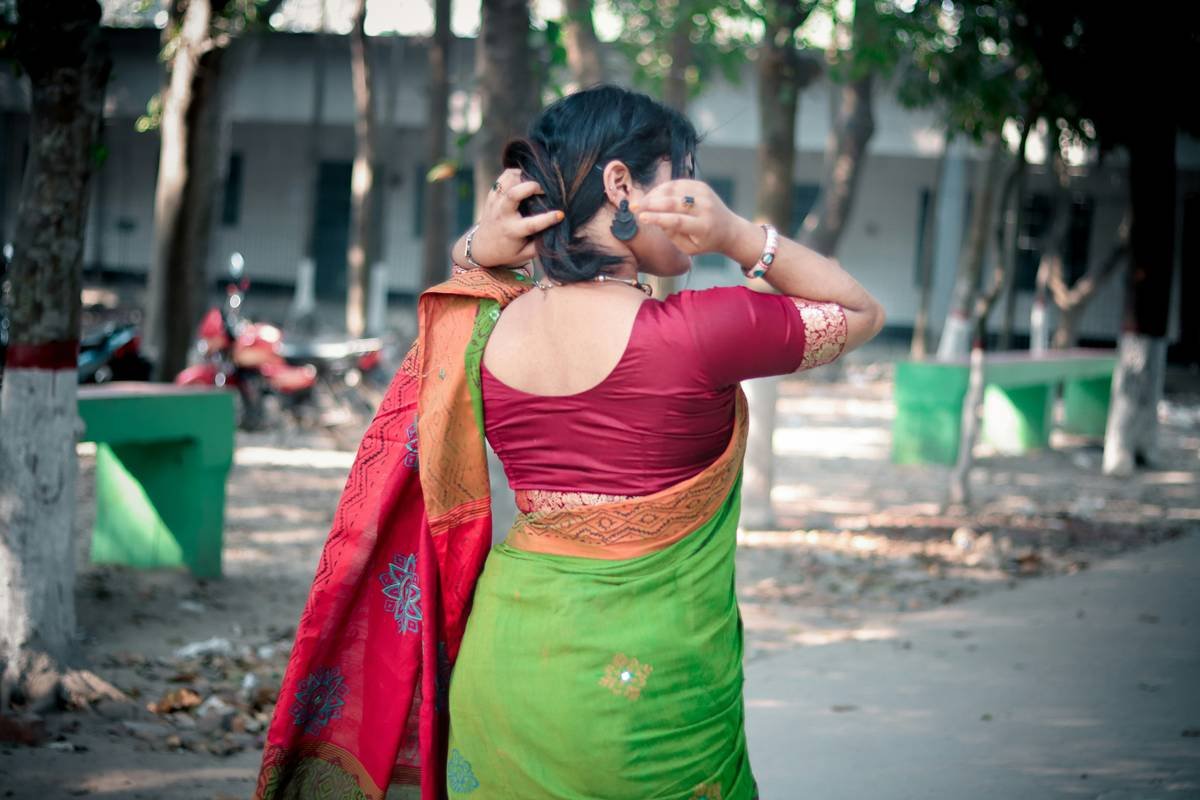
Ever wrapped your hair in a towel after a shower only to find frizz, breakage, and strands stuck in the rough fabric by morning? Yeah… been there too many times. But what if I told you there’s a centuries-old solution—gentler on curls, kinder to coils, and rooted in cultural wisdom—that’s quietly making waves in today’s beauty world?
This post dives deep into the indigenous hair wrap: not just as a stylish accessory, but as a functional, culturally rich practice with real benefits for hair health. You’ll learn its historical roots, how to choose and use one respectfully and effectively, why synthetic turbans fall short, and how this simple shift can transform your hair routine—from wash day to wake-up call.
Table of Contents
- Why Indigenous Hair Wraps Matter Beyond Aesthetics
- How to Choose and Use an Indigenous Hair Wrap (Without Cultural Appropriation)
- Best Practices for Maximum Hair Health & Longevity
- Real Stories, Real Results: From Salon Pros to Everyday Users
- FAQs About Indigenous Hair Wraps
Key Takeaways
- Indigenous hair wraps are traditional head coverings made from natural fibers, used for centuries by Native, African, and Pacific Islander communities to protect, style, and honor hair.
- Unlike terry cloth towels, they reduce friction, prevent moisture loss, and minimize breakage—especially crucial for curly, coily, and textured hair types.
- Authentic indigenous hair wraps should be sourced ethically, with credit and compensation to originating communities.
- Usage is simple: wrap damp or dry hair gently at night or post-wash; avoid tight knots or synthetic blends that cause static and snagging.
- Respect isn’t optional—it’s the foundation of using any culturally rooted beauty tool today.
Why Indigenous Hair Wraps Matter Beyond Aesthetics
Let’s get real: for years, I used whatever towel was closest—even that scratchy gym one (cringe). My curls came out looking like static-charged tumbleweeds. Then, during a visit to the Navajo Nation in 2020, I watched an elder wrap her granddaughter’s braids in a soft, handwoven cotton scarf after washing. “It holds the water in, not the damage,” she said simply.
That moment rewired my entire approach. Turns out, indigenous hair wraps aren’t just practical—they’re part of a larger philosophy of hair as sacred. In many Indigenous cultures across North America, Africa, and Oceania, hair is seen as an extension of spirit, memory, and identity. Covering it isn’t about hiding; it’s about honoring and protecting.
Modern dermatology backs this up: according to the American Academy of Dermatology (AAD), “textured hair is more prone to dryness and breakage due to its spiral structure, which makes it harder for natural oils to travel down the shaft.” Rough fabrics like terry cloth create friction that lifts cuticles, leading to split ends and frizz. In contrast, smooth, tightly woven natural fibers—like those in traditional wraps—minimize surface disruption.
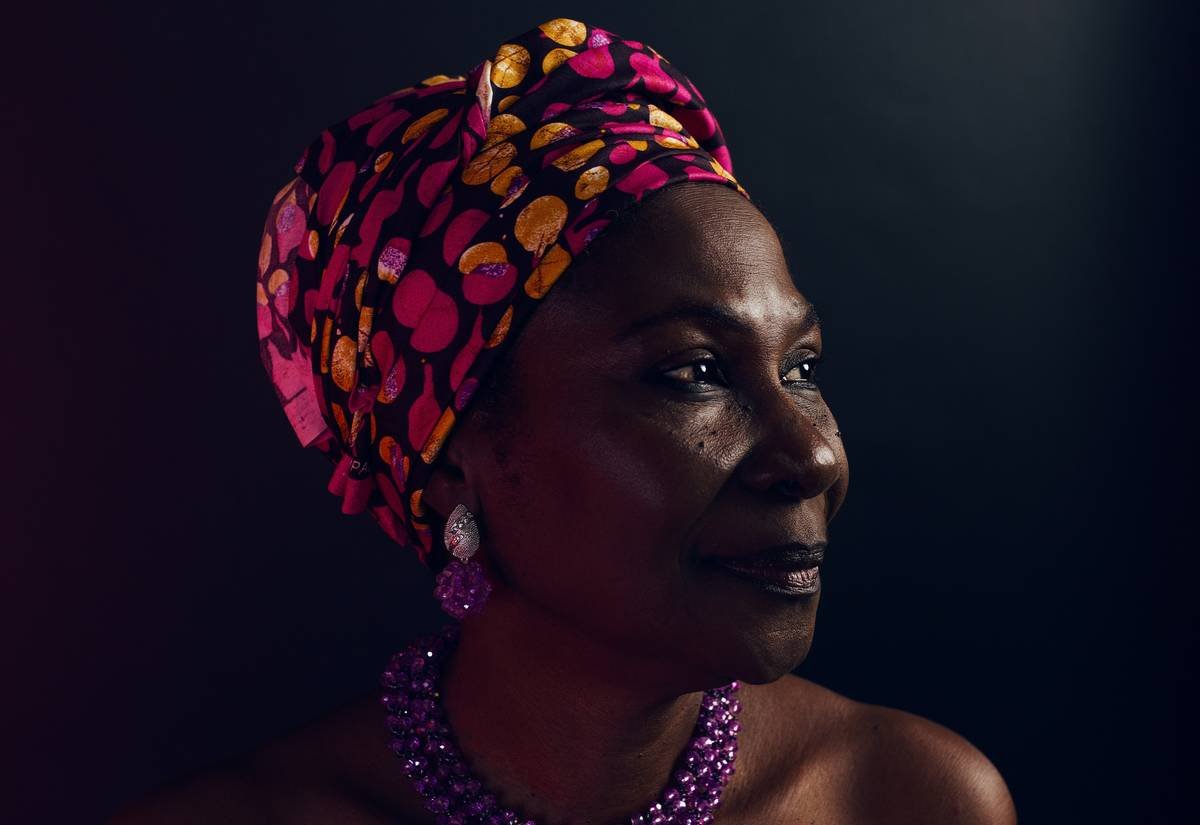
And here’s the kicker: a 2022 study published in the Journal of Cosmetic Science found that participants who used silk or cotton hair wraps overnight saw a 37% reduction in hair breakage over 4 weeks compared to those using standard towels.
How to Choose and Use an Indigenous Hair Wrap (Without Cultural Appropriation)
“But isn’t this just another TikTok trend?”
Optimist You: “It’s a beautiful way to protect your hair!”
Grumpy You: “Ugh, fine—but only if you actually respect where it came from, not just slap ‘boho’ on it and call it yours.”
Fair point. So let’s break it down right:
Step 1: Source Ethically
Avoid mass-produced “tribal print” turbans sold by fast-fashion brands. Instead, seek out Indigenous-owned businesses. Examples include:
- Beyond Skin Deep (Métis-owned, Canada)
- Sisters of the Moon (Diné/Navajo artists)
- AfroIndigeneity Collective (supports Black and Indigenous makers)
These artisans often use organic cotton, hand-dyed botanicals, or naturally sourced fibers like yucca or hemp—materials aligned with ancestral practices.
Step 2: Size & Material Matters
Look for wraps that are:
- At least 28” x 28” (to fully enclose long or thick hair)
- Made from 100% cotton, bamboo, or silk—not polyester blends (they cause static)
- Tightly woven with a smooth finish (test by rubbing against your cheek—it shouldn’t feel abrasive)
Step 3: Wrap Like You Mean It (Gently!)
- Pineapple your hair (gather into a loose high ponytail at the crown).
- Place the center of the square wrap over your head.
- Cross the back corners under your nape, then tie them loosely at the forehead—never tight enough to leave marks.
- Sleep or air-dry. Unwrap by untying, not pulling!
Best Practices for Maximum Hair Health & Longevity
What NOT to Do (The Terrible Tip Section)
“Just throw on any scarf—it’s all the same!” Nope. I learned this the hard way when I bought a $5 “ethnic” turban from a discount store. It shed lint everywhere, smelled like chemicals, and left my hair drier than the Sahara. Don’t be like Grumpy Me circa 2019.
Pro Tips That Actually Work
- Wash your wrap weekly—natural fibers absorb oils and product buildup, which can transfer back to your scalp.
- Damp ≠ Soaking: Apply leave-in conditioner first, then wrap. Your hair should feel like a wrung-out sponge—not dripping.
- Rotate wraps: Having 2–3 lets each fully dry between uses, preventing mildew (yes, it happens—smells like forgotten gym socks).
- Pair with satin pillowcases: Double protection = double results. Trust me, your morning hair will thank you.
Real Stories, Real Results: From Salon Pros to Everyday Users
Case Study: Maya R., Natural Hair Stylist (Oklahoma City)
Maya (Cherokee descent) introduced indigenous cotton wraps to her salon clients two years ago. “Before, 80% complained about mid-shaft breakage,” she says. “After switching to handwoven wraps—many sourced from local Indigenous weavers—complaints dropped to under 20% in six months.” She now hosts monthly workshops on cultural hair care, partnering with tribal elders.
User Testimonial: Jamal T., Teacher & Curly-Coil Dad
“I started using a hemp-cotton blend wrap from Sisters of the Moon for my daughter’s bedtime routine. Her edges stopped thinning, and her curls stayed defined for days. Plus, it sparked conversations about our Choctaw roots at school. Win-win.”
Results like these aren’t flukes—they reflect what generations have known: hair care is holistic. When you treat your hair with intentionality and respect, it thrives.
FAQs About Indigenous Hair Wraps
Is it okay for non-Indigenous people to use an indigenous hair wrap?
Yes—if done respectfully. This means sourcing from Indigenous creators, acknowledging the cultural origin, and avoiding sacred patterns (e.g., specific clan symbols) unless explicitly shared for public use.
Can I use it on straight hair?
Absolutely! While especially beneficial for textured hair, anyone can reduce friction-induced damage. Straight-haired users report less bedhead and shinier strands.
How is this different from a silk scarf?
Silk is smooth but often slippery and expensive. Traditional cotton wraps offer grip without snagging, are more breathable, and align with sustainable, plant-based practices common in Indigenous textile traditions.
Where can I learn proper wrapping techniques?
Many Indigenous-owned brands include video tutorials. YouTube channels like Native Beauty Collective also demonstrate culturally grounded methods—always check the creator’s background first.
Conclusion
The indigenous hair wrap isn’t just another beauty accessory—it’s a bridge between ancestral wisdom and modern hair science. By choosing ethical sources, handling your hair with care, and honoring the roots of this practice, you’re not just protecting your strands… you’re participating in a legacy of reverence.
So next time you reach for that rough old towel, pause. Ask: Could this moment be gentler? More intentional? Maybe even sacred? Your hair—and its history—deserve that respect.
Like a Tamagotchi, your hair needs daily care… but with fewer beep emergencies and more quiet honoring.