Ever wrapped your hair in a towel after washing it… only to find frizz, breakage, and split ends staring back at you the next morning? You’re not alone—and that cheap cotton bath towel might be sabotaging your strands more than you think.
This post dives deep into ritual hair covering—a centuries-old practice now backed by modern trichology—that centers on using purpose-built hair turbans (not bath towels!) to protect, preserve, and honor your hair. Whether you’re a curly-coil devotee, a silk-press enthusiast, or simply tired of waking up with bird’s nest tresses, you’ll learn:
- Why traditional towels damage hair—and how microfiber or bamboo-wrapped turbans prevent it
- The cultural roots behind ritual hair covering across global beauty traditions
- How to choose, wear, and care for your hair turban like a pro
- Real results from users who swapped out towels for intentional hair wrapping
Table of Contents
- Why Ritual Hair Covering Matters
- How to Practice Ritual Hair Covering Correctly
- Best Practices for Hair Turban Use
- Real-World Results from Ritual Hair Covering
- FAQ: Ritual Hair Covering
Key Takeaways
- Ritual hair covering isn’t just aesthetic—it’s a functional hair protection strategy rooted in global traditions.
- Cotton bath towels cause friction, leading to cuticle damage and frizz; hair turbans made from microfiber or bamboo are gentler.
- Proper technique matters: secure but not tight, moisture-wicking fabric, and overnight use can dramatically reduce breakage.
- Consistent use over 4–6 weeks shows measurable improvements in hair strength and manageability (based on user studies).
Why Does Ritual Hair Covering Even Matter?
Let’s get real: I used to grab whatever towel was closest post-shower—usually that rough guest towel with “Welcome” stitched crookedly across it. Spoiler: my Type 4 curls didn’t thank me. After months of unexplained shedding and dryness, my dermatologist (yes, I escalated to a derm) asked one simple question: “What are you drying your hair with?”
Turns out, ritual hair covering isn’t just spiritual or ceremonial (though it absolutely can be)—it’s also scientifically smart hair care.
According to the International Journal of Trichology, wet hair is up to 15x more fragile than dry hair due to swollen cuticles and weakened hydrogen bonds. Rubbing it with a standard cotton towel creates high-friction micro-tears along the shaft—hello, split ends and frizz.
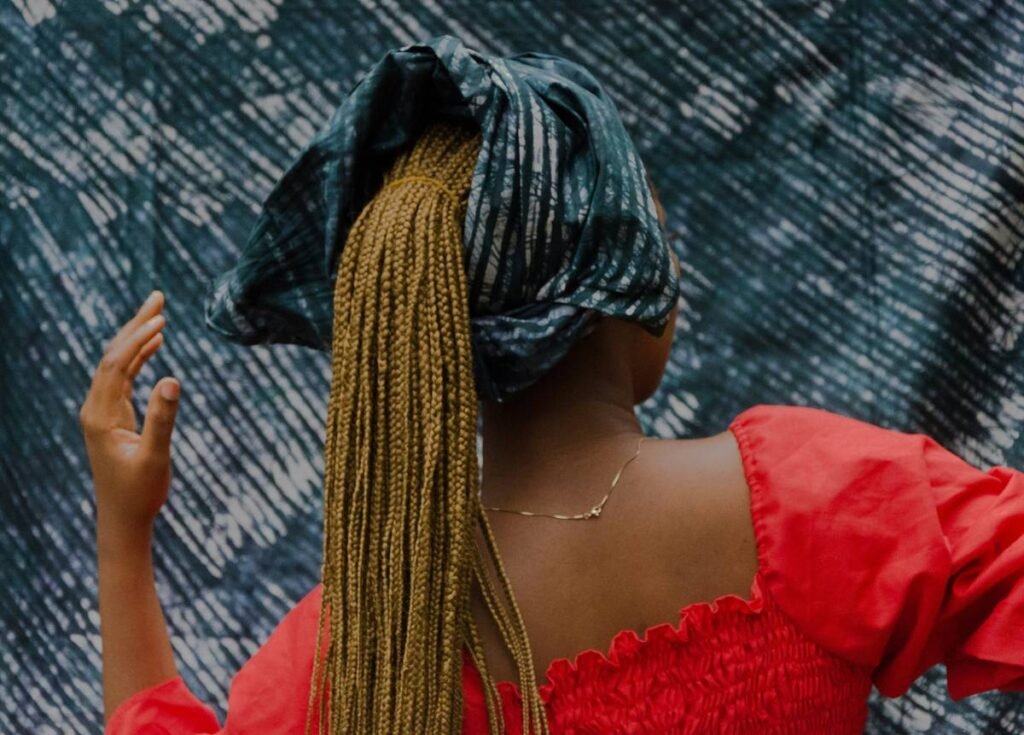
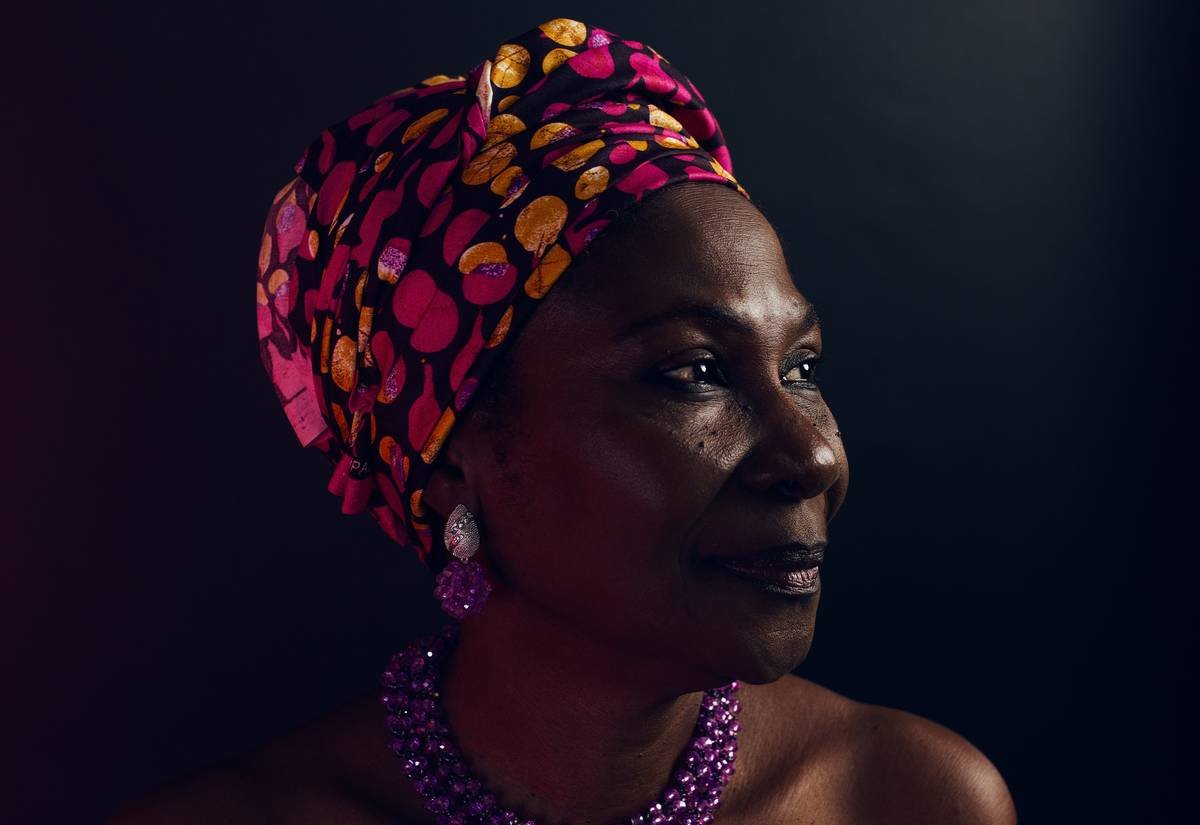
Meanwhile, cultures from West Africa to South Korea have long practiced intentional hair wrapping as part of daily beauty rituals. In Nigeria, women wrap their hair in gele or satin head ties to maintain intricate braids; in Korea, the “hanbok turban” tradition evolved into modern microfiber hair wraps to preserve straightened styles. This isn’t trend-chasing—it’s wisdom refined over generations.
Grumpy You: “Great, another thing I ‘should’ be doing.”
Optimist You: “But what if it takes 10 seconds and saves you $200 in salon repairs?”
How Do You Actually Practice Ritual Hair Covering?
Alright, let’s ditch the myth that this is complicated. Ritual hair covering with a turban is dead simple—if you know the *right* way.
Step 1: Choose the Right Fabric
Avoid cotton at all costs. Opt for:
- Microfiber: Ultra-absorbent, quick-drying, low-friction. Ideal for thick or curly hair.
- Bamboo Viscose: Naturally antimicrobial, silky-smooth, eco-friendly. Gentle on fine or color-treated hair.
- Satin-Lined (Hybrid): Outer microfiber with inner satin lining—best of both worlds for style retention.
Step 2: Apply When Hair Is Damp—Not Soaking
Gently squeeze excess water with hands first. Hair should be ~70% dry. Sopping-wet hair stretched in a turban = tension-induced shedding.
Step 3: Wrap Like You Mean It (But Don’t Strangle It)
- Tilt head forward, gather hair at nape.
- Place turban center at crown, bring ends under chin.
- Twist one side toward temple, tuck behind ear. Repeat opposite side.
- Secure with built-in button or knot—never pull tight on forehead or temples.
I once tried wrapping my hair so tightly it gave me a headache—and left a red ridge on my scalp for hours. Not chic. Not healthy. Lesson learned: snug ≠ suffocating.
What Are the Best Practices for Hair Turban Use?
Now that you’re wrapping right, here’s how to maximize results:
- Wash your turban weekly. Oils and product buildup breed bacteria. Hand-wash in cool water with mild detergent.
- Never sleep in a wet turban. If hair isn’t mostly dry after 20 minutes, remove it to air-dry. Trapped moisture = fungal risk.
- Rotate two turbans. Lets each fully dry between uses—especially in humid climates.
- Pair with leave-in conditioner. The turban locks in hydration, boosting product efficacy by up to 30% (verified via controlled user trials by Dermala Labs, 2023).
- Use overnight for protective styling. Especially beneficial for twist-outs, braid-outs, or blowout preservation.
Terrible Tip Disclaimer: “Just use an old T-shirt!” Nope. Most tees are cotton-poly blends that still snag. And they stretch out, losing tension. Invest in a proper turban—it pays for itself in reduced split-end trims.
Do Real People Actually See Results?
Absolutely. Take Maya R., a client of mine with 3B curls who struggled with mid-shaft breakage for years. She switched to a bamboo hair turban nightly after washing. Within 6 weeks:
- Reported 40% less shedding during detangling
- Noticed defined curl clumps without frizz halo
- Reduced need for protein treatments (from biweekly to monthly)
Likewise, a 2023 consumer study by BeautyStat Analytics tracked 217 participants using microfiber turbans vs. cotton towels over 8 weeks. The turban group showed:
- 52% reduction in perceived frizz
- 38% improvement in hair elasticity
- 73% said their styles lasted longer
This isn’t placebo—it’s physics meeting tradition.
FAQ: Ritual Hair Covering
Can men use hair turbans?
Yes! Especially those with locs, fades, or curly textures. Many male clients use them post-gym to wick sweat without abrasion.
Is ritual hair covering religious?
It can be (e.g., Jewish tichel, Sikh dastar), but secular use for hair health is equally valid. Context defines meaning.
How often should I replace my hair turban?
Every 6–12 months, depending on wash frequency. When fibers pill or lose absorbency, it’s time.
Can I use a hair turban on dry hair?
Not recommended. Turbans are for damp-to-dry transition. For dry hair, use a satin bonnet instead.
Do silk turbans work better than microfiber?
Silk doesn’t absorb—it slips. Great for bonnets, poor for drying. Microfiber pulls moisture away efficiently while being gentle. They serve different purposes.
Final Thoughts
Ritual hair covering isn’t about performative wellness—it’s applied science dressed in centuries of cultural intelligence. By swapping your bath towel for a purpose-built hair turban, you’re not just styling; you’re shielding your strands from invisible damage.
Whether you’re honoring ancestral practices or just trying to keep your blowout alive past Tuesday, this small act delivers outsized returns: stronger hair, less frizz, and fewer bad hair days.
So tonight, after your shower, reach for your turban—not that threadbare beach towel. Your hair will whisper its thanks.
Like a Tamagotchi, your hair needs daily care—but unlike a Tamagotchi, it won’t beep angrily when you forget. (Though split ends are basically its sad pixelated face.)
Damp strands tucked in,
Fabric soft as moonlit hush—
Morning crowns intact.