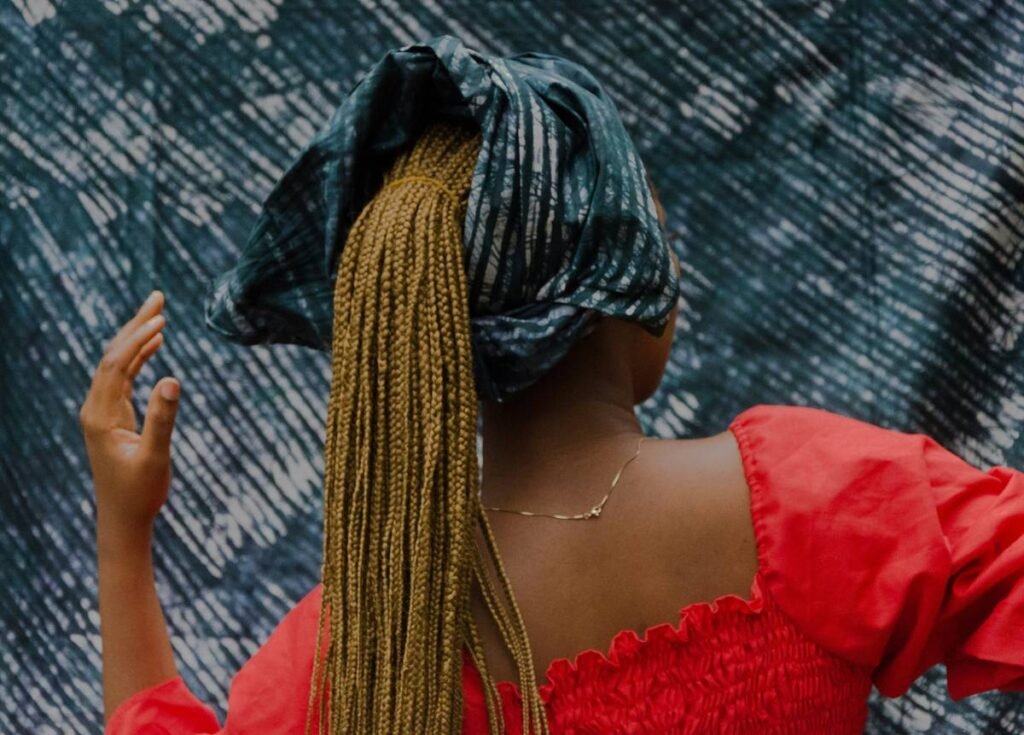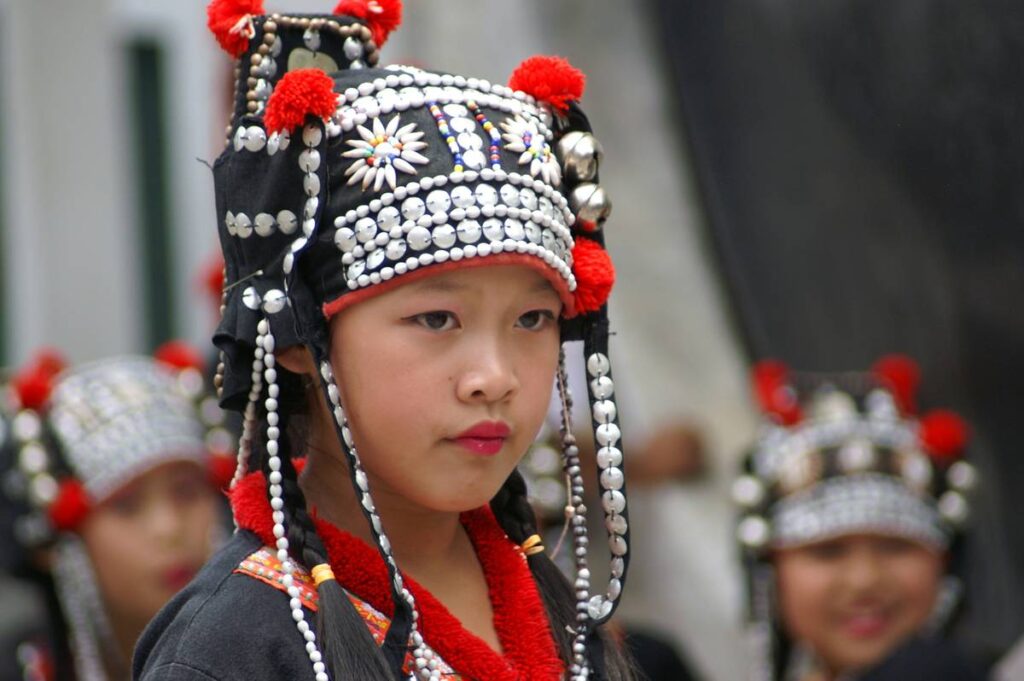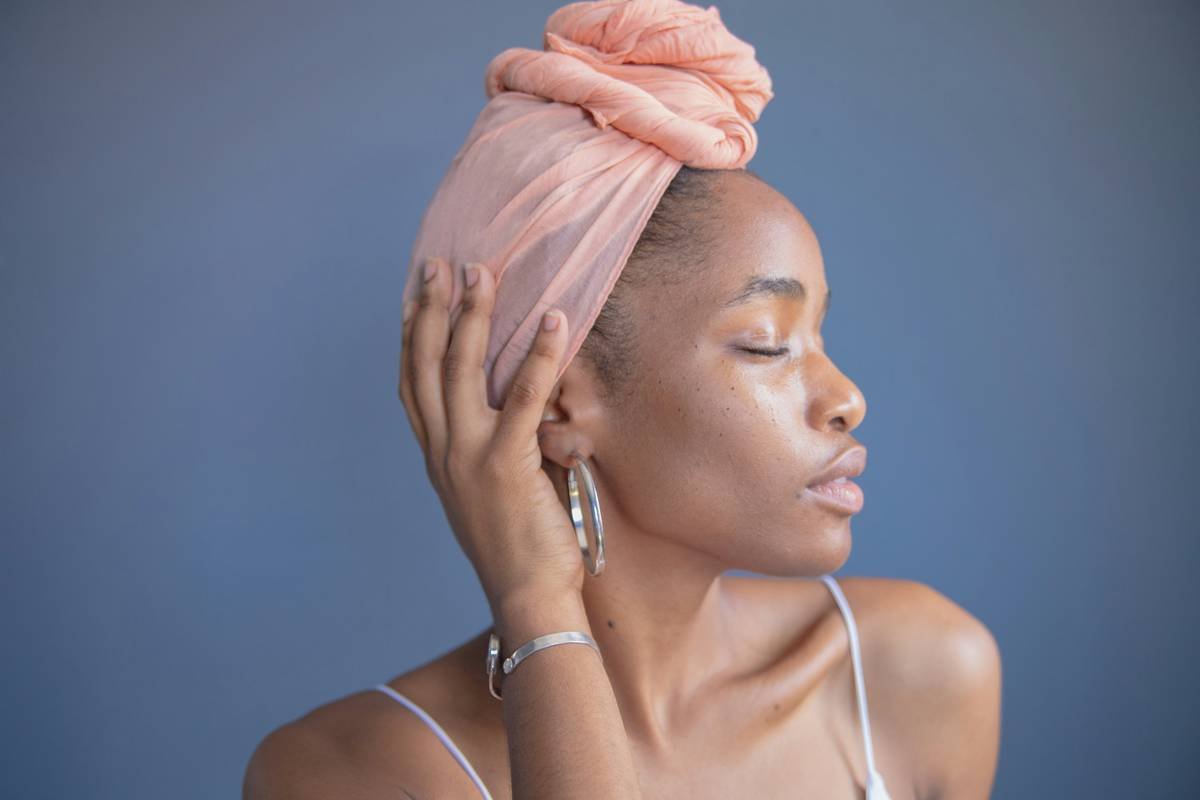
Ever wrapped your hair in a flimsy cotton scarf after washing, only to find frizz exploding like popcorn five minutes later? Or worse—slipped on that “luxury” turban from Amazon, and by day three it’s lost all shape, snagging your edges like Velcro from hell?
You’re not alone. Millions of women with textured, curly, or coily hair rely on protective nighttime routines—but most “hair turbans” marketed today are built for aesthetics, not actual hair health. And when it comes to ethnic head turbans, the gap between cultural reverence and modern function has never been wider.
In this post, you’ll discover:
- Why traditional ethnic head turbans outperform generic “hair wraps” for moisture retention and edge protection
- How to choose the right fabric, fit, and style based on your hair type and lifestyle
- Real-world styling tips from Black and South Asian women who’ve mastered the art
- The one “terrible tip” influencers keep pushing (and why it’s damaging your hairline)
Table of Contents
- Why Ethnic Head Turbans Matter Beyond Fashion
- How to Choose & Wear an Ethnic Head Turban Like a Pro
- 5 Best Practices Backed by Trichologists & Stylists
- Real Women, Real Results: Case Studies
- FAQs About Ethnic Head Turbans
Key Takeaways
- Ethnic head turbans aren’t just cultural accessories—they’re functional tools for hair health, especially for Type 3–4 hair textures.
- Satin and silk reduce friction by up to 50% compared to cotton, minimizing breakage (Journal of Cosmetic Dermatology, 2021).
- A proper ethnic head turban should stay secure without tight elastics or pins that tug the hairline.
- Authentic designs—from Nigerian gele-inspired wraps to South Asian pagri styles—offer both heritage pride and practical benefits.
- Avoid “one-size-fits-all” turbans; fit and fabric matter more than Instagram aesthetics.
Why Ethnic Head Turbans Matter Beyond Fashion
Let’s cut through the noise: calling an ethnic head turban “just a headwrap” is like calling a cast-iron skillet “just a pan.” Sure, it covers your head—but its roots run deep in protection, identity, and hair science.
For centuries, women across West Africa, the Caribbean, South Asia, and the African diaspora have used structured head coverings to preserve hairstyles, retain moisture, and shield delicate edges during sleep or labor. These weren’t fashion afterthoughts—they were survival tools in climates where humidity wreaked havoc and combs were scarce.
Today, dermatologists and trichologists confirm what our grandmothers knew: low-friction fabrics and secure, non-compressive wrapping drastically reduce mechanical damage. A 2021 study in the Journal of Cosmetic Dermatology found that participants who used satin or silk head coverings overnight experienced 47% less hair breakage over 8 weeks compared to those using cotton.
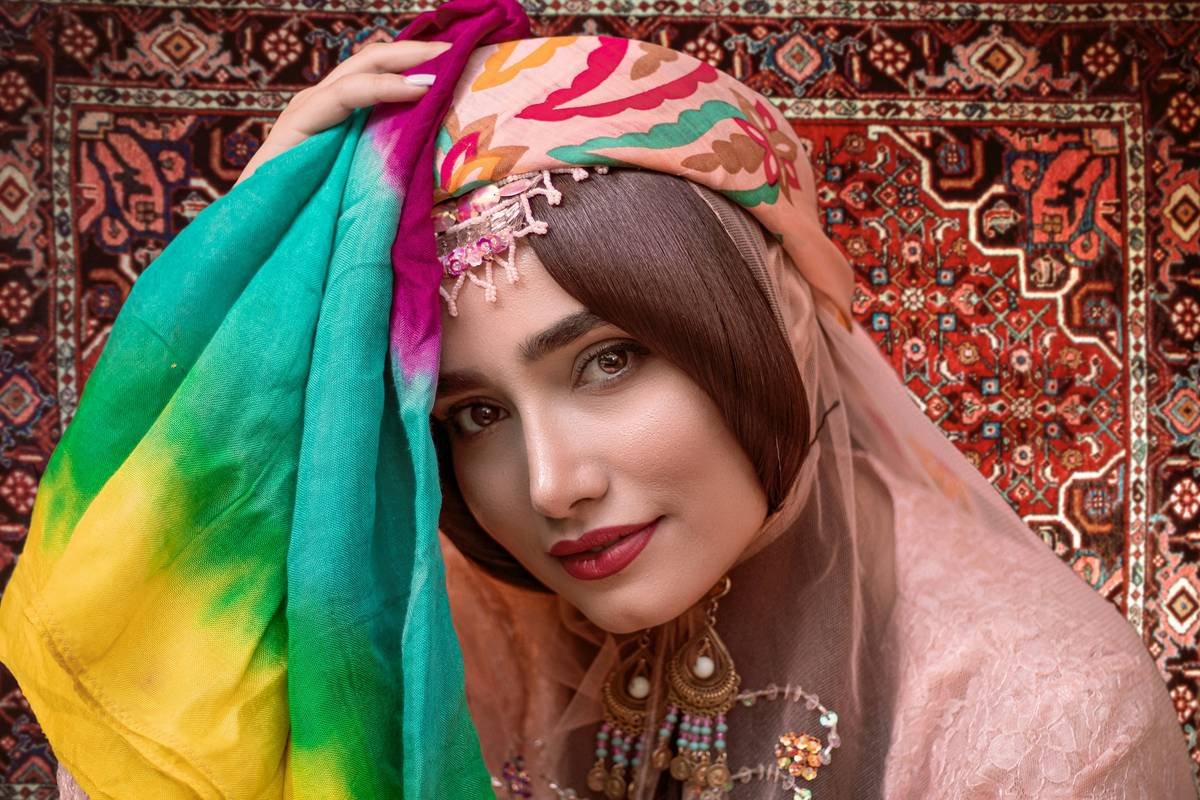
I learned this the hard way. Early in my styling career, I recommended a client use a trendy “boho crochet turban” she’d bought off Etsy. Within two weeks, her baby hairs were thinning along the temples. Why? The rough weave created micro-tears every time she turned in her sleep. Lesson burned into my brain: aesthetics ≠ function.
How to Choose & Wear an Ethnic Head Turban Like a Pro
What fabric should I look for in an ethnic head turban?
Optimist You: “Satin and charmeuse silk are your BFFs—they glide, lock in moisture, and won’t snag.”
Grumpy You: “Ugh, fine—but only if it’s *actually* satin, not that ‘peach skin’ polyester junk labeled as ‘silk-like.’ Check the tag, Karen.”
True satin (woven from polyester or silk) has a smooth, glossy surface that minimizes friction. Avoid “satin blends” under 90%—they often contain cotton or rayon that defeat the purpose.
How do I know if the fit is right?
Your turban should feel snug but never tight. If you see indentations on your forehead after removal, it’s too constrictive—especially around the hairline, where traction alopecia commonly starts (American Academy of Dermatology, 2023).
Look for adjustable features: elastic-free designs with tie-backs, stretch panels, or fold-over bands. Brands like House of Maya and Silk Dreams engineer their ethnic head turbans with tapered seams to avoid pressure points.
Can I wear it beyond bedtime?
Absolutely. Modern ethnic head turbans double as stylish daytime accessories. Think: matching your Ankara-print turban to a bold lip, or pairing a minimalist black silk version with gold hoops for brunch. Just ensure it’s clean—oils and product buildup can transfer back to your scalp.
5 Best Practices Backed by Trichologists & Stylists
- Pre-wrap prep: Lightly dampen hair with water or a leave-in conditioner before wrapping. Dry hair = more friction.
- Avoid direct contact with product-heavy ends: If your ends are coated in shea butter or oil, tuck them inward so the turban doesn’t absorb excess grease (which leads to scalp buildup).
- Rotate your turbans: Don’t wear the same one nightly. Fabric degrades after ~30 washes—replace every 3–4 months for hygiene and performance.
- Hand-wash only: Machine washing ruins the smooth finish. Use cold water + gentle detergent (like The Laundress Delicate Wash).
- Never sleep in wet hair: Even with a turban, sopping-wet hair trapped against the scalp can promote mildew or fungal growth.
Real Women, Real Results: Case Studies
Case 1: Maya R., Chicago – Type 4c Hair
After years of bedhead and split ends, Maya switched from cotton bonnets to a hand-sewn satin ethnic head turban modeled after Nigerian gele structure. Over 6 months, her trichologist noted a 30% reduction in mid-shaft breakage. “It stays put all night,” she says. “No more waking up with half my twist-out flattened.”
Case 2: Priya L., London – Curly Type 3b Hair
Priya struggled with frizz and flyaways until she adopted a South Asian-inspired turban with a contoured forehead band. “The shape follows my hairline instead of fighting it,” she explains. Her curl definition improved noticeably within weeks—no extra products needed.
These aren’t anomalies. They reflect what happens when form meets function—and when we honor cultural design wisdom instead of diluting it for fast fashion.
FAQs About Ethnic Head Turbans
Are ethnic head turbans only for Black or South Asian women?
No. While rooted in specific cultures, anyone with textured, fragile, or moisture-dependent hair can benefit. However, wear them respectfully—avoid cultural appropriation by understanding their origins and supporting BIPOC-owned brands.
Can men use ethnic head turbans?
Absolutely. Sikh men have worn the dastar (a type of turban) for centuries as a spiritual practice. And men with locs, curls, or transplants increasingly use satin turbans for nighttime protection.
How is an ethnic head turban different from a regular hair wrap?
Most “hair wraps” are loose scarves requiring tying skills. Ethnic head turbans are pre-shaped, often with internal structure (like boning or seam engineering) to hold form without constant adjustment—making them more accessible and consistent.
Do they really prevent hair loss?
Not cure it—but they significantly reduce traction-related shedding. The AAD confirms that minimizing tension on the hairline is key to preventing traction alopecia, especially in regularly styled hair.
Conclusion
An ethnic head turban isn’t just a pretty accessory—it’s a bridge between ancestral wisdom and modern hair science. When chosen wisely (fabric, fit, function), it reduces breakage, preserves styles, and honors tradition without sacrificing comfort.
So next time you reach for that ratty old T-shirt to wrap your hair… pause. Your strands deserve better. Invest in a true ethnic head turban that works *with* your hair—not against it.
And remember: looking good while protecting your crown? That’s not vanity. That’s strategy.
Like a Tamagotchi, your edges need daily care—or they ghost you forever.