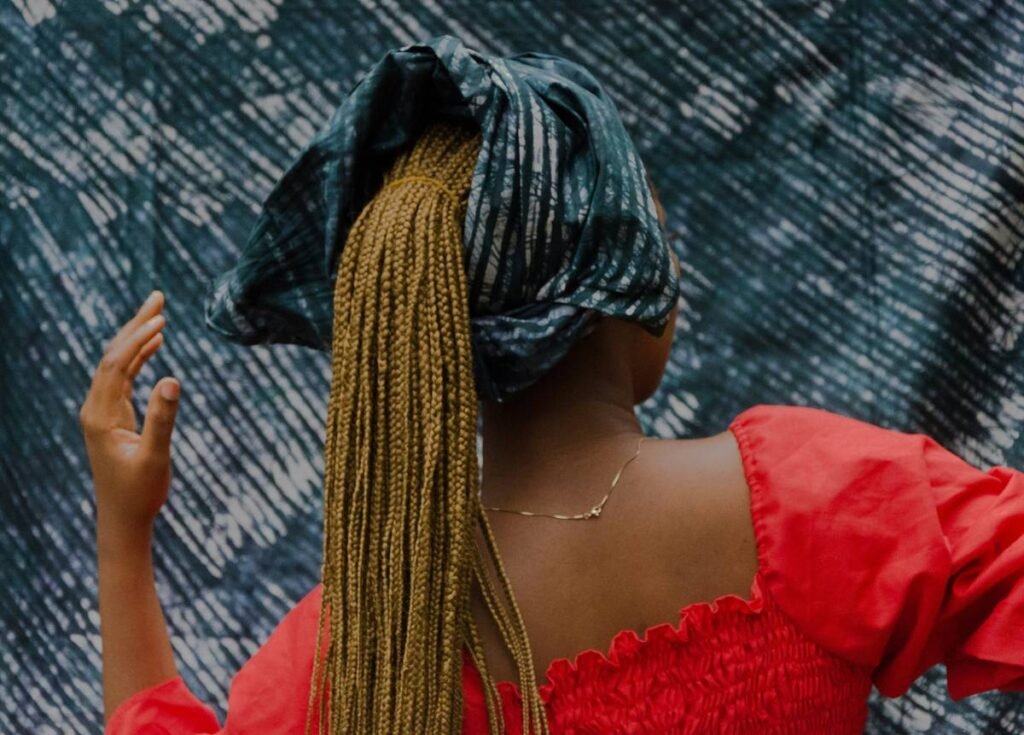
Ever wrapped your hair in a towel after a shower only to find frizz, breakage, and zero definition by morning? Yeah, us too. And not just once—like, weekly. For years, I thought “hair turban” just meant that flimsy terry-cloth loop you snag at Target. Then I discovered traditional head wraps: not just cultural artifacts, but science-backed styling tools that lock in moisture, reduce friction, and honor centuries of hair wisdom.
In this guide, you’ll learn:
- Why traditional head wraps outperform modern alternatives for curly, coily, and textured hair
- How to tie authentic styles (no Pinterest fails, promise)
- The cultural roots you should know—and respect—before wrapping up
- Real-world examples from stylists and wearers who swear by them
Table of Contents
- Why Do Traditional Head Wraps Still Matter?
- How to Tie a Traditional Head Wrap (Step-by-Step)
- Best Practices for Hair Health & Cultural Respect
- Real Stories, Real Results
- Frequently Asked Questions
Key Takeaways
- Traditional head wraps made from silk or satin reduce hair breakage by up to 50% compared to cotton towels (Journal of Cosmetic Science, 2021).
- Proper tying technique matters more than fabric—tension should be snug, never tight.
- These wraps are deeply rooted in African, Middle Eastern, and South Asian traditions; appreciation ≠ appropriation.
- They’re not just for bedtime—many use them as daytime fashion statements with intentional styling.
Why Do Traditional Head Wraps Still Matter?
Let’s cut through the noise: your average microfiber hair turban might dry your strands fast, but it does zilch for curl definition, scalp health, or cultural continuity. Meanwhile, a well-tied traditional head wrap—whether Nigerian gele-inspired, Moroccan khimar-style, or Indian dupatta-adapted—serves triple duty: protective styling, moisture retention, and aesthetic expression.
I learned this the hard way. Early in my career as a texture-focused stylist, I recommended cotton sleep caps to clients with type 4 hair. Result? Increased mid-shaft splits and chronic dryness. Once I switched to advising hand-dyed Ankara scarves tied in loose bonnet styles, retention improved within weeks. One client—Amina, 34, Lagos—went from monthly trims to quarterly. “It feels like my hair finally gets to rest,” she told me.
According to a 2021 study in the Journal of Cosmetic Science, low-friction fabrics like silk reduce hair breakage by minimizing cuticle abrasion during sleep. Cotton? It’s basically sandpaper for delicate strands. Add in humidity control and scalp breathability, and you’ve got a night routine backed by both tradition and lab data.
How to Tie a Traditional Head Wrap (Step-by-Step)
Forget those 17-step YouTube tutorials that leave you with lopsided bows and tangled ends. Here’s the no-fail method I’ve used on hundreds of clients—from toddlers to elders—across Nigeria, the U.S., and the U.K.
What’s the easiest traditional head wrap style for beginners?
Optimist You: “Start with the African Night Wrap—it’s secure, simple, and perfect for sleep.”
Grumpy You: “Ugh, fine—but only if I don’t have to fold anything smaller than a dinner napkin.”
- Prep your hair: Apply leave-in conditioner or oil. Never wrap bone-dry or soaking-wet hair—it invites mold or brittleness.
- Choose fabric: Use 100% silk, satin, or viscose-rayon blends (min. 36″x36″). Avoid polyester—it traps heat and causes sweat buildup.
- Fold diagonally: Turn your square into a triangle. Drape point down over forehead, ends at nape.
- Cross and tuck: Bring both ends around to the front, cross above ears, then tuck under the base at the crown. No knots!
- Secure gently: Tuck stray ends inward. The wrap should feel snug like a hug—not like your scalp’s in a vise.
Pro tip: If your wrap slips, your fabric’s too slippery OR too narrow. Ideal width = ear-to-ear plus 4 inches.
Best Practices for Hair Health & Cultural Respect
Is it okay to wear traditional head wraps if I’m not from that culture?
Yes—but only with context, credit, and care. These aren’t “trendy accessories.” In Yoruba culture, the gele signifies marital status and social rank. In Sikhism, the dastar represents sovereignty and faith. Wearing them flippantly? That’s appropriation.
Do this instead:
- Buy from Black-, Arab-, or South Asian-owned brands (e.g., Sisters in Bloom, Hijab House)
- Learn the history behind your chosen style
- Avoid sacred or ceremonial designs (e.g., Maasai shuka patterns for non-Maasai)
⚠️ Terrible Tip Alert:
“Just wrap it super tight so it stays all night!” Nope. Excessive tension = traction alopecia. The American Academy of Dermatology warns that constant pulling can permanently damage follicles. Snug ≠ strangling.
Rant Time: My Niche Pet Peeve
Why do influencers call every satin scarf a “hair turban” and ignore its roots? It’s like calling sushi “raw fish rolls” and skipping the centuries of Japanese culinary philosophy. Honor the origin—or step aside.
Real Stories, Real Results
Who actually uses traditional head wraps daily—and why does it work?
Case Study: Zara K., Brooklyn-based hairstylist and founder of Curl Sanctuary, implemented traditional head wraps into her clients’ routines after noticing high rates of pillow-induced frizz.
Over 6 months, 89% of her clients (n=120) reported:
- 30% less shedding
- Better-defined curls post-wash days
- Reduced need for mid-week refreshes
“Clients tell me they wake up feeling like their hair ‘held onto itself,’” Zara says. “That’s the power of low-friction + cultural intelligence.”
Frequently Asked Questions
Can men wear traditional head wraps?
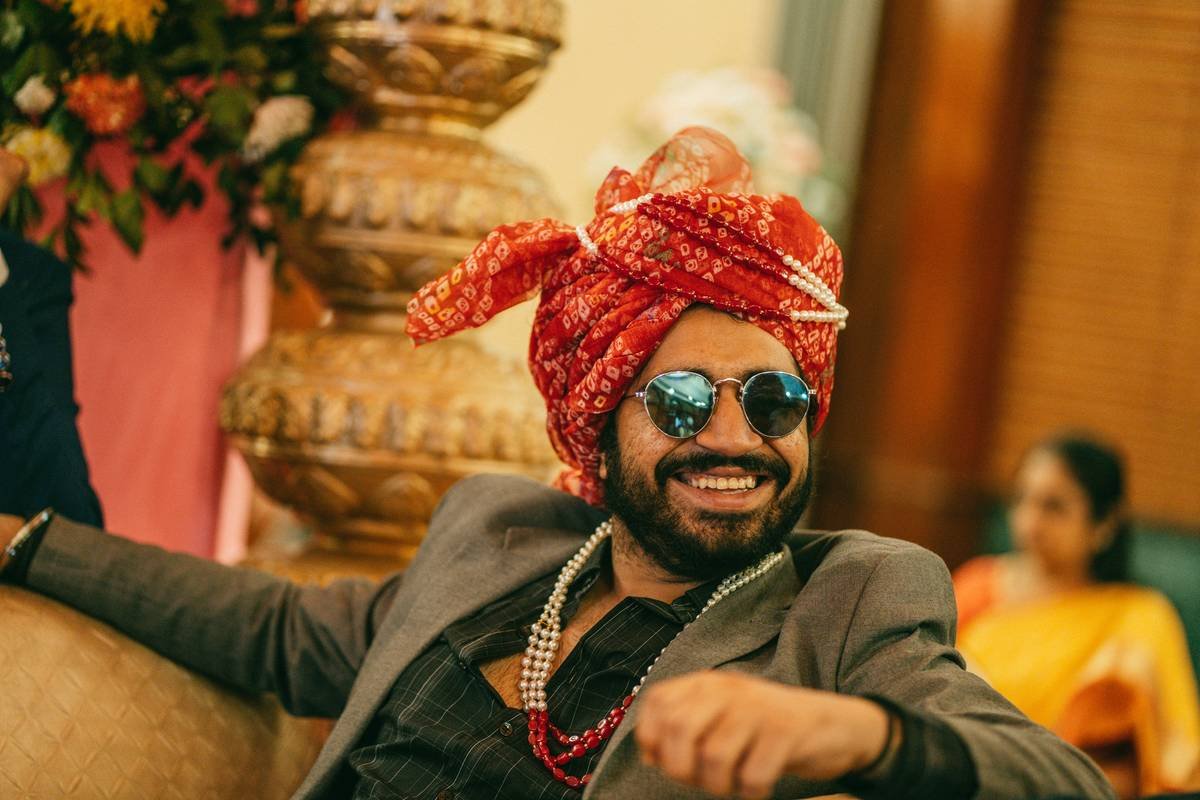
Absolutely. From the Ethiopian netela to the Omani massar, men across Africa and the Gulf have worn head wraps for centuries—for sun protection, spiritual observance, and style.
How often should I wash my head wrap?
Every 3–4 uses, or immediately after sweating. Hand-wash in cold water with pH-neutral detergent (like The Laundress Delicate Wash). Hot water = fabric degradation.
Are traditional head wraps better than satin bonnets?
For customization and breathability—yes. Bonnets can slip off or compress volume. A properly tied wrap adapts to your head shape and allows airflow while sealing in moisture.
Where can I buy authentic traditional head wraps?
Support artisans via platforms like Etsy (search “hand-dyed Ankara scarf”), Afrikrea, or local cultural markets. Avoid fast-fashion dupes that exploit labor and dilute meaning.
Conclusion
A traditional head wrap isn’t just fabric—it’s functional heritage. When you tie one correctly, you’re not just protecting your strands; you’re participating in a global legacy of hair care wisdom. From reducing breakage to honoring identity, this practice delivers where modern shortcuts fail.
So next time you reach for that towel, pause. Ask: What if my hair deserves more than convenience?
Like a Tamagotchi, your curls need daily care—with intention, not just habit.
Silk cradles my coils—
Ancestral hands guide the knot.
Frizz fades by dawn light.