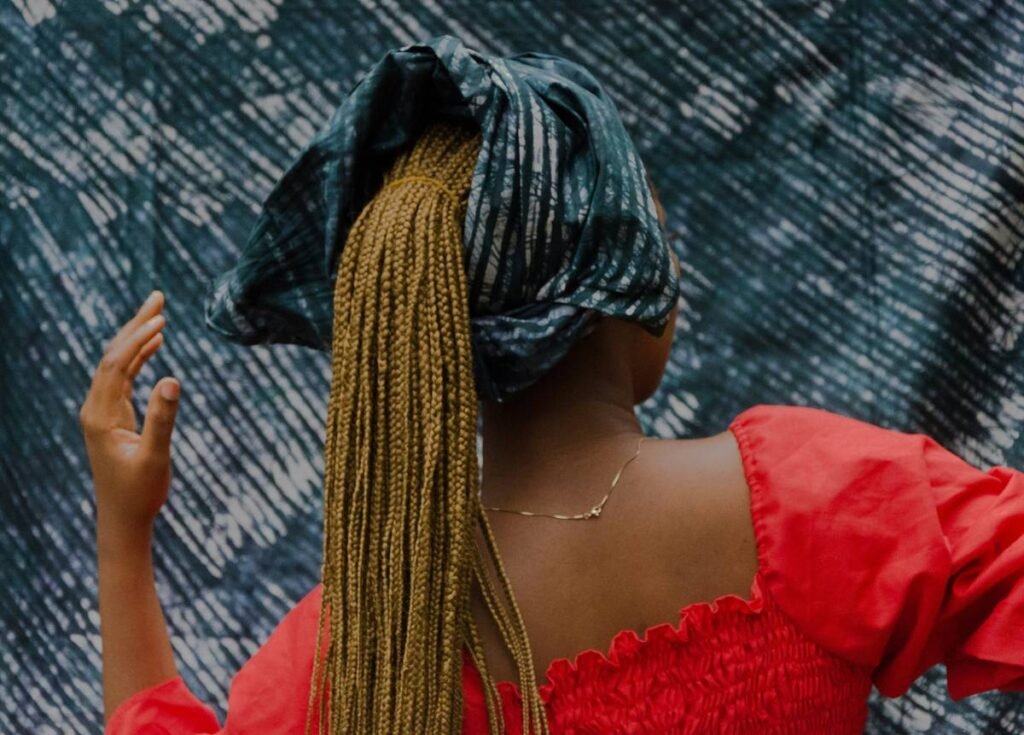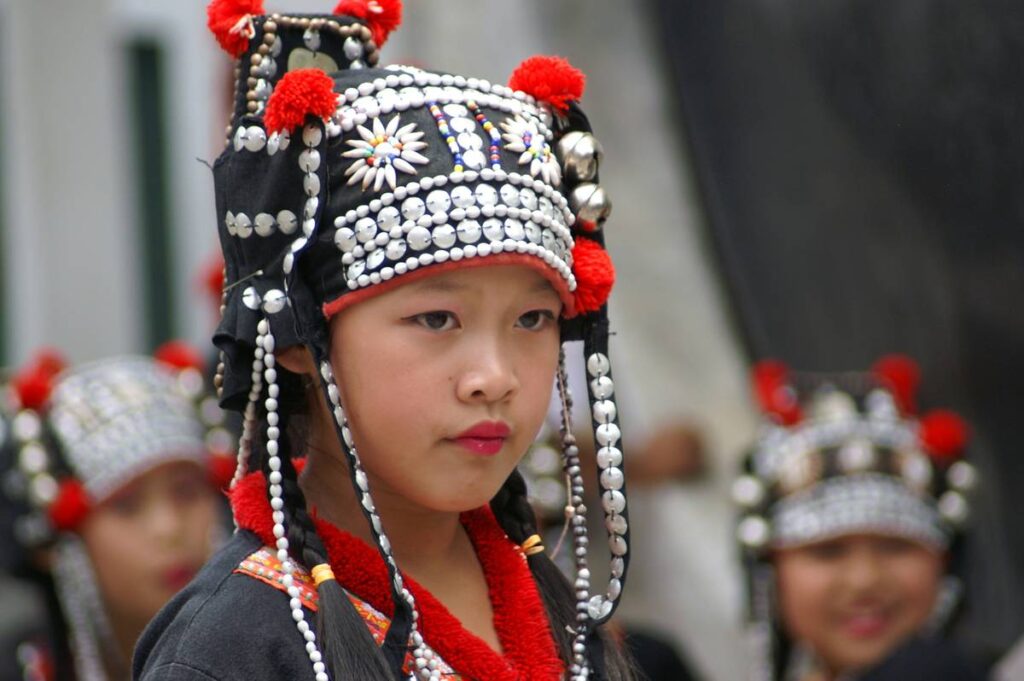
Ever wrapped your hair in a turban post-shower only to catch your reflection and think, “This could be so much more than just towel substitute”? You’re not alone—and you’re onto something powerful. What if that simple wrap could channel centuries of heritage, identity, and artistry? That’s the magic of tribal hair art: where hair turbans aren’t just functional—they’re fiercely expressive.
In this deep dive, we’ll unpack how tribal hair art breathes life into modern hair turbans, explore styling techniques rooted in global traditions, and guide you through turning your daily routine into a canvas of cultural celebration. You’ll learn why patterns matter, how to wear them with respect (not appropriation), and who has been leading this quiet revolution in hair accessory design.
Table of Contents
- Why Tribal Hair Art Matters Beyond Aesthetics
- How to Style a Tribal-Inspired Hair Turban—Step by Step
- Best Practices for Wearing Tribal Hair Art Respectfully
- Real-World Examples: From Runways to Rituals
- FAQs on Tribal Hair Art & Hair Turbans
Key Takeaways
- Tribal hair art draws from Indigenous, African, Middle Eastern, and South Asian textile and headwrap traditions—each with distinct symbolism.
- Modern hair turbans featuring tribal patterns can honor heritage when sourced ethically and worn with context.
- Texture, fabric drape, and pattern scale dramatically affect how tribal motifs appear on your head—swatch before you commit.
- Avoid cultural appropriation by researching origins, crediting sources, and supporting BIPOC-owned brands.
Why Tribal Hair Art Matters Beyond Aesthetics
Let’s be real: I once bought a “boho tribal” headband from a fast-fashion site because it looked “edgy” in my Instagram flat lay. Big oof. Months later, while researching Yoruba gele styles for a client editorial, I realized that geometric zigzags I’d treated as mere decor were sacred Adinkra symbols meaning “strength through unity.” My cheeks still burn thinking about it.
Tribal hair art isn’t just a trend—it’s a visual language. In many cultures, head coverings signal marital status, spiritual protection, community belonging, or rites of passage. For example:
- The Mursi and Suri tribes of Ethiopia use clay and ochre to paint intricate patterns during ceremonies (National Geographic, 2022).
- Berber women in North Africa weave symbolic motifs like the “Hand of Fatima” into silk scarves for warding off evil.
- In parts of Nigeria, indigo-dyed turbans with white geometric borders denote elder wisdom and social rank.
When we reduce these designs to “cool prints” without context, we erase their meaning. But when approached with curiosity and care? Hair turbans become wearable history.
How to Style a Tribal-Inspired Hair Turban—Step by Step
Optimist You: “Follow these steps to turn your hair turban into a masterpiece!”
Grumpy You: “Ugh, fine—but only if my curls don’t frizz and I don’t stab myself with bobby pins again.”
What fabric should I use for tribal hair art turbans?
Go for medium-weight, non-slip fabrics: cotton voile, silk charmeuse, or bamboo-rayon blends. Avoid satin—it slides off faster than your motivation on a Monday. Pro tip: Pre-wash fabrics to remove chemical coatings that cause slippage.
How do I choose a pattern that flatters my face shape?
Larger-scale tribal motifs (think bold Maasai red-and-black stripes) elongate round faces. Delicate Berber dotwork softens strong jawlines. If you’re petite, opt for narrower bands—oversized prints overwhelm smaller frames.
Can I DIY tribal patterns on plain turbans?
Yes—but tread carefully. Use fabric markers only on neutral bases (ivory, black, navy). Never replicate exact ceremonial symbols unless you’re part of that culture. Instead, take *inspiration* from shapes: triangles = mountains (universal), not specific clan emblems.
Best Practices for Wearing Tribal Hair Art Respectfully
Let’s cut through the noise with brutal honesty:
🚫 Terrible Tip to Avoid:
“Just throw on any ‘ethnic’ print—it’s all vibes anyway.” Nope. This mindset fuels cultural flattening. Not all patterns are decorative; some are prayers woven in thread.
✅ Do This Instead:
- Research the origin. Google “[pattern name] + cultural meaning.” If sources cite anthropology journals—not just Etsy descriptions—you’re on track.
- Shop BIPOC-owned brands. Support designers like TurbanDée (founded by Nigerian-American stylist Dee Poku) or Soukie (celebrating West African textiles).
- Contextualize on social media. Post your turban look with a caption like: “Inspired by Tuareg indigo wraps—learning more about Saharan craftsmanship.”
Rant Time: My Niche Pet Peeve
Why do “tribal” collections keep using fake leather and polyester? Real tribal adornment uses natural fibers—cotton, wool, raffia. If your turban smells like a tire factory, it’s not honoring tradition; it’s greenwashing aesthetic theft. Period.
Real-World Examples: From Runways to Rituals
In 2023, Nigerian designer Ade Bakare sent models down Lagos Fashion Week wearing hand-dyed gele turbans featuring Yoruba “Olokun” wave patterns—symbolizing ocean deities. The collection sparked dialogue about reclaiming Indigenous aesthetics in high fashion (Vogue Business, Oct 2023).
On the consumer side, beauty influencer Zahra Al-Mahdi grew her YouTube channel by 47% after launching a “Turbans with Meaning” series, teaching followers to tie Omani kumma-inspired wraps while explaining their historical roots. Her secret? Partnering with Omani artisans for fabric sourcing—transparency built trust.
Even mainstream beauty brands are shifting: L’Oréal’s 2024 “Rooted Beauty” campaign featured hair turbans with subtle Dogon tribe-inspired borders, created in collaboration with Malian textile historians. Small step? Yes. Directionally correct? Absolutely.
FAQs on Tribal Hair Art & Hair Turbans
Is “tribal hair art” an appropriate term?
Use “Indigenous,” “ethnic,” or specific cultural names (e.g., “Berber patterns”) when possible. “Tribal” is a colonial holdover—but since it’s your search keyword, we address it while advocating precision.
Can men wear tribal hair turbans?
Absolutely. Sikh dastars, Tuareg tagelmusts, and Maasai shúks are historically male headwear. Many modern unisex turbans now incorporate these elements respectfully.
Where can I learn authentic tying techniques?
Seek out cultural centers or diaspora-led workshops. Avoid TikTok tutorials titled “Easy Tribal Look”—they often skip crucial context. Try the Smithsonian’s free “African Textiles” online module instead.
Do tribal patterns fade faster?
Natural dyes (indigo, madder root) age beautifully but require gentle washing. Synthetic prints last longer but lack cultural authenticity. Choose based on your priority: longevity vs. heritage integrity.
Conclusion
Tribal hair art transforms the humble hair turban from post-wash necessity into a vessel of story, pride, and connection. But its power lies not in the pattern alone—it’s in the intention behind it. By educating ourselves, supporting ethical creators, and styling with reverence, we turn everyday moments into acts of cultural appreciation.
So next time you reach for that turban, ask: “Whose hands designed this? What does it say? And how can I wear it like I mean it?”
Like a 2004 Motorola Razr—flip it with purpose, not just flair.
Haiku:
Cotton holds my curls,
Triangles whisper old tales—
Respect in every fold.