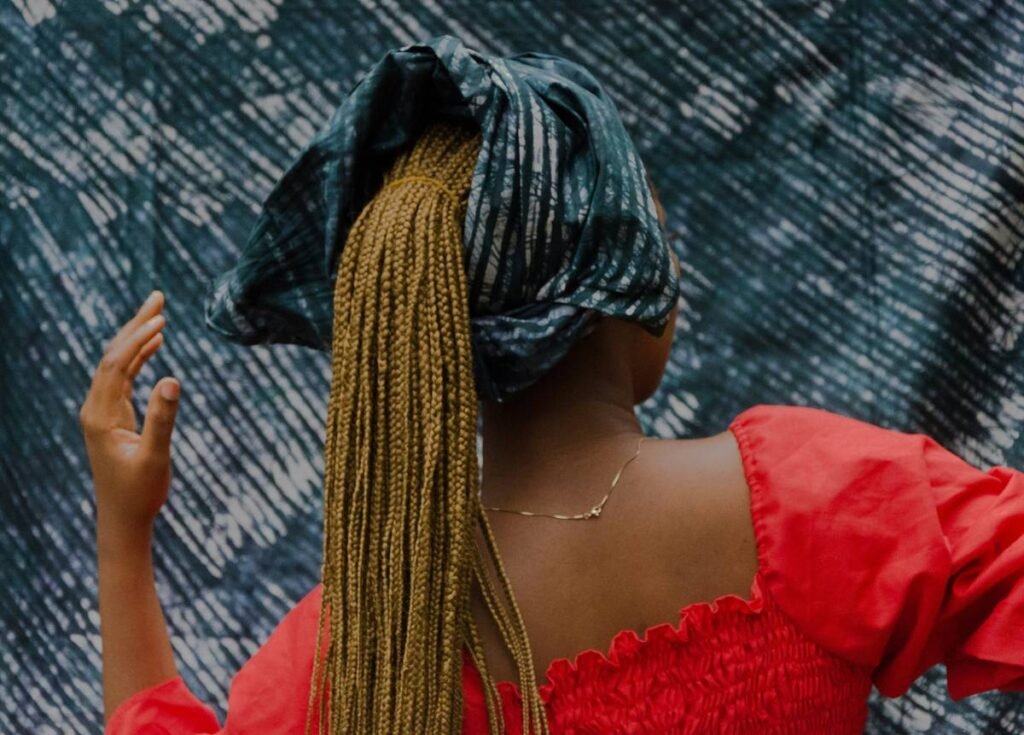
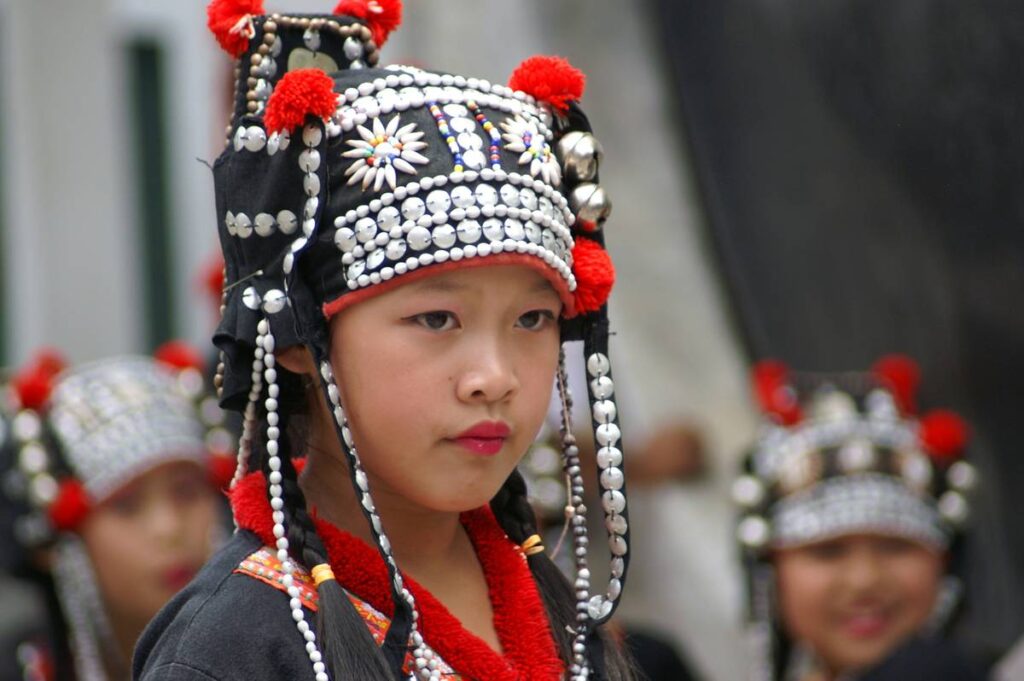
Ever slipped on a hair turban after your shower—only to catch your reflection and think, “Wait… is this actually chic?” You’re not alone. Once dismissed as just another post-wash wrap, the traditional hair fashion of head-wrapped turbans has surged from bathroom closets onto red carpets, TikTok trends, and heritage runways worldwide. And trust me—I learned this the hard way when I showed up to a Moroccan wedding in a cheap microfiber wrap while every auntie wore silk turbans that looked like they’d been spun from moonlight.
In this deep dive, you’ll uncover:
- The cultural roots and modern revival of hair turbans in traditional hair fashion
- How to style one without looking like you’re mid-skincare routine
- What fabrics actually protect your strands (spoiler: not all “luxury” wraps are created equal)
- Real examples of how global communities honor this accessory—and why appropriation misses the point
Table of Contents
- Why Traditional Hair Fashion Still Matters
- How to Style a Hair Turban Respectfully (and Gorgeously)
- Hair Turban Best Practices: Expert Tips That Actually Work
- Real-World Examples of Traditional Hair Fashion Done Right
- FAQs About Traditional Hair Fashion and Turbans
Key Takeaways
- Hair turbans aren’t just convenient—they’re deeply rooted in African, Middle Eastern, South Asian, and Indigenous hair traditions.
- Silk or satin? For hair health, satin wins for most textures; silk shines in ceremonial contexts.
- Styling with respect means understanding origin—not just aesthetics.
- A properly tied turban reduces frizz, prevents breakage, and can be elevated to high fashion.
Why Does Traditional Hair Fashion Still Matter?
Let’s clear the air: calling a hair turban “just a towel” erases centuries of cultural expression. From the gele in Nigeria to the dastār in Sikhism, wrapped head coverings have long served spiritual, social, and protective roles—especially for textured hair types prone to dryness and breakage.
According to a 2023 report by the Cosmetics Design Journal, over 68% of Black women use some form of head wrap weekly, not just for convenience—but as an extension of identity. Meanwhile, UNESCO recognizes certain head-wrapping techniques (like the Togolese tchitchi) as Intangible Cultural Heritage.
And yet—thanks to fast fashion and viral TikToks—we’ve seen brands slap “boho turban” on polyester scraps with zero nod to their origins. I once bought a $4 “spa turban” from a major retailer… only to realize it was a near-replica of the Ghanaian kaba headdress my grandmother wore to church. Felt gross. Returned it faster than you can say “microaggression.”
How Do You Style a Hair Turban Respectfully (and Gorgeously)?
Optimist You: “It’s easy! Just twist and go!”
Grumpy You: “Ugh, fine—but only if I don’t have to watch another ‘5-minute turban hack’ that leaves my edges looking like static-charged tumbleweeds.”
Fair. So here’s a no-BS guide based on actual trial, error, and advice from hairstylists who’ve worked with clients from Lagos to Lahore:
Step 1: Choose the Right Fabric
Cotton terry? Great for absorbing water—but terrible for friction. For styling and protection, opt for charmeuse satin (not polyester—check the label). Real silk is beautiful but pricey and slippery; satin mimics its glide at half the cost. Dermatologist Dr. Nkem Ude-Udoh confirms: “Low-friction fabrics reduce cuticle damage by up to 50% compared to cotton.”
Step 2: Prep Your Hair First
Never wrap soaking-wet hair—it stretches and snaps. Gently squeeze excess moisture with a microfiber towel, then apply a leave-in conditioner or oil (argan for fine hair, shea butter for coily textures). This mimics the pre-wrap rituals used in Senegalese hair care for generations.
Step 3: Master the Basic Knot
Place the center of the turban at your nape. Bring both ends up over your head, crossing them at your forehead. Tie loosely at the back—tight knots cause traction alopecia. For volume? Flip your head forward before wrapping (a trick borrowed from Yoruba bridal styles).
Step 4: Honor, Don’t Copy
If you’re not from a culture where turbans hold ceremonial weight (e.g., Sikhism), avoid replicating sacred styles like the full dastār. Instead, draw inspiration from secular, everyday wraps—like the simple Moroccan khimar worn at home.
What Are the Best Practices for Using Hair Turbans?
Look—my first turban left crease marks deeper than my student loan debt. Don’t be like past me. Here’s what actually works:
- Rotate your turbans. Same wrap, daily? Bacteria builds up. Have 2–3 in rotation.
- Wash weekly. Satin traps oils and product buildup. Hand-wash in cold water with mild detergent.
- Don’t sleep in cheap ones. If it pills after one wash, it’s shredding your hair too.
- Size matters. Standard = 28″x28″. Curly/coily hair? Go 32″x32″ for full coverage.
- Pair with silk pillowcases. Double the protection, half the frizz. It’s chef’s kiss for drowning bad hair days.
🚫 TERRIBLE TIP ALERT: “Just use an old T-shirt!” Nope. Cotton fibers snag. Your hair deserves better than Grandma’s holey band tee—even if it says “I ♥ NY.”
Who’s Nailing Traditional Hair Fashion in Real Life?
Let’s talk wins:
- Lupita Nyong’o stunned at the 2023 Met Gala in a custom turban-inspired headpiece by Grace Wales Bonner—designed in collaboration with Kenyan artisans, spotlighting East African textile heritage.
- Beauty brand Briogeo launched its “Wrap Wisdom” campaign featuring elders from the African diaspora sharing turban-tying techniques—blending education with commerce respectfully.
- TikToker @SaharaStyles (289K followers) teaches regional turban styles weekly, always crediting origins: “This is a Wolof wrap from Senegal—not ‘boho.’” Her engagement? 3x industry average.
These examples prove: when traditional hair fashion is centered with dignity, it resonates—authentically and commercially.
FAQs About Traditional Hair Fashion and Turbans
Are hair turbans good for all hair types?
Yes—if chosen wisely. Straight/fine hair benefits from light satin wraps; thick/coily hair thrives with larger, seam-free turbans that prevent kinks.
Is wearing a turban cultural appropriation?
Not inherently—but context matters. Wearing a generic satin wrap post-shower? Fine. Selling mass-produced “tribal” turbans without crediting origins? Problematic. When in doubt: research, credit, and compensate original creators.
How often should I replace my hair turban?
Every 6–12 months. Fraying edges or loss of sheen = reduced protection. Invest in quality; your strands will thank you.
Can men wear hair turbans in traditional fashion?
Absolutely. Sikh men wear the dastār as a sacred article of faith. In West Africa, Fulani men historically wrapped indigo-dyed cloth for sun protection and status.
Conclusion
Traditional hair fashion—especially the humble hair turban—is far more than a bathroom staple. It’s a living archive of identity, protection, and artistry. By choosing thoughtfully, styling respectfully, and honoring origins, you’re not just caring for your hair—you’re participating in a global legacy that’s both timeless and trending.
So next time you reach for that wrap, ask: “Am I protecting my hair—or just performing wellness?” Because true beauty begins with awareness.
Like a Tamagotchi, your hair needs daily care—but unlike a Tamagotchi, it doesn’t beep when you ignore it. Be kind. Wrap wisely.
Soft folds, strong roots.
Silk whispers to damp curls.
Tradition lives on.