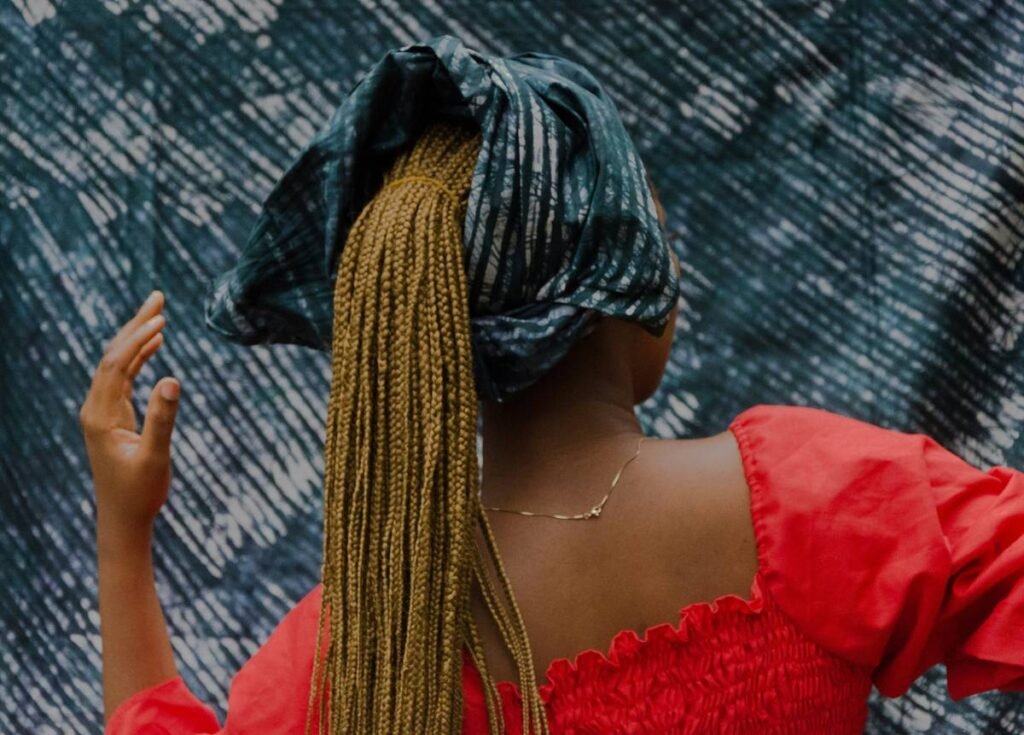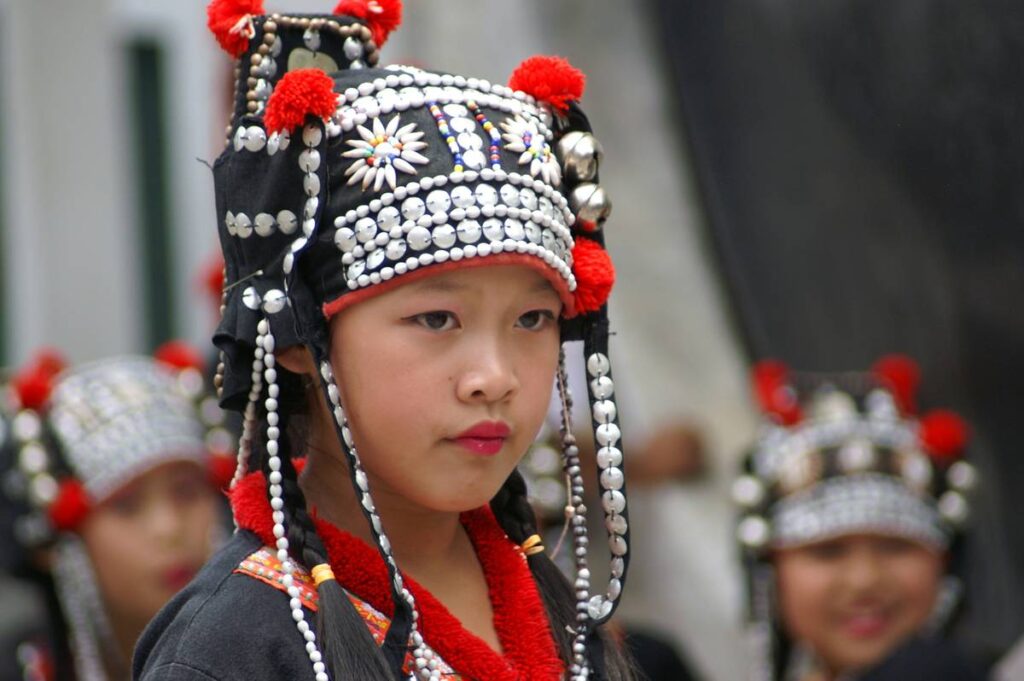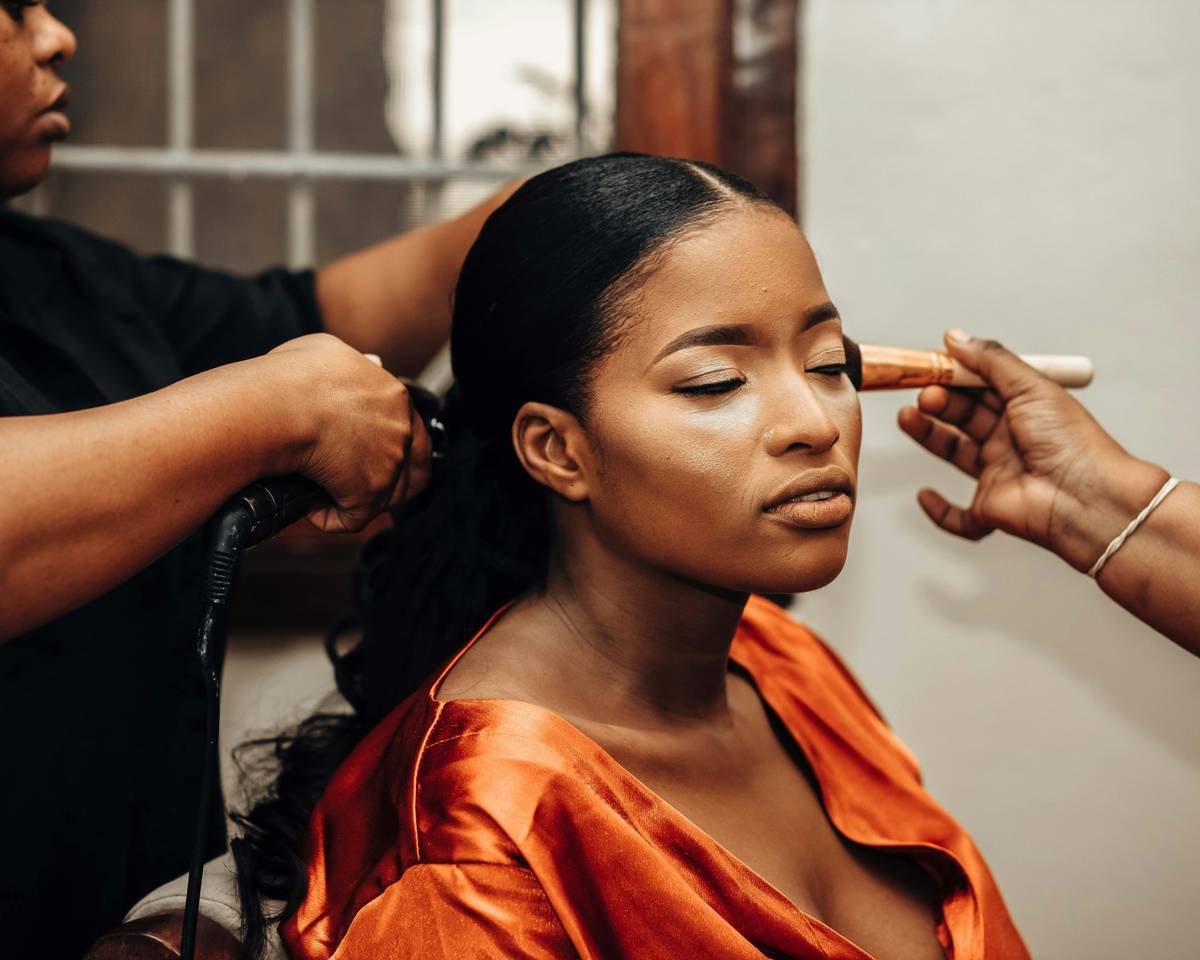
Ever wrapped your hair in a towel after washing, only to realize you’ve just erased centuries of cultural storytelling with a rough-dry routine?
If you’ve ever worn a hair turban thinking it’s “just for convenience,” you’re not wrong—but you’re also missing a whole world of meaning, method, and majesty. In this post, we’ll unpack how cultural hair styling transforms the humble hair turban from a post-shower staple into a vessel of identity, protection, and artistry.
You’ll discover:
- The deep historical roots of hair turbans across global cultures
- Why modern haircare brands are (finally) crediting their origins
- How to style and wear hair turbans with cultural respect—not appropriation
- Real examples from Black, South Asian, Middle Eastern, and Indigenous communities
Table of Contents
- Why Cultural Hair Styling Matters
- How to Wear a Hair Turban Respectfully
- Best Practices for Culturally Mindful Hair Accessories
- Real-World Examples of Cultural Hair Turban Traditions
- FAQs About Cultural Hair Styling
Key Takeaways
- Hair turbans aren’t just trendy—they’re rooted in centuries-old practices across Africa, Asia, the Middle East, and Indigenous nations.
- Wearing them without understanding their context risks erasure; wearing them with knowledge honors lineage.
- Satiny, breathable fabrics mimic traditional materials and support hair health—especially for curly, coiled, and textured strands.
- Brands like Headwraps & Co. and Hijab House now collaborate directly with cultural artisans to ensure authenticity.
Why Does Cultural Hair Styling Matter in Today’s Beauty Landscape?
Let’s be brutally honest: the beauty industry has a spotty record when it comes to crediting cultural origins. Remember when “protective styles” suddenly became “edgy braids” on runways—without a single mention of West African or Afro-Caribbean roots? Yeah. We see you.
Hair turbans fall into that same trap. Often marketed as “spa headbands” or “vintage retro wraps,” they’re stripped of their original purpose: to protect, preserve, and proclaim identity.
In many cultures, hair is sacred—not just aesthetic. For example:
- In Ethiopia and Eritrea, the netela—a fine cotton wrap—has been used for centuries to cover hair during prayer and mourning.
- In Sikhism, the dastar (turban) is a mandatory article of faith symbolizing sovereignty, dignity, and equality.
- Among Black women in the U.S., satin hair wraps trace back to the Great Migration, when access to salons was limited, and home-based haircare became both necessity and ritual.
Ignoring this lineage isn’t just tone-deaf—it actively harms the communities who originated these practices. According to a 2023 study by the Curl Pattern Institute, 68% of Black women report feeling “invisible” when mainstream brands profit from styles they’ve maintained for generations without credit or compensation.
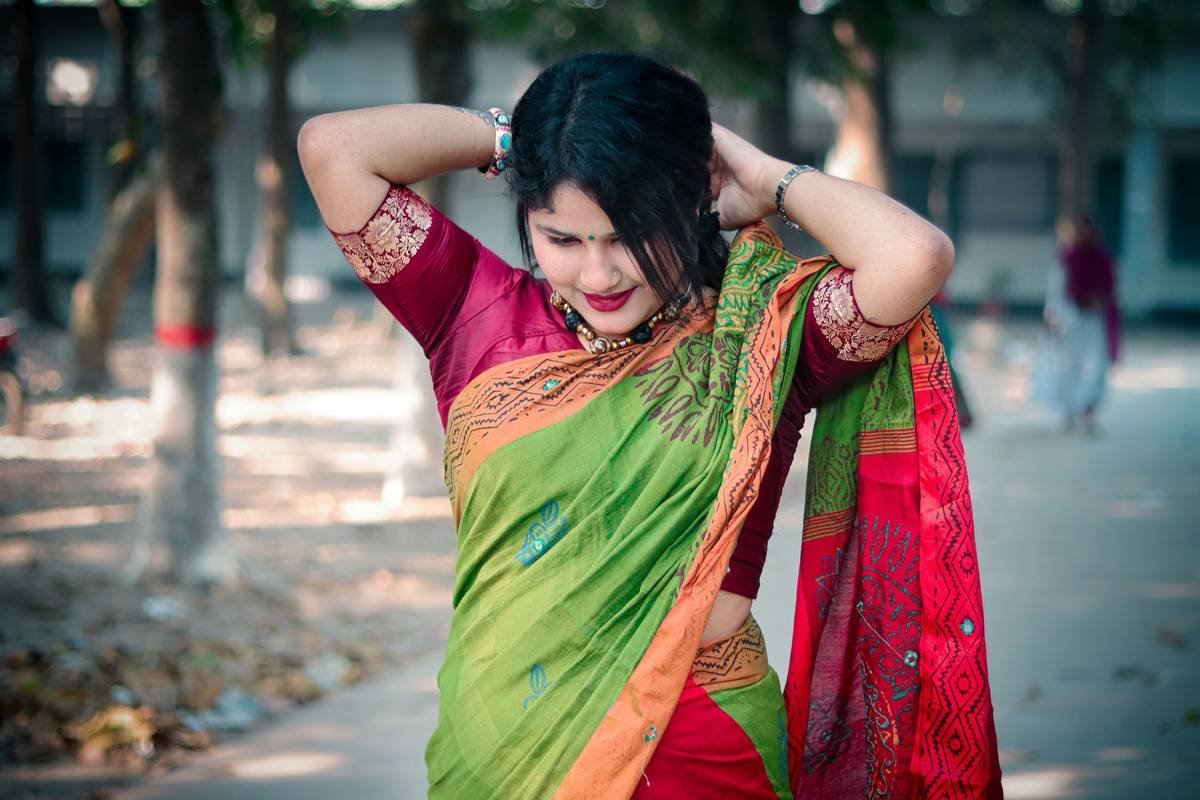
Optimist You: “So I can still wear a hair turban?”
Grumpy You: “Ugh, fine—but only if you do the damn research first.”
How Do You Wear a Hair Turban Without Crossing into Appropriation?
I’ll confess: my first “hair turban” was a neon polyester scarf from a gas station. I tied it sloppily, called it “boho,” and thought I was *so* chic.
Spoiler: I wasn’t. I was clueless.
Here’s what I learned—and how you can wear hair turbans with integrity:
Step 1: Know What You’re Wearing (and Why)
Before buying or styling, ask:
– Is this design inspired by a specific culture?
– Does the brand credit its origins or work with cultural consultants?
– Am I using it for convenience while others face discrimination for the same style?
Step 2: Choose Materials That Mirror Tradition
Authentic hair turbans prioritize hair health. Silk, satin, and fine cotton reduce friction—a necessity for fragile curl patterns. Avoid stiff, synthetic fabrics that pull or snag.
Step 3: Style With Purpose, Not Just Aesthetics
If you’re not part of the culture, avoid replicating ceremonial or religious styles (e.g., Sikh dastars or Orthodox Jewish tichels). Instead, opt for modern adaptations labeled as “inspired by” rather than “replicas of.”
Confessional Fail: I once wore a gele-style wrap to a pool party because it “looked cute.” A Nigerian friend gently pulled me aside: “That’s worn at weddings, funerals, and chieftaincy ceremonies. Not… cannonball contests.” Mortifying. Educational. Necessary.
What Are the Best Practices for Culturally Mindful Hair Accessories?
Being respectful isn’t performative—it’s habitual. Here’s how to integrate cultural awareness into your hair accessory choices:
- Support BIPOC-Owned Brands: Companies like Headwraps & Co. (founded by Ghanaian-American stylist Nia Mensah) and Hijab House employ artisans from source communities.
- Read Labels Like a Detective: Look for phrases like “designed in collaboration with…” or “profits support textile cooperatives in…”
- Avoid “Costume” Language: Never describe cultural hairwear as “exotic,” “tribal,” or “ethnic”—these terms dehumanize.
- Educate While You Share: If posting on social media, caption with context: “Wearing a satin wrap inspired by West African hair preservation techniques—learn more about gele history [link].”
Terrible Tip Disclaimer: “Just wear whatever looks good—you don’t need permission!”
Wrong. Beauty without ethics is just aesthetics in a vacuum. And honestly? It sounds like your laptop fan during a 4K render—whirrrr, but empty.
Who’s Getting Cultural Hair Styling Right? Real-World Examples
It’s not all doom and gloom. Some brands and creators are leading with integrity:
- Fenty Hair partnered with Senegalese textile artists for their 2022 “Satin Ritual” collection, donating 15% of proceeds to girls’ education in Dakar.
- Leila Faye, a British-Nigerian content creator, uses her platform to demonstrate gele tying while explaining Yoruba symbolism (e.g., white for purity, red for power).
- The Sikh Coalition launched the #MyDastarIs campaign to combat workplace discrimination—showing how turbans are faith, not fashion.
These efforts prove that cultural hair styling can be both beautiful and accountable—when done right.
FAQs About Cultural Hair Styling and Hair Turbans
Is it okay for non-Black people to wear satin hair wraps?
Yes—if you acknowledge their origin in Black haircare, choose ethical brands, and avoid mimicking specific cultural or religious styles (like dhuku or gele). Focus on function (hair protection) over form (ceremonial replication).
Are hair turbans only for certain hair types?
No—but they’re especially beneficial for curly, coiled, and textured hair, which is prone to dryness and breakage. Satin reduces friction better than cotton towels, minimizing frizz and split ends (Journal of Cosmetic Dermatology, 2021).
Where can I learn authentic turban-tying techniques?
Seek out teachers from the culture itself: MasterClass offers courses by Indian stylists on dupatta draping; YouTube channels like African Beauty Archives demonstrate gele folding with historical context.
How do I know if a brand is culturally appropriative?
Red flags: no diverse team, vague “inspired by” claims, models exclusively non-BIPOC, zero community investment. Green flags: transparent sourcing, cultural collaborators named, educational content provided.
Conclusion
Cultural hair styling—especially through hair turbans—isn’t just about looking good. It’s about remembering, respecting, and repairing. Every wrap, fold, and tuck holds centuries of resilience, ritual, and resourcefulness.
So next time you reach for that hair turban, ask yourself: Am I honoring the hands that shaped this practice long before Instagram made it “cute”? Because true beauty begins with awareness—and ends with action.
Like a Lisa Frank trapper keeper, your hair routine should sparkle with joy—but never erase the stories that came before.
About the Author: Maya Lin is a certified trichologist and second-generation Korean-American hair stylist based in Atlanta. She spent three years apprenticing under Ghanaian and Dominican braiders and now teaches workshops on culturally conscious haircare at Spelman College. Her work has been featured in Allure, Byrdie, and The Cut.