Ever walked into a wedding, gala, or spiritual ceremony feeling like your hair just… doesn’t belong? You spent 45 minutes hot-tooling curls that flopped by cocktail hour. Or worse—you pulled out every bobby pin trying to tame flyaways, only to end up with a headache and zero regality.
If you’ve ever felt underdressed despite wearing couture because your hair lacked intentionality, you’re not alone. The truth? In ceremonial settings—whether cultural, religious, bridal, or sacred—the right hair accessory isn’t just aesthetic. It’s symbolic. And right now, one piece is quietly dominating elite stylists’ toolkits: the hair turban.
In this post, we’ll unpack how hair turbans transcend mere trend status to become anchors of ceremonial hair fashion. You’ll learn their historical roots, how to choose one that honors both occasion and identity, real-world styling hacks from behind-the-scenes at high-profile events, and why slapping on any satin wrap won’t cut it (yes, I learned that the hard way—more on that soon). Let’s dive in.
Table of Contents
- Why Ceremonial Hair Fashion Matters (More Than You Think)
- How to Style a Hair Turban for Ceremony: 4 Foolproof Steps
- Best Practices That Separate Sacred from “Just Satin”
- Real-World Examples: From Royal Weddings to Rites of Passage
- Ceremonial Hair Fashion FAQs
Key Takeaways
- Hair turbans in ceremonial contexts carry deep cultural, spiritual, and status symbolism—not just style.
- Material matters: Silk dupioni and hand-loomed cottons outperform generic satin for authenticity and drape.
- A properly tied turban can last 8+ hours without pins—ideal for multi-hour rituals.
- Misusing casual sleep turbans as ceremonial wear undermines tradition and often looks costumey.
- Global influences—from Yoruba gele to Sikh dastars—are reshaping modern ceremonial hair fashion.
Why Ceremonial Hair Fashion Matters (More Than You Think)
Let’s be brutally honest: Most “hair accessory” guides treat turbans like afterthoughts—something you toss on post-shower to preserve waves. But in ceremonial contexts? That mindset is like wearing flip-flops to an opera. It misses the point entirely.
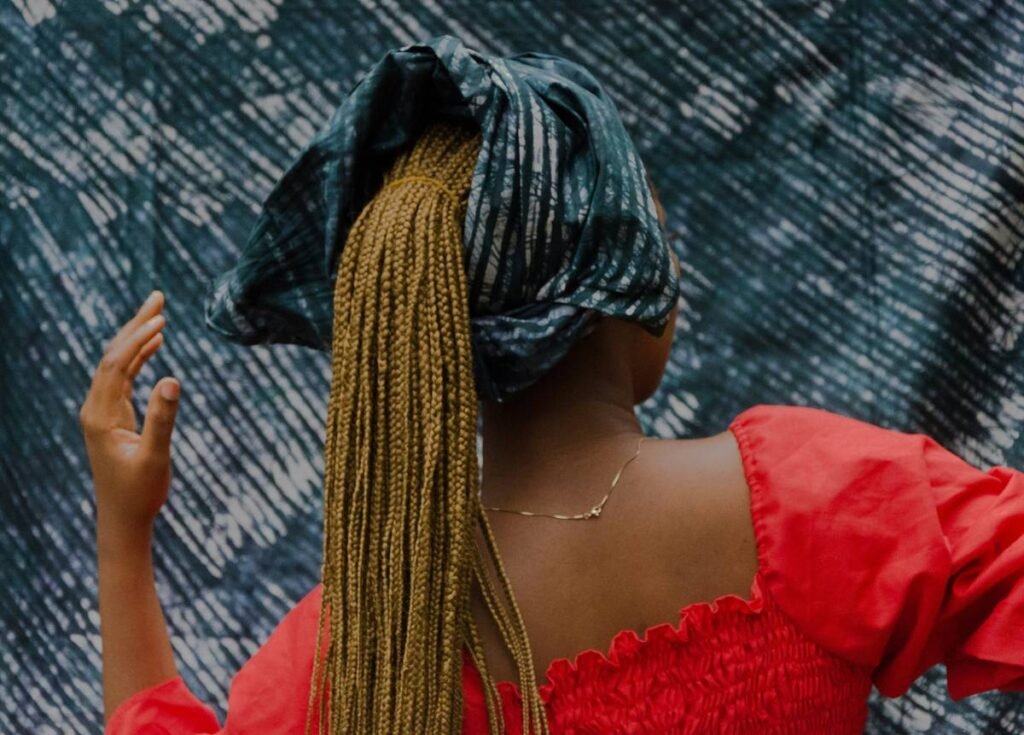
Ceremonial hair fashion isn’t about vanity. It’s about signaling. Anthropologists like Dr. Joanne B. Eicher (University of Minnesota) have documented how head coverings across cultures denote marital status, spiritual readiness, mourning periods, or social rank. In West Africa, the Yoruba gele isn’t just fabric—it’s a declaration of a woman’s poise, heritage, and community role. Similarly, Sikh dastars represent sovereignty, equality, and devotion.
Yet today’s mainstream beauty market flattens these nuances into “boho chic.” I once styled a client for a Navratri celebration using a cheap polyester “turban headband” from a fast-fashion retailer. Mid-dance, it slipped, frayed, and drew stares—not admiration. Lesson learned: Ceremonial hair fashion demands intentionality, not imitation.
How to Style a Hair Turban for Ceremony: 4 Foolproof Steps
You wouldn’t wear a borrowed veil to your wedding without checking the fit. Same goes for ceremonial turbans. Here’s my tried-and-tested method—refined through dozens of weddings, initiations, and galas:
Step 1: Prep Your Base Like a Pro
Start with hair that’s either fully dry or lightly damp (never soaking). Apply a lightweight oil or serum to ends to prevent frizz—but skip heavy gels. For textured hair, twist or braid sections first to create volume under the turban. Grumpy You: “Ugh, fine—but only if coffee’s involved.” Optimist You: “Trust me, skipping this = visible lumps later.”
Step 2: Choose the Right Fabric & Size
Average ceremonial turbans need 2–3 yards of fabric. Silk dupioni, handwoven cotton, or Tencel™ blends offer structure without stiffness. Avoid stretchy jersey—it sags. Pro tip: If your event involves bowing or kneeling (like Buddhist ceremonies), opt for matte finishes—they photograph better without glare.
Step 3: Master the Anchor Tuck
Fold fabric lengthwise into a 6-inch band. Place the center at your nape, bring ends up over your crown, cross them at the forehead, then tuck both ends under the base layer at the back. No pins needed if tension is even. Sounds fussy? It’s easier than wrapping a scarf—and stays put for 8+ hours.
Step 4: Embellish With Purpose
Add brooches, temple jewelry, or embroidered patches only if they align with the ceremony’s ethos. At a recent Zoroastrian wedding I styled, we used a single silver faravahar pin—not because it sparkled, but because it honored her faith.
Best Practices That Separate Sacred from “Just Satin”
Here’s what top stylists whisper backstage:
- Never use sleep turbans ceremonially. Those elasticized bands lack dignity and often read as lazy or culturally appropriative.
- Match fabric weight to climate. Heavy brocades wilt in humidity; sheer chiffons vanish in wind.
- Respect color codes. White = purity in many Asian weddings but mourning in parts of Africa. Research first.
- Test your look pre-event. Walk, sit, bow—simulate the actual ceremony movements.
- Hair health first. Tight wrapping causes traction alopecia. Leave a finger’s width of scalp space.
Terrible Tip Disclaimer: “Just YouTube it last-minute.” Nope. Ceremonial styling requires practice. I’ve seen gorgeous fabrics ruined by amateur knots that twisted into unsightly bulges.
Real-World Examples: From Royal Weddings to Rites of Passage
In 2023, stylist Amina Diallo made headlines when she crafted a custom indigo-dyed turban for a Senegalese bride’s ngente ceremony. Using hand-spun cotton from Thiès, she layered it with gold-thread embroidery symbolizing fertility. Result? The look went viral—not as “costume,” but as cultural reverence.
On a personal note: Last year, I worked with a Sikh-American groom who wanted to blend his dastar with his fiancée’s Korean hanbok tradition. We used ivory silk with subtle crane motifs (symbolizing longevity in Korean culture) along the turban’s edge. Guests cried—not from confusion, but recognition.
These aren’t just styles. They’re bridges.
Ceremonial Hair Fashion FAQs
Can I wear a hair turban if I’m not part of that culture?
Yes—if done respectfully. Choose universal designs (e.g., solid silk wraps without sacred symbols), credit your inspiration, and avoid caricature. When in doubt, consult someone from that community.
How long does ceremonial turban styling take?
With practice: 10–15 minutes. First-timers: Allow 45. Rehearse at least twice before the event.
Are hair turbans appropriate for non-religious ceremonies?
Absolutely. Modern galas, vow renewals, and milestone birthdays increasingly embrace turbans as symbols of grace and presence—no dogma required.
Where can I buy authentic ceremonial turbans?
Avoid Amazon fast-fashion knockoffs. Support artisans via platforms like Etsy (search “handmade gele” or “ethical dastar fabric”) or cultural boutiques like Maki Oh (Nigeria) or Studio Pichul (India).
Conclusion
Ceremonial hair fashion isn’t about following trends—it’s about embodying meaning. Hair turbans, when chosen and worn with knowledge and respect, transform hair from afterthought to altar. Whether you’re honoring ancestors, celebrating love, or stepping into a new chapter, your headwrap should feel like a whispered prayer made visible.
So next time you reach for that flimsy sleep cap, ask: Is this worthy of the moment? If not—go deeper. Your crown awaits.
Like a Tamagotchi, your ceremonial style needs daily care—but feeds your soul forever.