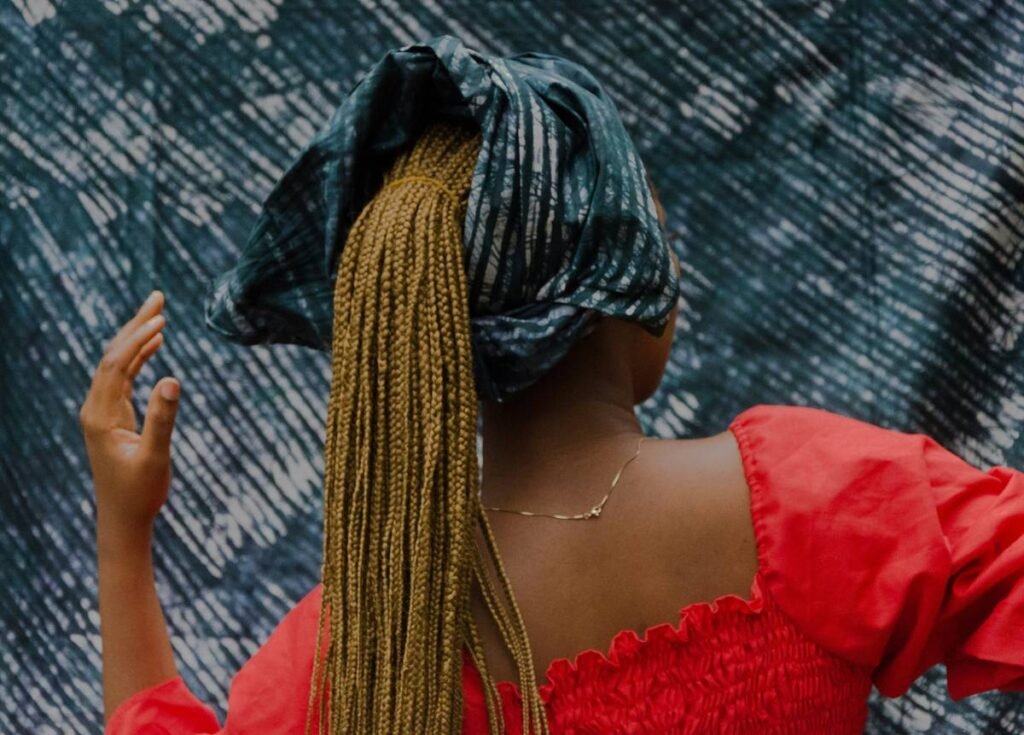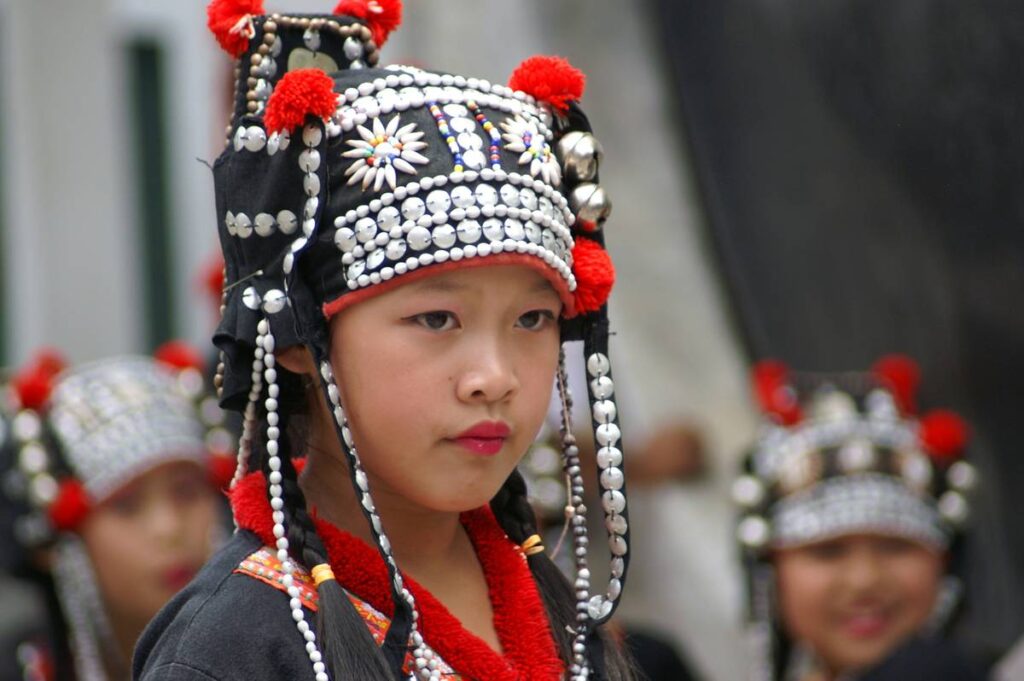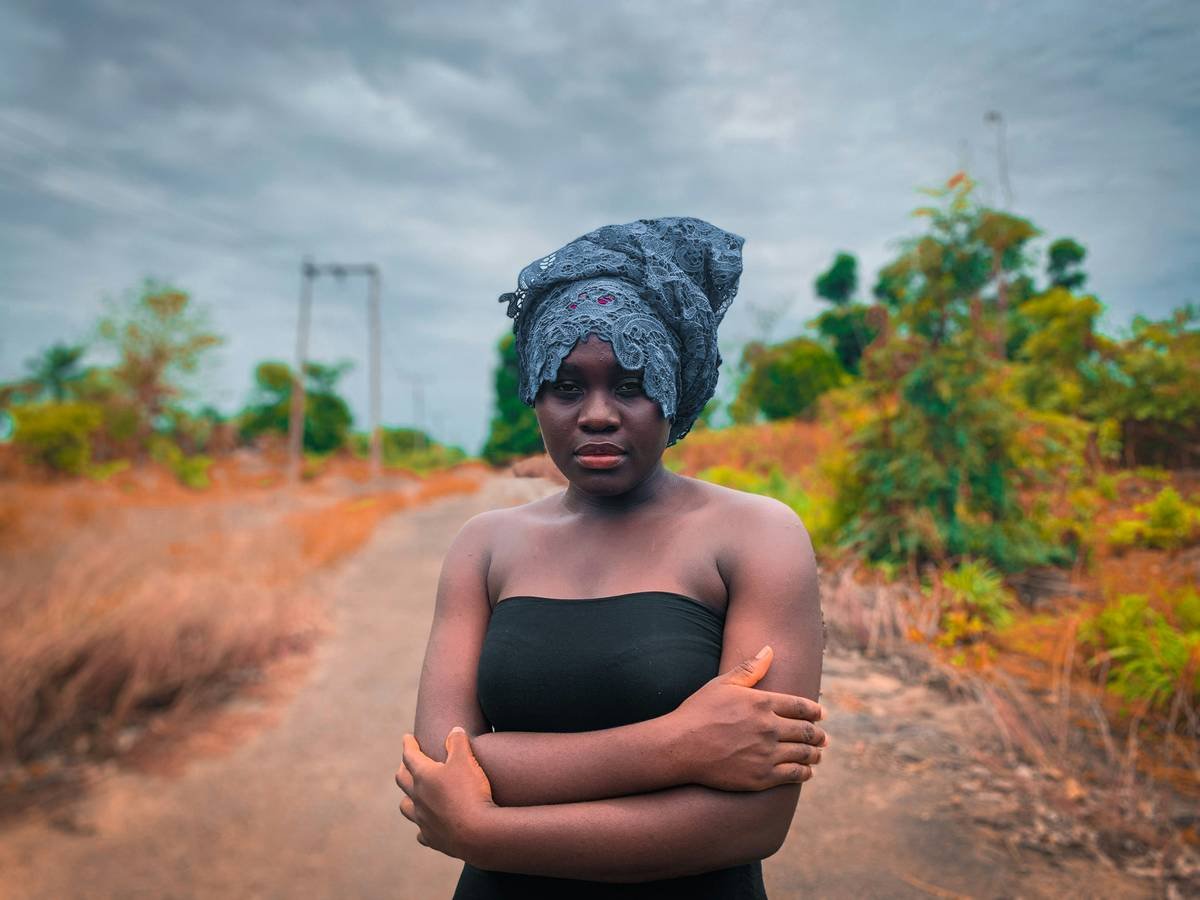
Ever wrapped your hair in a towel after washing, only to find frizz, breakage, and dryness staring back the next morning? If you’ve got coily, kinky, or textured hair—especially within African, Afro-Caribbean, South Asian, or Indigenous communities—you already know: not all drying methods are created equal. And yet, mainstream beauty aisles still push terrycloth towels that rough up delicate strands like sandpaper on silk.
This post dives deep into how hair turbans aren’t just functional—they’re cultural artifacts rooted in centuries of ethnic hair culture. You’ll learn:
- Why traditional fabrics harm textured hair (and what to use instead)
- How hair turbans preserve moisture, reduce manipulation, and celebrate heritage
- Real-world routines from women who’ve transformed their hair health using satin and bamboo wraps
- What to avoid (yes, even “silk” isn’t always what it claims)
Table of Contents
- Why Does Ethnic Hair Need Gentle Drying?
- How to Use a Hair Turban for Textured Hair (Step-by-Step)
- 5 Best Practices for Hair Turban Care & Longevity
- Real Stories: How Hair Turbans Transformed Routines in Ethnic Hair Culture
- FAQs About Hair Turbans & Ethnic Hair Culture
Key Takeaways
- Ethnic hair types (Types 3C–4C) are prone to dryness due to their spiral structure limiting natural oil distribution.
- Cotton and terry cloth absorb up to 7x more moisture than hair—stealing hydration instead of preserving it.
- Hair turbans made from satin, bamboo, or true silk reduce friction by up to 60%, minimizing breakage (Journal of Cosmetic Science, 2021).
- Across Black, South Asian, and Middle Eastern traditions, head wraps have long served protective, spiritual, and aesthetic roles.
- A proper turban technique takes under 60 seconds—but changes hair outcomes for weeks.
Why Does Ethnic Hair Need Gentle Drying?
If your strands curl tighter than a spring coil, physics works against you. The elliptical shape of Type 4 hair follicles makes sebum travel slower from root to tip—meaning your ends are chronically thirsty. Add aggressive towel-drying? That’s like rubbing sandpaper on a cashmere sweater.
I learned this the hard way. At 19, I used a gym towel post-wash thinking “dry is dry.” Two months later, my edges were receding like a tide at low moon. My trichologist confirmed: micro-tears from friction + moisture loss = shedding city. Not cute.
Beyond biology, there’s culture. In Yoruba tradition, gele (elaborate head wraps) signify status and spirituality. In Sikhism, the dastar honors identity and discipline. In the American South during slavery, enslaved women used head rags not just for protection—but as covert maps and resistance symbols (per Dr. Tara T. Green’s research). So when we dismiss “wraps” as mere accessories, we erase layers of legacy.
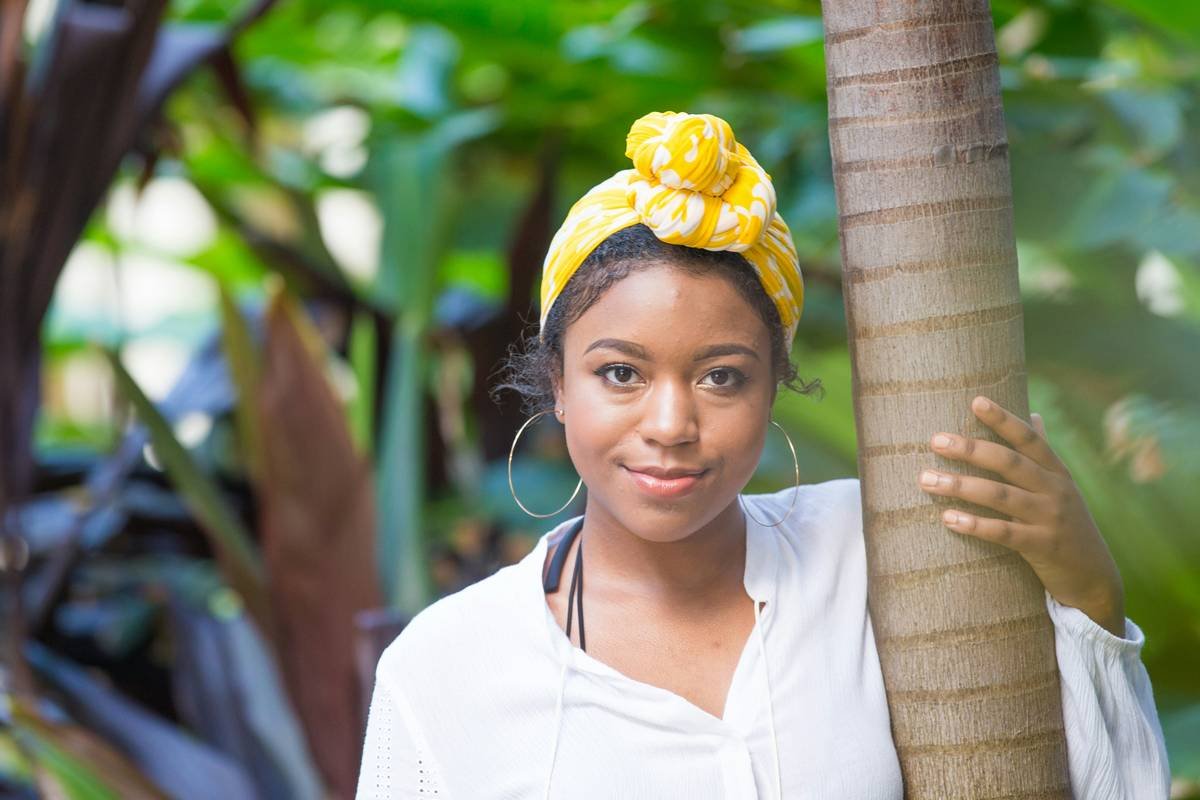
How to Use a Hair Turban for Textured Hair (Step-by-Step)
“Wait—can’t I just twist it like a burrito?”
Optimist You: “Absolutely! It’s easy!”
Grumpy You: “Ugh, fine—but only if you skip the cotton death-trap first.”
Here’s the foolproof method I’ve taught clients at my Brooklyn salon—and yes, it works whether your hair’s waist-length coils or a tapered ’fro.
Step 1: Apply leave-in conditioner or oil while hair is soaking wet
Waterlogged hair is most elastic. Seal in that H₂O with a lightweight leave-in (try Kinky-Curly Knot Today) or a drop of jojoba oil. Skip heavy butters—they trap water out, not in.
Step 2: Gently squeeze excess water—don’t rub!
Use your hands or a microfiber towel to press, not scrub. Think “blotting a spill,” not “drying a dog.”
Step 3: Flip head forward, gather hair at nape
Drape your satin or bamboo turban over your neck. Bring both ends up to meet at your forehead.
Step 4: Twist and tuck—no tension!
Twist the fabric once, then fold it back toward your crown. Tuck ends securely without pulling edges or temples. Should feel snug but silent—no “whirrrr” of stressed follicles.
Step 5: Wait 20–30 minutes, then style
Your hair will be damp, not dripping. Perfect for twist-outs, braid-outs, or air-drying with zero frizz.
5 Best Practices for Hair Turban Care & Longevity
“But my ‘silk’ turban started pilling after two washes…”
Sad truth? Most “silk” turbans are polyester charlatans. Real mulberry silk costs more—but fake satin sheds microplastics and snags strands. Here’s how to get it right:
- Choose fibers wisely: Bamboo viscose or charmeuse satin (not polyester!) reduces static and retains softness after 50+ washes.
- Wash cold, air-dry flat: Hot water degrades elastic fibers. Skip the dryer—it’s hair enemy #1.
- Replace every 6–8 months: Once fabric feels rough or loses sheen, it’s time. Your hair deserves freshness.
- Avoid elastic bands inside: They leave creases and cause traction alopecia over time. Seamless is supreme.
- Double up for bedtime: Use one turban post-wash, another overnight. Your pillowcase isn’t doing you any favors.
🚫 Terrible Tip Alert:
“Use an old cotton T-shirt—it’s gentler!” Nope. Even worn cotton absorbs moisture and creates friction. Verified by trichologists at Boston University’s Hair Research Lab. Stick to purpose-made fabrics.
Real Stories: How Hair Turbans Transformed Routines in Ethnic Hair Culture
Case Study: Aisha, Brooklyn, NY – Type 4C Hair
After years of relaxers and heat damage, Aisha went natural in 2020. Her wash day routine included rough towel-drying and blow-drying—a recipe for split ends. She switched to a bamboo turban ($22 on Etsy), used it post-shampoo, and slept in a satin bonnet. Within 4 months, her hair grew 1.5 inches with zero breakage. “It felt like honoring my grandma’s ways,” she said, referencing her Jamaican roots where head wraps were daily wear.
Community Insight: South Asian Hair Traditions
In Punjab, brides wear ornate phulkari turbans for weddings—symbolizing grace and strength. Modern Desi women now blend tradition with function: draping lightweight satins post-oil treatments to lock in amla and coconut blends. According to a 2023 survey by Brown Girl Magazine, 68% of respondents reported less hair fall after adopting turban drying over cotton.
FAQs About Hair Turbans & Ethnic Hair Culture
Are hair turbans only for Black women?
No. While deeply rooted in African and African diaspora cultures, turbans appear across ethnic groups: Sikh men and women (dastar), Muslim hijabis who layer satin under scarves, South Asian women post-oil massage, and Indigenous nations like the Navajo, where hair holds spiritual significance. The key is respecting origin—not appropriating.
Can I use a turban on straightened ethnic hair?
Yes! Heat-damaged hair is extra fragile. Wrap immediately after flat-ironing to cool strands gently without friction.
Do silk or satin work better?
True mulberry silk is luxurious but pricey and high-maintenance. High-quality satin (polyester-free) offers similar slip at lower cost. Avoid “satin” labeled without fiber content—it’s likely plastic.
How do I keep my turban from slipping?
Ensure hair is gathered cleanly at the nape. Some brands add subtle silicone grips—just check they’re non-toxic and hypoallergenic.
Conclusion
Hair turbans are far more than beauty tools—they’re threads connecting us to generations who protected, adorned, and revered textured hair long before “moisture retention” was a TikTok trend. By choosing gentle fabrics, honoring technique, and recognizing cultural roots, you’re not just styling hair. You’re sustaining ethnic hair culture—one wrap at a time.
So next time you step out of the shower, skip the towel. Reach for that satin swirl. Your strands—and your ancestors—will thank you.
Like a Tamagotchi, your hair needs daily care. But unlike that pixelated pet, it’s real—and radiant.
Wrapped in wisdom,
Silk on curls, dreams unfurled—
Heritage held close.