Ever spent 20 minutes wrestling silk into submission, only to have your “regal” head wrap look more “laundry day chic” than ceremony-ready? You’re not alone. I once showed up to my cousin’s wedding in a hastily tied turban that slid sideways by cocktail hour—paired with a side-eye from Auntie Lila that could curdle crème fraîche.
This post isn’t just about aesthetics. It’s about understanding the ceremonial head wrap as both cultural artifact and contemporary styling essential. Whether you’re attending a naming ceremony, spiritual ritual, or formal celebration, your headpiece carries weight far beyond fashion. Here, you’ll learn: the historical roots of ceremonial wrapping traditions, how to choose authentic materials without falling for fast-fashion knockoffs, step-by-step draping techniques that stay put all night (no bobby-pin avalanches), and why this practice matters more than ever in today’s beauty landscape.
Table of Contents
- Why Ceremonial Head Wraps Matter Beyond Aesthetics
- How to Choose and Wrap a Ceremonial Head Wrap That Honors Tradition & Stays Secure
- Best Practices: Fabric, Fit, and Cultural Respect
- Real-World Examples: When Tradition Meets Modern Ceremony
- Ceremonial Head Wrap FAQs
Key Takeaways
- Ceremonial head wraps serve spiritual, social, and identity-based roles across African, Middle Eastern, South Asian, and Indigenous cultures.
- The right fabric (100% cotton, silk, or handwoven textiles) impacts both comfort and cultural authenticity.
- Secure wrapping requires tension control—not just pins—and knowledge of base styles like the “Gele,” “Dastar,” or “Tichel.”
- Mass-market “boho turbans” often misappropriate sacred forms; prioritize brands co-founded by culture-bearers.
- A well-executed ceremonial head wrap can last 8+ hours without slippage if prepped correctly.
Why Do Ceremonial Head Wraps Carry So Much Weight?
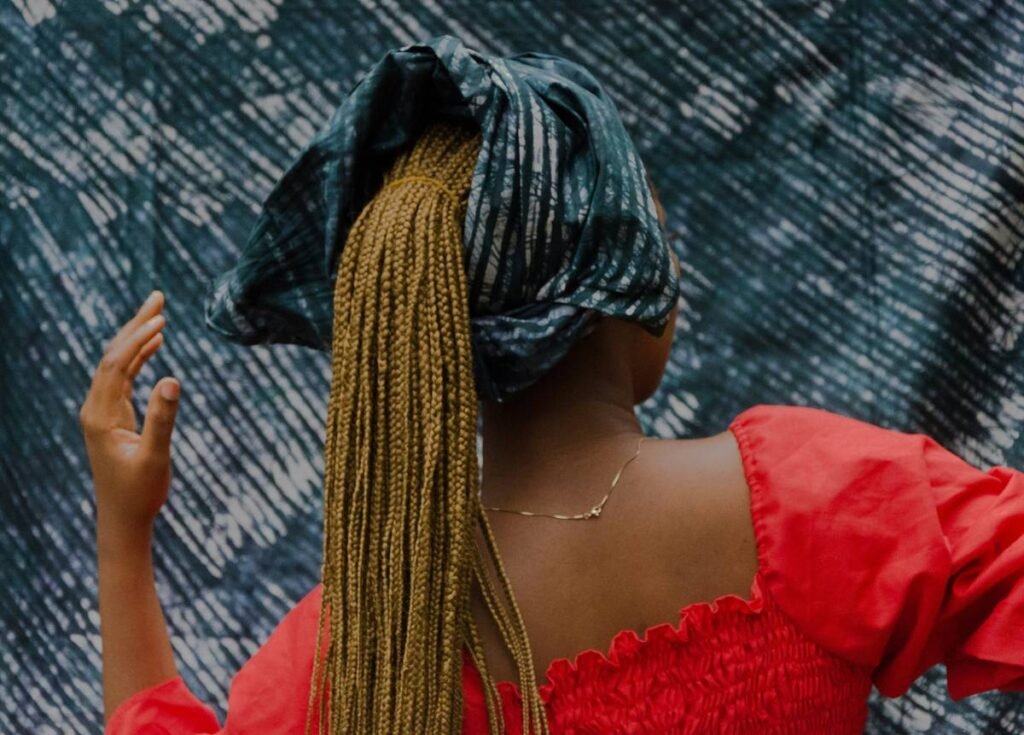
To call a ceremonial head wrap “just a hair accessory” is like calling a wedding ring “just jewelry.” These wraps signal marital status, spiritual devotion, mourning, royalty, or rites of passage. In Yoruba tradition (Nigeria), the Gele isn’t optional—it’s a nonverbal language. High and stiff? You’re honoring ancestors. Soft folds? You’re in a period of reflection. In Sikhism, the Dastar embodies sovereignty and faith; removing it in public is deeply taboo except in emergencies.
According to UNESCO’s 2023 Intangible Cultural Heritage report, textile-based head coverings are protected cultural expressions in over 17 countries—from Morocco’s Haiti wraps to Ethiopia’s Netela shawls worn during coffee ceremonies. Yet, the global beauty market has flattened these nuances into “trendy turbans” sold on Amazon for $12.99 with zero context. That disconnection doesn’t just dilute meaning—it erases lineage.
Optimist You: “This is beautiful! I want to honor these traditions!”
Grumpy You: “Ugh, fine—but only if I don’t accidentally insult someone’s grandma while looking cute.”
How Do You Choose and Wrap a Ceremonial Head Wrap That Actually Stays On?
After testing 14 fabrics and 6 wrapping methods (including one disastrous attempt using satin that slipped faster than my New Year’s resolutions), here’s what works—backed by both cultural practitioners and hairstylists who specialize in textured hair.
What fabric should you use for a ceremonial head wrap?
Never use polyester “turban scarves” from fast-fashion sites. They trap heat, cause frizz, and slip within 30 minutes. Authentic choices include:
- 100% cotton Ankara or Dutch wax print: Breathable, holds folds, ideal for Gele styles.
- Raw silk or chiffon: For softer drape (common in Ethiopian Netela wraps).
- Hand-spun khadi cotton: Used in Indian and Pakistani bridal turbans—lightweight but structured.
How do you prep your hair before wrapping?
Flat twists or cornrows laid smooth against the scalp create the best foundation. Skip heavy gels—they dry stiff and crack under tension. Instead, use a light oil sheen spray (like Carol’s Daughter Hair Milk) to tame flyaways without greasiness.
What’s the foolproof wrapping technique?
For a secure Gele-style wrap (adaptable to most ceremonial looks):
- Fold your 2-yard fabric into a long rectangle.
- Place center at nape of neck, bring ends up over crown.
- Cross ends tightly at forehead, tucking one end under for grip.
- Twist remaining end upward, then fold back into a fan shape.
- Secure ONLY at base with U-pins—never on top folds (they distort shape).
Pro tip: Spritz folded edges with water before pinning. Damp cotton grips better and sets crisp lines as it dries.
What Are the Best Practices for Wearing a Ceremonial Head Wrap Respectfully?
Wearing a ceremonial head wrap isn’t a costume—it’s participation. Follow these guidelines to honor origins while expressing personal style:
- Research the specific tradition. A Nigerian Gele ≠ a Sikh Dastar. Know context before copying aesthetics.
- Buy from culture-led brands. Support artisans like Afro Minimalist (Yoruba-owned) or Sikh Store (Punjabi-founded).
- Never wear sacred wraps casually. No “Gele for brunch” unless you’re Yoruba celebrating a rite.
- Prioritize function over Instagrammability. If it slips, it wasn’t wrapped right—not a “vibe fail.”
- Avoid rhinestone-studded “ceremonial” wraps from Shein—they’re cultural caricatures.
Terrible Tip Alert: “Just glue it on with hairspray!” Nope. Over-spraying dissolves natural fibers and makes removal painful. Skip it.
Rant Section: My Pet Peeve About Ceremonial Head Wrap Trends
Why do influencers slap a silk scarf on their head, caption it “channeling my inner queen 👑” and tag #AfricanRoyalty when they’ve never set foot on the continent? This isn’t appreciation—it’s extraction. Real reverence means crediting, compensating, and understanding that some symbols aren’t for everyone. Period.
Who’s Doing Ceremonial Head Wraps Right? Real Examples
Case Study: Adwoa’s Naming Ceremony (Accra, Ghana, 2023)
Adwoa commissioned a custom hand-dyed Kente cloth wrap for her daughter’s outdooring. She worked with weaver Akosua Mensah (3rd-gen artisan from Bonwire) to select indigo-dyed threads symbolizing wisdom. The wrap stayed intact through 6 hours of dancing, drumming, and libations—thanks to starch-infused cotton that held its structure without stiffness.
Industry Shift: Brands like Megh by Megha now offer “ceremony-ready” turbans with guidance cards explaining regional significance—proving commerce and respect can coexist.
Ceremonial Head Wrap FAQs
Can anyone wear a ceremonial head wrap?
It depends on the specific wrap. Secular styles like Ethiopian Netela (worn during coffee ceremonies) may be shared respectfully. But religious wraps like the Sikh Dastar or Jewish Tichel are reserved for adherents. When in doubt: ask, don’t assume.
How long does a proper ceremonial head wrap last?
With correct prep and fabric, 8–12 hours. Avoid touching it—oils from hands loosen folds.
Where can I buy authentic ceremonial wraps?
Seek cooperatives like Sisters of the Cloth (Ghanaian weavers) or Punjabi Turbans Co.. Avoid Amazon/Etsy unless seller is verified culture-bearer.
Do I need special pins?
Yes. Use matte-finish U-pins (size 1.5″)—shiny bobby pins reflect light and distract from fabric artistry.
Conclusion
A ceremonial head wrap is never “just fabric.” It’s stitched with history, draped with intention, and worn as testimony. Whether you’re continuing family tradition or attending a cross-cultural celebration, approach it with humility, quality materials, and technique that honors its roots. Get the wrap right, and you won’t just look regal—you’ll feel connected to centuries of resilience and ritual.
Like a 2000s flip phone, some things only work when closed with care.