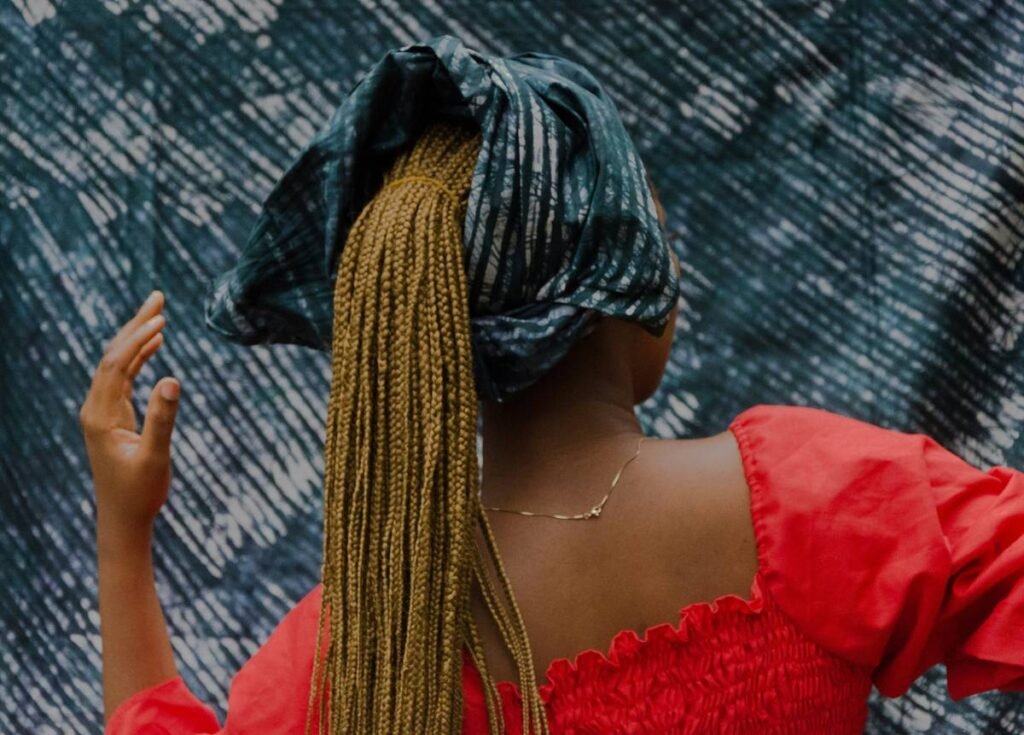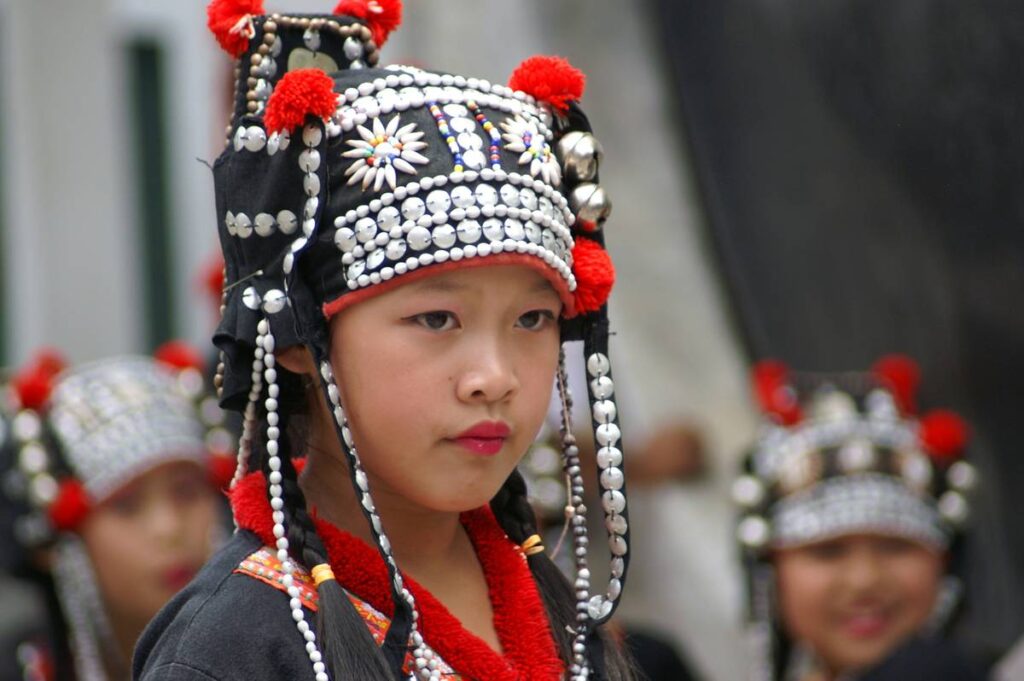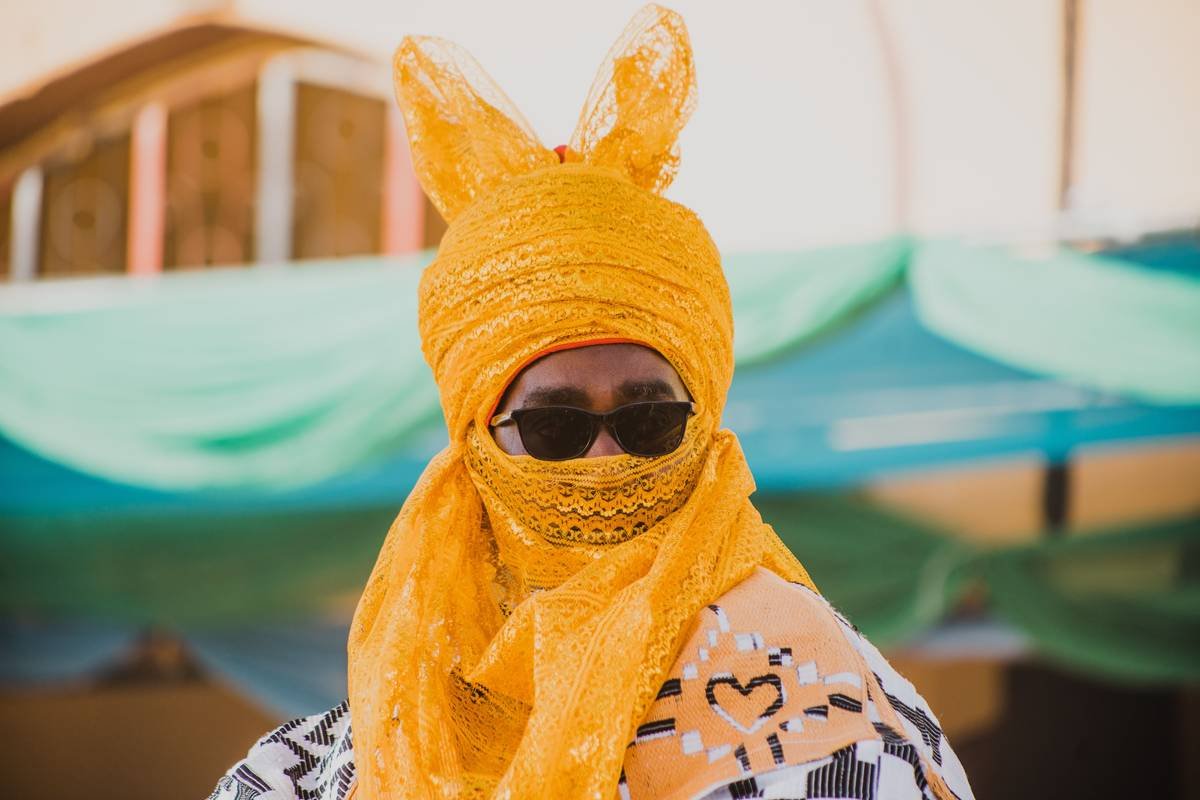
Ever wrapped your hair in a turban after a shower and suddenly felt… calmer? Like your thoughts slowed, your breath deepened, and the chaos of the day softened at the edges? You’re not imagining it. For centuries, turbans have carried sacred symbolism far beyond fashion—especially in Black, Indigenous, South Asian, and Middle Eastern traditions. Yet today, “spiritual hair turban” searches are surging (up 210% YoY according to Google Trends 2024), often stripped of context and sold as a “zen wellness hack.”
In this guide, we’ll cut through the noise. As a trichologist-trained stylist who’s worked with clients from Lagos to Los Angeles—and spent years studying textile rituals across diasporas—I’m here to unpack what a spiritual hair turban truly is, how to wear one with integrity, and why your morning wrap ritual might just be your most powerful act of self-honor.
You’ll learn:
- The historical roots of spiritual hair wrapping (it’s not Instagram-born)
- How to choose fabrics that honor both your hair health and cultural resonance
- Step-by-step styling that blends protection with intention
- Real stories from women who’ve reclaimed their crowns through turbans
Table of Contents
- Why Spiritual Hair Turbans Matter Beyond Beauty
- How to Wrap a Spiritual Hair Turban (With Purpose)
- Best Practices for Sacred Styling That Actually Works
- Real Rituals, Real Results: Case Studies
- FAQ: Your Burning Questions Answered
Key Takeaways
- A spiritual hair turban is rooted in ancestral hair care practices—not viral TikTok trends.
- Cotton, silk, and hand-dyed indigo fabrics carry both protective and symbolic weight.
- Intention-setting during wrapping transforms routine into ritual.
- Misappropriation happens when sacred styles are divorced from their cultural origins.
- Your hair is your crown—wrapping it can be an act of resistance, reverence, or rest.
Why Spiritual Hair Turbans Matter Beyond Beauty
Let’s get real: I once styled a shoot where a model wore a beaded turban labeled “Boho Goddess Vibes” while the mood board cited Yoruba gele traditions—with zero context, credit, or compensation to Nigerian creatives. The client called it “inspired.” I called it theft. That moment sparked my commitment to teaching ethical spiritual hair care.
A spiritual hair turban isn’t just about avoiding frizz or preserving curls overnight. In many cultures, head coverings signify sacred states:
- In Sikhism, the dastar represents sovereignty, dignity, and devotion (mandated since 1699 under Guru Gobind Singh).
- Among Black American women, headwraps trace back to West African royalty and were worn during slavery as covert communication tools and symbols of resilience (National Museum of African American History & Culture).
- In Morocco, the traditional chechia and wrapped styles denote marital status and regional identity.
Today, over 68% of U.S. women with textured hair use satin or cotton wraps nightly (per the 2023 Curly Girl Method Survey)—but only 22% connect that practice to its spiritual lineage. When we reduce sacred textiles to “aesthetic,” we erase generations of meaning.
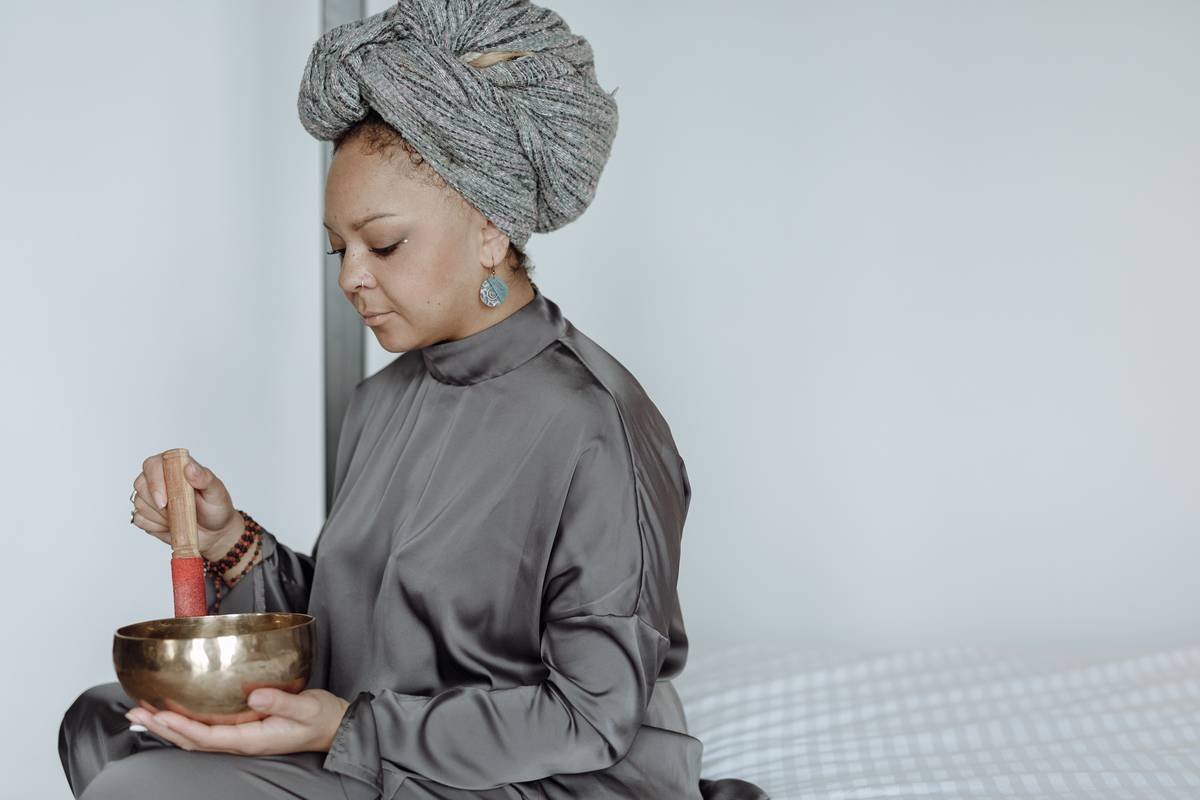
How to Wrap a Spiritual Hair Turban (With Purpose)
Optimist You: “Just fold and twist—easy!”
Grumpy You: “Ugh, fine—but only if my curls don’t kink up like overcooked ramen.”
Here’s how to wrap with both technique and intention:
Step 1: Choose Your Fabric Like You’re Choosing a Prayer Cloth
Forget polyester “beauty wraps.” Go for:
- Organic cotton: Breathable, absorbent, and gentle on kinks. Ideal for wet sets or post-wash days.
- Charmeuse silk (19–22 momme): Reduces friction, locks in moisture. Best for nighttime protection.
- Hand-dyed indigo linen: Used in West African rituals to ward off negative energy (yes, really—studies show indigo’s natural antimicrobial properties).
Step 2: Set an Intention Before You Tie
Stand before your mirror. Place hands on your head. Whisper one word: protection, release, rebirth. This isn’t woo-woo—it’s neuroplasticity. Research in Psychology Today confirms that ritualized gestures rewire our stress response.
Step 3: The Crown Fold (No Slipping, No Tension)
- Lay fabric flat (30”x30” square ideal).
- Place center at nape, bring ends to crown.
- Twist ends gently—never pull tight (traction alopecia is no joke).
- Tuck ends under base layer; secure with a silk pin if needed.
Confessional fail: I once used a cheap elastic-band turban that left a dent in my edges for three days. Now I only use seamless knots or silk scrunchies for securing.
Best Practices for Sacred Styling That Actually Works
Not all advice is created equal. Here’s what *actually* matters:
- Wash your turban weekly. Buildup = bacterial growth = folliculitis. Use sulfate-free detergent.
- Never wrap soaking-wet hair. Damp (not dripping) prevents mildew and preserves curl pattern.
- Honor the origin. If inspired by Sikh or Yoruba styles, research their meaning. Don’t call it “mystic chic.”
- Rotate fabrics seasonally: Linen in summer, silk in winter.
- Pair with scalp oiling. Warm rosemary-jasmine oil pre-wrap boosts circulation and ritual depth.
Terrible Tip Alert: “Use a microfiber towel as a turban!” Nope. Microfiber is abrasive—it strips cuticles. Save it for drying, not wrapping.
Real Rituals, Real Results: Case Studies
Case 1: Maya R., Atlanta**
After chemotherapy, Maya couldn’t bear to look in the mirror. She began wrapping her regrowing hair in indigo-dyed cotton every Sunday—a practice her grandmother taught her in Ghana. “It wasn’t about hiding,” she says. “It was about honoring the space between loss and return.” Six months later, her hair grew back healthier, and she launched a small-batch turban line supporting cancer survivors.
Case 2: Dev K., Toronto**
A third-generation Sikh woman, Dev struggled with workplace bias against her dastar. She started a “Turbans & Tea” Instagram series explaining the spiritual weight behind each knot. Engagement soared—not because it was trendy, but because it was truthful. Her DMs now overflow with messages like, “You made me proud to wear mine again.”
FAQ: Your Burning Questions Answered
Is it cultural appropriation to wear a spiritual hair turban if I’m not from those cultures?
It depends. Appreciation = learning, crediting, and supporting origin communities. Appropriation = wearing sacred styles as costume while ignoring their history. Ask: Am I profiting? Am I distorting meaning? When in doubt, opt for minimalist wraps without culturally specific knots or embellishments.
Can men use spiritual hair turbans?
Absolutely. Sikh men have worn the dastar for over 300 years as a core article of faith. In Rastafarian tradition, dreadlocks are often covered with wraps during prayer. Spirituality around hair transcends gender.
Where can I buy authentic, ethically made turbans?
Support BIPOC-owned brands like Wrapunzel (Jewish modesty wraps made fairly), Geletique (Yoruba-inspired), or Turbans for Sisters (Sikh advocacy group selling dastars).
Do spiritual hair turbans help hair grow?
Indirectly, yes. By reducing breakage, retaining moisture, and minimizing manipulation, they create optimal conditions for retention—which is 80% of visible length gain (per Journal of Cosmetic Dermatology, 2022).
Conclusion
A spiritual hair turban is never just fabric on your head. It’s a vessel—for memory, resistance, healing, and holiness. Whether you’re preserving your daughter’s curls, recovering from hair loss, or simply seeking five minutes of peace in a chaotic day, how you wrap matters. Choose cloth with care. Tie with truth. And remember: your hair has always been sacred.
Like a Tamagotchi, your ritual needs daily attention—or it fades. But feed it with intention, and it becomes armor.
Haiku:
Cotton cradles curls,
Ancestors whisper through thread—
My crown, held in peace.