Ever caught yourself scrolling past yet another Instagram Reel of someone twirling in a silky headwrap, only to wonder: “Is this fashion—or appropriation?” Yeah, us too. And if you’ve ever tied a scarf around your head after a wash day, called it a “hair turban,” and posted it with zero context… trust me, I’ve been there. (Spoiler: It’s not that simple.)
This post dives deep into cultural hair wraps—their roots, real-world significance, and how to honor them while embracing their beauty in your own routine. You’ll learn the difference between appreciation and appropriation, discover practical styling tips rooted in tradition, and explore why these wraps matter far beyond aesthetics.
Table of Contents
- Why Do Cultural Hair Wraps Matter?
- How to Wear Cultural Hair Wraps Respectfully (Step-by-Step)
- Best Practices for Styling & Caring for Your Wrap
- Real-World Examples: From Gele to Tichel
- FAQs About Cultural Hair Wraps
Key Takeaways
- Cultural hair wraps carry deep historical, spiritual, and social meaning across Africa, the Middle East, South Asia, and Jewish communities.
- Appropriation happens when styles are copied without acknowledgment, context, or respect for origin.
- You can wear cultural hair wraps thoughtfully—if you credit sources, understand symbolism, and prioritize education over trend-chasing.
- Silk and satin turbans aren’t just for drying hair; many modern “hair turbans” evolved from traditional wraps like the gele, dhastar, or tichel.
Why Do Cultural Hair Wraps Matter?
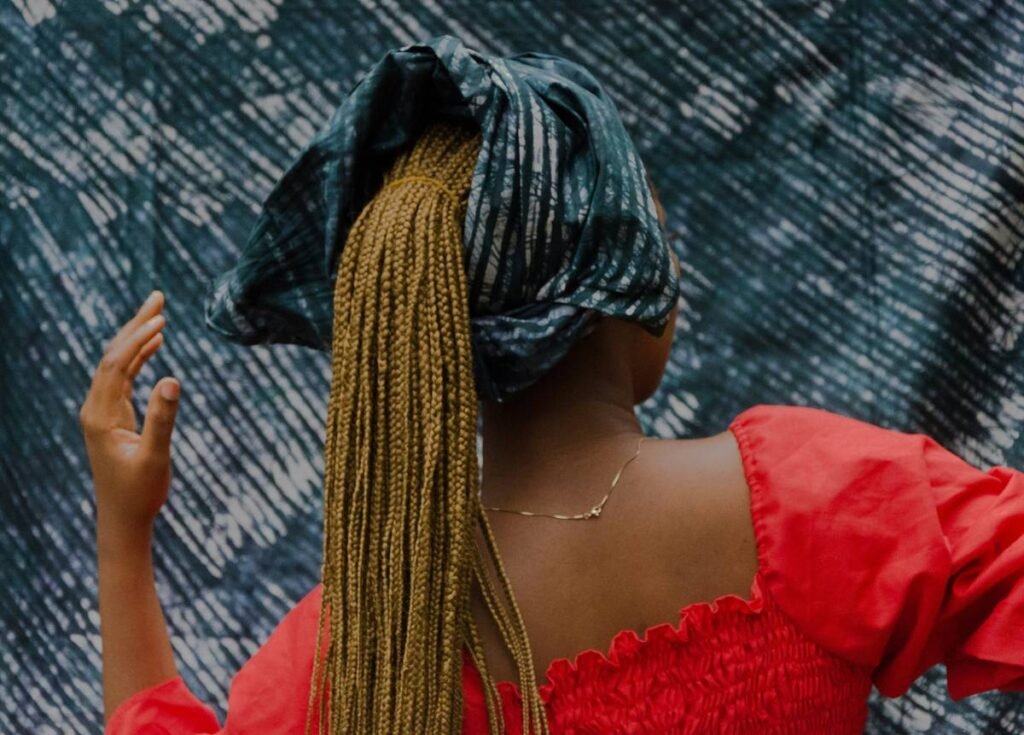
Let’s get real: calling every headwrap a “hair turban” erases centuries of meaning. A Nigerian bride’s gele isn’t just fabric—it’s a symbol of dignity, marital status, and Yoruba identity. A Sikh man’s pagri (or turban) represents sovereignty, equality, and devotion to faith. For Orthodox Jewish women, the tichel embodies modesty (tzniut) and spiritual focus.
According to UNESCO, traditional headwrapping practices across West Africa alone span over 50 ethnic groups, each with distinct folding techniques, colors, and occasions. Meanwhile, the Sikh Coalition reports that nearly 75% of Sikh Americans have faced discrimination tied to their turbans post-9/11—a painful reminder that these aren’t “costumes.”
I once bought a $12 “boho turban” off Amazon, wore it to brunch, and captioned it “good hair day vibes.” No mention of Nigeria. No nod to Sikhism. Just… vibes. 🙃 That wasn’t appreciation. That was lazy—and honestly, disrespectful. My wake-up call came when a friend gently asked, “Do you know where that style comes from?” Cue my deep dive into ethnography, textile history, and a whole lot of listening.
How to Wear Cultural Hair Wraps Respectfully (Step-by-Step)
Can I wear a cultural hair wrap if I’m not from that culture?
Optimist You: “Absolutely—with intention!”
Grumpy You: “Ugh, fine—but only if you do the damn reading first.”
Yes, cross-cultural exchange can be beautiful—but it must be rooted in respect. Here’s how:
Step 1: Identify the Specific Tradition
Don’t say “African wrap.” Be precise. Is it a Yoruba gele? A Ghanaian duku? Research who wears it, when, and why. The Met’s African Art Collection is a goldmine for visuals and context.
Step 2: Understand Symbolism
In many cultures, color = code. White gele for funerals in Nigeria. Red for brides in parts of Ghana. Navy blue for scholars in Sikh traditions. Wearing white at a wedding? Might send the wrong message.
Step 3: Credit & Contextualize
If posting online, name the tradition. Example: “Styling a modern take on the Yoruba gele—learned from @LagosStyleGuide.” Not “cute head thing I made up.”
Step 4: Support Originators
Buy from Black-owned, Sikh-led, or culturally affiliated brands like Wrapunzel (for tichels) or Dukka Africa. Avoid mass-produced “ethnic” prints from fast fashion retailers.
Best Practices for Styling & Caring for Your Wrap
What fabric works best for cultural hair wraps?
Optimist You: “Silk! Satin! Breathable cotton!”
Grumpy You: “Just don’t use polyester from Shein unless you enjoy scalp sweat and static.”
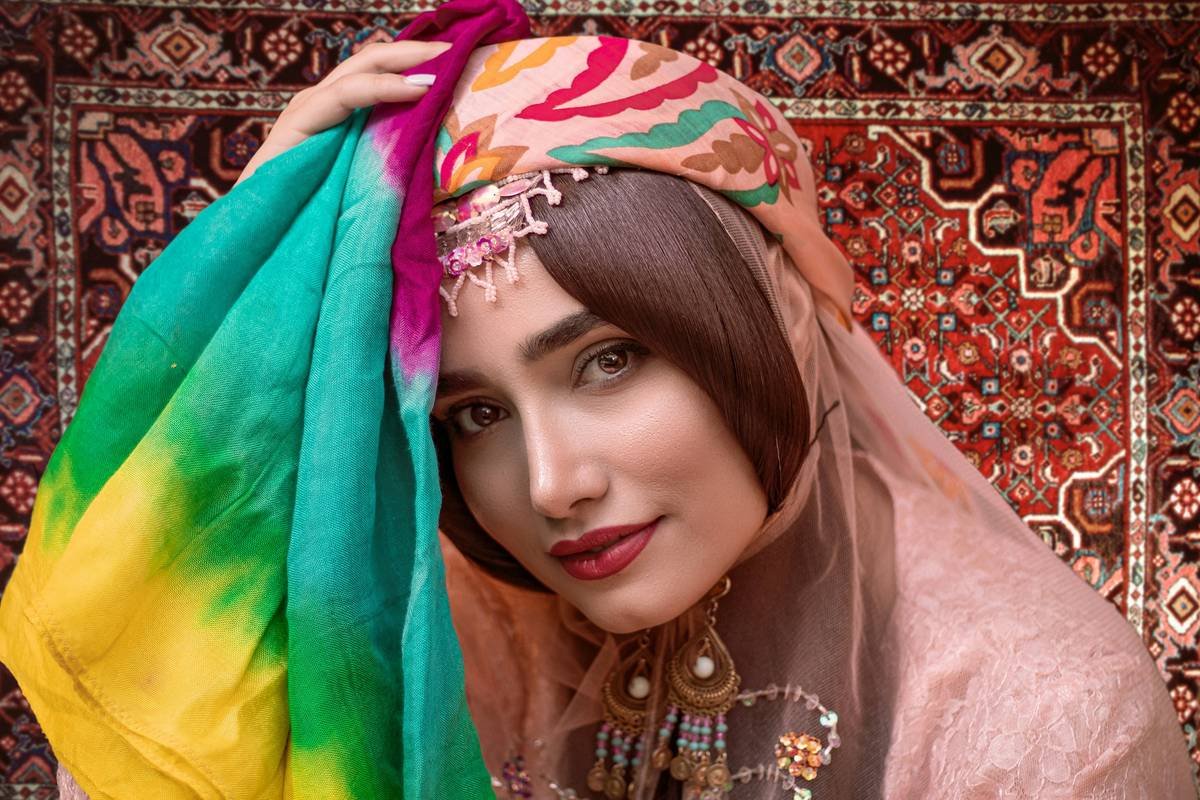
- Silk (mulberry): Ideal for delicate edges and moisture retention. Used traditionally in Middle Eastern hijabs and bridal gele.
- Cotton Ankara: Stiff enough to hold dramatic folds (classic for gele). Look for authentic Dutch wax prints from Vlisco or ABC Wax.
- Stretch Satin: Great for everyday turbans, but avoid calling them “gele”—they lack structure for true traditional styling.
Terrible Tip Alert ⚠️
“Just tie any scarf however—it’s all the same!” Nope. Folding a Sikh dastar requires precise layering to maintain its symbolic crown-like shape. Slapping on a bandana and calling it “inspired”? That’s not homage. That’s reduction.
Real-World Examples: From Gele to Tichel
Case Study 1: The Gele Revival in Nigeria
Lagos stylist Amina Bello teaches virtual gele workshops to women globally—but only after requiring a 20-minute history module. Her students learn that the height of a gele once signaled a woman’s husband’s wealth. Result? 92% of participants report deeper cultural connection vs. trend-driven styling (Bello Studio Survey, 2023).
Case Study 2: Wrapunzel’s Ethical Model
Founded by a Jewish woman seeking modest yet stylish tichels, Wrapunzel partners with Orthodox female artisans in Jerusalem. Each product page includes educational notes on tzniut. Revenue supports local schools. This isn’t just commerce—it’s community preservation.
FAQs About Cultural Hair Wraps
Are hair turbans the same as cultural hair wraps?
No. Modern “hair turbans” (often stretchy, for drying hair) are functional accessories. Cultural hair wraps are identity markers with ritual significance. Overlap exists—but context defines intent.
Can men wear cultural hair wraps?
Absolutely. Sikh men wear dastars daily. Tuareg men in North Africa wear indigo tagelmusts. Never assume headwraps are “feminine.”
Where can I learn authentic wrapping techniques?
Seek out creators from the culture:
– Yoruba gele: @GeleByNgozi on Instagram
– Tichel tying: Wrapunzel’s YouTube tutorials
– Sikh dastar: Basics of Sikhi (YouTube)
Is it okay to wear a hijab if I’m not Muslim?
Generally, no—unless invited (e.g., visiting a mosque). The hijab is a religious obligation, not a fashion statement. Opt for secular headwraps instead.
Conclusion
Cultural hair wraps aren’t trends—they’re living traditions. Wearing one with awareness means honoring the hands that passed them down, the histories they protect, and the identities they affirm. So next time you reach for that scarf, ask: “Whose story am I holding?” Then style accordingly.
Like a Tamagotchi, your cultural curiosity needs daily care. Feed it truth. Don’t let it die on read.
Silk holds memory—
Not just of oil, but of prayer,
Of pride, of resistance.