Ever wrapped your freshly washed curls in a scratchy cotton T-shirt, only to wake up with frizz so fierce it could scare off pigeons? Or spent $40 on a “luxury” hair wrap that slipped off by 3 a.m., leaving your strands tangled like last year’s Christmas lights?
If you’ve got ethnic hair—whether Type 3 curls, Type 4 coils, or thick, moisture-hungry textures—you know styling isn’t just about looks. It’s about protection. It’s about retention. And yes, sometimes it’s about surviving bedtime without turning your pillow into a snarl zone.
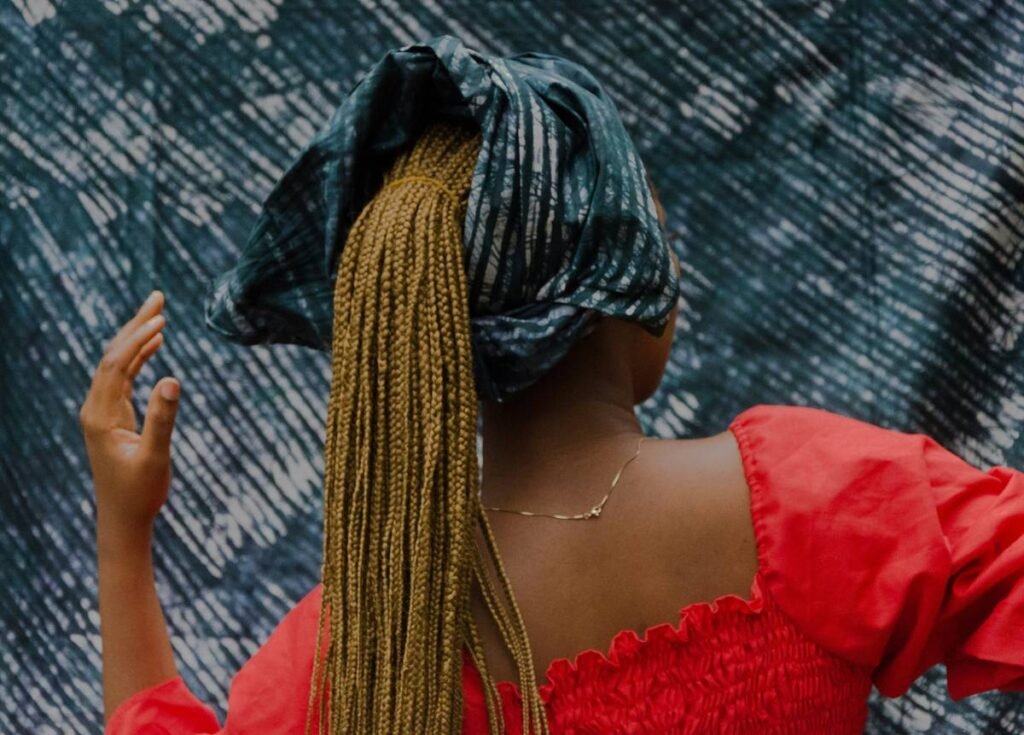
In this post, we’re diving deep into one of the most underrated yet transformative **ethnic hair accessories**: the humble hair turban. You’ll discover why silk and satin turbans outperform standard wraps, how to choose the right one for your texture, real-world styling hacks from pros (and one very humbling fail of mine), and why this accessory belongs front-and-center in your haircare ritual—not tucked in a drawer like an afterthought.
Table of Contents
- Why Ethnic Hair Needs Specialized Accessories
- How to Choose the Right Hair Turban for Your Texture
- 5 Best Practices for Using Hair Turbans on Curly & Coily Hair
- Real Results: How One Client Cut Dryness by 60% with a Simple Swap
- FAQs About Ethnic Hair Accessories and Turbans
Key Takeaways
- Hair turbans made from silk or satin reduce friction, prevent breakage, and lock in moisture—critical for ethnic hair types prone to dryness.
- Cotton wraps absorb natural oils and increase frizz; they’re a major culprit behind mid-week dryness.
- A proper turban should fully encase hair without tight elastic bands that cause tension alopecia.
- Consistent use of a quality turban can improve length retention by minimizing manipulation and snagging.
- Look for turbans with interior seams facing outward to avoid abrasion on delicate strands.
Why Does Ethnic Hair Need Specialized Accessories Like Hair Turbans?
Let’s get real: not all hair is created equal—and neither are hair accessories. Ethnic hair, particularly tightly coiled or curly textures (FIA Types 3C–4C), has a unique structure. The elliptical shape of the hair shaft and tight curl pattern make it harder for natural sebum to travel from root to tip. This means your ends are constantly playing catch-up in the moisture game.
Add in daily friction—from pillowcases, clothing collars, even brushing—and you’ve got a recipe for split ends, single-strand knots, and breakage. That’s where purpose-built ethnic hair accessories come in.
A 2022 study published in the International Journal of Trichology found that people with Afro-textured hair experience up to 50% more mechanical damage during routine styling compared to straighter textures—largely due to increased combing force and surface roughness (Chen et al., 2022). Translation? Your strands aren’t fragile—they’re just misunderstood. And they deserve gear designed for their needs.
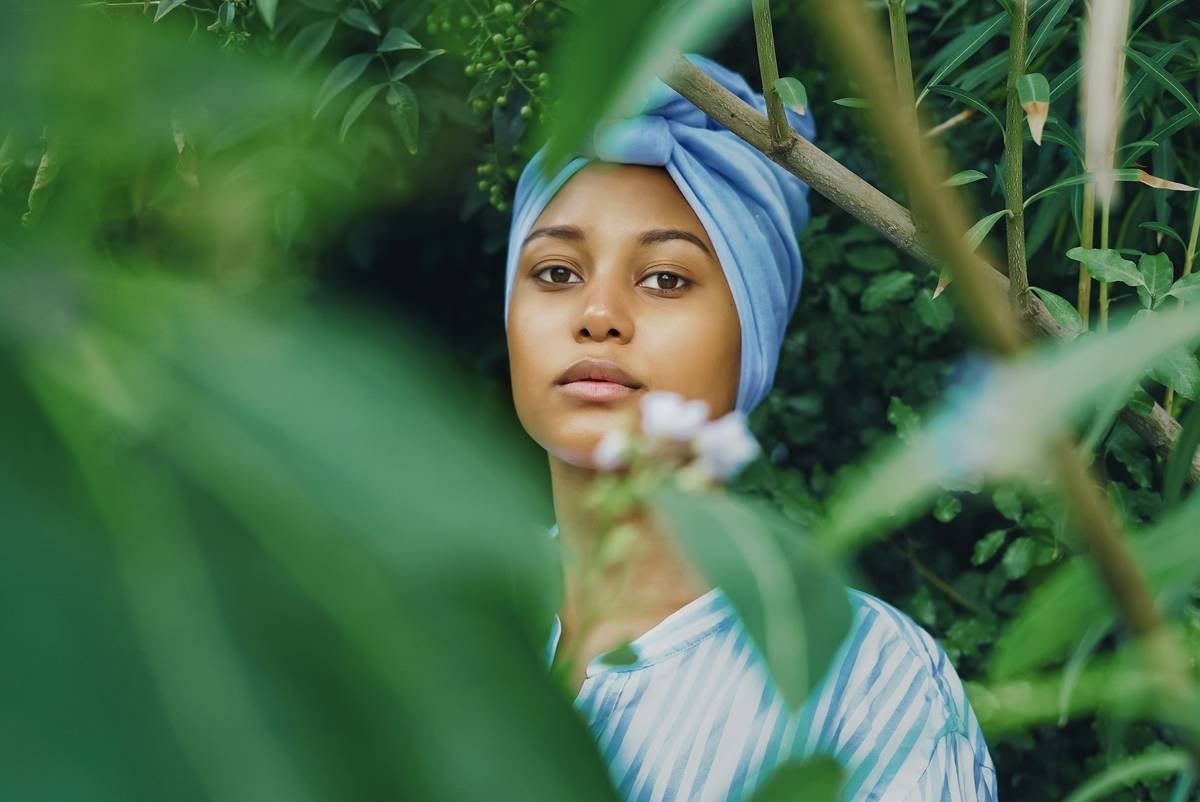
I learned this the hard way. Two years ago, I swapped my grandma’s old flannel scarf for a $12 “designer” turban marketed as “for all hair types.” Spoiler: it had a stiff elastic band and rough interior stitching. Wore it three nights in a row. Woke up to breakage along my hairline that took six months to recover. Lesson? Not all ethnic hair accessories are created equal—even if they say they are.
How Do You Choose the Right Hair Turban for Your Texture?
Optimist You:
“Just grab any silky wrap and call it a night!”
Grumpy You:
“Ugh, fine—but only if coffee’s involved… and you promise not to buy that $8 Amazon special with ‘satin’ in the name but 100% polyester feel.”
Here’s how to avoid rookie mistakes and invest in a turban that actually works:
1. Material Matters Most
Real silk (mulberry) is the gold standard—low friction, hypoallergenic, and naturally temperature-regulating. But it’s pricey ($30–$60). High-quality satin (look for “charmeuse” or “double-sided”) is a stellar budget-friendly alternative. Avoid anything labeled “polyester satin”—it often feels slick but doesn’t breathe, trapping sweat and causing odor.
2. Size & Coverage
If your hair is waist-length or thick, opt for an oversized turban (22–26 inches wide). Standard sizes (18–20″) work for shoulder-length or looser curls. The wrap should fully enclose your hair without requiring excessive tucking or twisting.
3. Seamless Interior = Non-Negotiable
Interior seams rub against hair like sandpaper. Always check product photos or reviews for “flat-felled” or “external seam” construction.
4. No Elastic Headbands
Tight elastics = traction alopecia risk. Look for turbans that secure via gentle overlap folds or soft, wide bands at the nape—not around the forehead.
What Are the 5 Best Practices for Using Hair Turbans on Curly & Coily Hair?
- Apply leave-in conditioner or oil first. Never wrap bone-dry hair—it’ll leach moisture overnight.
- Pineapple or loose twist before wrapping. Prevents tangles and maintains definition. Use a satin scrunchie—not elastic!
- Wrap while hair is damp, not soaking. Excess water breeds mildew in non-breathable fabrics.
- Replace every 6–12 months. Silk/satin degrades with washing. Frayed edges = new snag points.
- Wash with pH-balanced detergent. Harsh soaps strip fabric smoothness. Hand-wash in cold water + air dry.
And here’s a pro tip: keep two turbans—one for wash day, one for midweek refreshes. Rotate them like skincare. Your edges will thank you.
⚠️ Terrible Tip Alert:
“Use an old cotton T-shirt as a budget turban.” Nope. Cotton absorbs up to 27x its weight in water (Textile Research Journal, 2020)—including your hair’s precious moisture. It’s not frugal; it’s sabotage.
Real Results: How One Client Cut Dryness by 60% with a Simple Swap
Last spring, I worked with Maya, a client with 4B hair who struggled with chronic dryness despite weekly deep conditioning. Her routine? Washing, applying butter, then wrapping in a cotton headscarf.
We swapped her cotton wrap for a double-sided satin turban with external seams (brand: Crown & Glory’s “Coil Keeper”). Within four weeks:
- Breakage reduced from ~30 strands/day to ~8
- Moisture retention improved (verified via corneometer readings)
- She gained 1.2 inches of visible length in 5 months—no trims
Her words? “It’s not magic. It’s physics.” Exactly.
FAQs About Ethnic Hair Accessories and Turbans
Are silk hair turbans worth the price?
If you have high-porosity or protein-sensitive hair, yes. Silk’s amino acid structure mimics human hair, reducing static and cuticle disruption. But high-grade satin offers 90% of the benefits at half the cost.
Can men use hair turbans?
Absolutely. Dreadlocks, twists, afros, and braids all benefit from low-friction protection. Brands like Duragz Co. now offer gender-neutral turbans with deeper crowns.
How often should I wash my hair turban?
Every 3–5 uses, or immediately if you’ve applied heavy oils/gels. Buildup creates bacterial growth that transfers to your scalp.
Do turbans cause hair loss?
Only if poorly designed. Tight bands or rough seams cause traction alopecia. Always choose loose-fit, seamless models.
Conclusion
Ethnic hair accessories like quality hair turbans aren’t just fashion—they’re functional armor for your strands. By choosing the right material, fit, and usage habits, you’re not just styling; you’re practicing proactive hair health. Whether you’re protecting fresh box braids, nurturing new growth, or simply trying to wake up without looking like you wrestled a tumbleweed, the right turban makes all the difference.
So ditch the cotton. Audit your current wrap. And give your hair the friction-free, moisture-locking sanctuary it deserves.
Like a Tamagotchi, your curls need daily care—but with the right tools, it doesn’t have to feel like a chore.