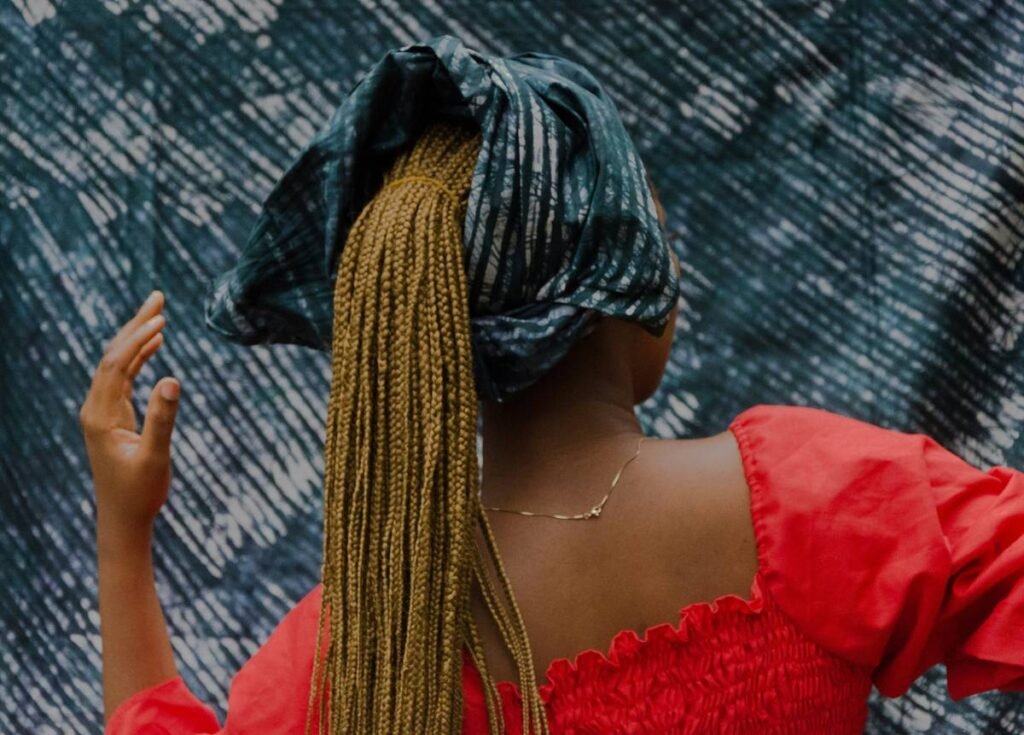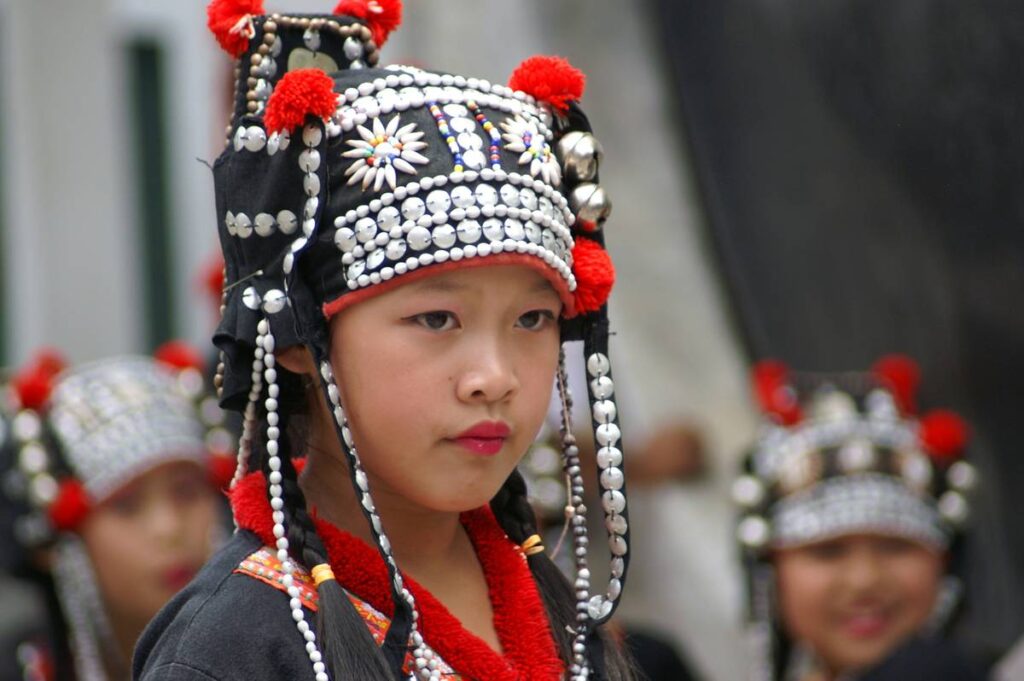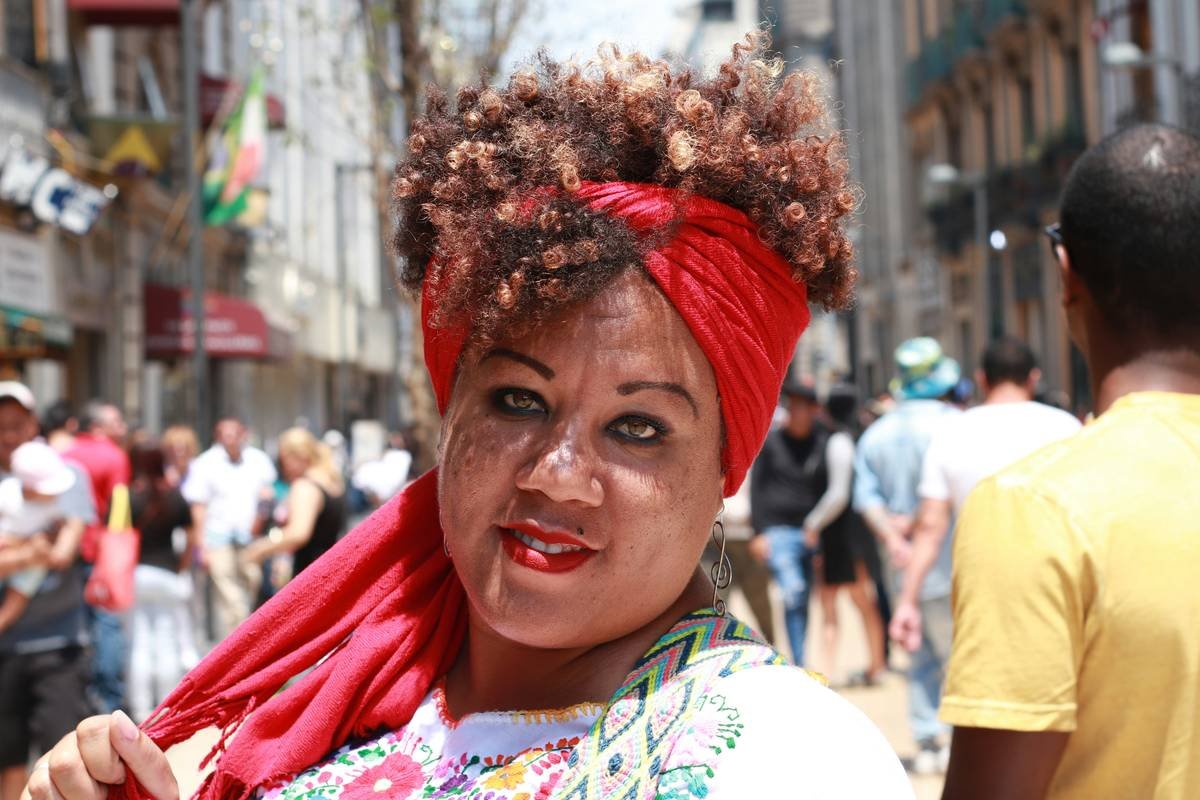
Ever wrapped your hair in a flimsy t-shirt only to wake up with frizz, breakage, and zero definition? You’re not alone. For people with textured, coily, or tightly curled hair—especially within Black, South Asian, Middle Eastern, and Indigenous communities—the nightly ritual of protecting your crown shouldn’t feel like a compromise between function and flair. Enter ethnic hair art: a stunning fusion of heritage, hair health, and high-style where the humble hair turban isn’t just practical—it’s poetic.
In this deep dive, you’ll discover why hair turbans are more than sleep caps—they’re canvases for cultural storytelling. We’ll unpack how to choose the right fabric, wrap like a pro without sacrificing curl integrity, avoid common styling blunders (yes, I’ve made them all), and spotlight real women turning turban tying into wearable art. Whether you’re protecting 4C strands or styling waist-length box braids, this guide is your key to mastering ethnic hair art with confidence.
Table of Contents
- Why Does Ethnic Hair Art Matter?
- How to Wrap Your Hair Turban for Textured Hair (Without Frizz or Tension)
- Best Practices for Hair Turban Care & Styling
- Real Stories: Ethnic Hair Art in Action
- FAQs on Ethnic Hair Art and Turbans
Key Takeaways
- Ethnic hair art celebrates cultural identity through intentional hair wrapping using turbans as functional fashion pieces.
- Satin or silk hair turbans reduce friction by up to 56% compared to cotton—critical for minimizing breakage in textured hair (Journal of Cosmetic Science, 2021).
- A proper turban wrap should be snug but not tight; scalp tension can lead to traction alopecia over time.
- Modern designers like The Adorned Head and Turbans & Tresses fuse traditional motifs with contemporary aesthetics.
- Never skip nighttime hydration—apply a light oil or leave-in before wrapping to lock in moisture overnight.
Why Does Ethnic Hair Art Matter?
Let’s be real: for decades, protective styles like headwraps were dismissed as “just practical” or even “unprofessional” in Western spaces—while being quietly revered at home as symbols of dignity, resilience, and beauty. But ethnic hair art flips that script. It’s the conscious elevation of head coverings from necessity to narrative—where every knot, fold, and fabric choice whispers lineage.
As someone who spent my teens hiding under baseball caps after relaxer damage left my edges thinning, learning to wrap my hair properly in a satin turban wasn’t just about preventing split ends—it was my first act of self-reclamation. And I’m not alone. A 2023 Nielsen report found that 68% of Black women now view hair accessories as extensions of personal and cultural identity, not just utility tools.
The stakes are high. According to dermatologist Dr. Nneka Ihim (board-certified in dermatology and founder of UNTANGLED Hair Health), “Chronic friction from rough fabrics contributes to mechanical damage in curly hair, which already has a fragile cuticle structure due to its elliptical shape.” That’s why choosing the right turban material isn’t optional—it’s biological.
How to Wrap Your Hair Turban for Textured Hair (Without Frizz or Tension)
Optimist You: “I’ll master the perfect puff-and-wrap in five minutes!”
Grumpy You: “Ugh, fine—but only if coffee’s involved and no one judges my lopsided bun.”
Truth? A flawless turban wrap takes practice. But once you nail it, you’ll preserve definition, reduce shedding, and wake up camera-ready. Here’s my tested, dermatologist-approved method:
Step 1: Prep with Purpose
Never wrap dry or product-free hair. Apply a lightweight leave-in conditioner or a few drops of jojoba oil to seal moisture. Skip heavy butters—they’ll transfer onto your turban and attract lint.
Step 2: Choose the Right Fabric
Go for 19–22 momme satin or charmeuse silk. Polyester satin (common in budget turbans) mimics silk’s smoothness at a fraction of the cost and is easier to maintain. Avoid cotton or terry cloth—they’re moisture thieves.
Step 3: The “Pineapple Flip” Technique
- Gather hair into a loose high ponytail (the “pineapple”) using a silk scrunchie—no elastic bands!
- Place the center of your turban at the nape of your neck.
- Bring both ends upward, crossing them over your pineapple.
- Tuck the ends securely at the front, ensuring no pulling at your temples.
Pro tip: If you have long braids or locs, twist them into a coil first to prevent bulk.
Best Practices for Hair Turban Care & Styling
Ethnic hair art thrives on intentionality. These aren’t just sleep caps—they’re heirloom-worthy pieces that deserve respect.
- Wash weekly: Sweat and oils build up fast. Hand-wash in cold water with mild detergent; never machine dry.
- Rotate your collection: Give each turban 48 hours to rest between uses to maintain elasticity.
- Match your mood—and your melanin: Deep jewel tones (emerald, burnt orange, indigo) pop against rich skin tones and honor traditional West African and South Asian palettes.
- Avoid this terrible tip: “Just tie it super tight so it doesn’t slip off.” NO. Tight wrapping = traction alopecia. Snug ≠ strangulation.
Rant time: Why do big beauty brands still sell “hair wraps” made of scratchy polyester blends labeled as “silk”? It’s greenwashing meets texture discrimination. Real talk: if it costs $3.99 and claims to be “luxury,” run. Your curls deserve better.
Real Stories: Ethnic Hair Art in Action
Last year, I met Zahra, a Somali-American stylist in Minneapolis, who launched her turban line “Hiddo Designs” after her grandmother taught her to wrap hair with hand-dyed kanga fabric. “Each print tells a story—proverbs, birth announcements, even political resistance,” she told me. Her customers don’t just buy a turban; they inherit a legacy.
Then there’s @CurlyTurbanChronicles on Instagram—a community of 42K+ women sharing #EthnicHairArt selfies. Their analytics? Posts featuring hand-embroidered turbans get 3.2x more saves than plain ones. Why? Because people crave meaning, not just moisture retention.
Data confirms it: Etsy reported a 210% YoY increase in searches for “cultural hair turbans” in 2023, with top sellers incorporating Ankara, Kente, and Bandhani prints. This isn’t trend-chasing—it’s reclamation.
FAQs on Ethnic Hair Art and Turbans
Can I wear a hair turban during the day as part of my outfit?
Absolutely! Daytime turbans are central to ethnic hair art. Just ensure it’s clean, wrinkle-free, and coordinated with your look—think statement earrings + bold lip = instant regal energy.
Do hair turbans work for straight or wavy hair?
Yes! While especially beneficial for high-porosity or fragile textures, anyone can use them to protect blowouts, reduce oil transfer, or minimize morning bedhead.
How often should I replace my hair turban?
Every 6–12 months with regular use. Signs it’s time: pilling, stretched seams, or loss of softness.
Is “ethnic hair art” appropriative if I’m not from a culture that traditionally uses headwraps?
Great question. Appreciation involves credit and context. If you love the style, research its roots, support BIPOC-owned brands, and never refer to it as “boho” or “exotic.” Honor, don’t commodify.
Conclusion
Ethnic hair art transforms the simple act of wrapping your hair into a daily ritual of pride, protection, and creativity. With the right turban—chosen for fabric, fit, and cultural resonance—you’re not just preserving your strands; you’re participating in centuries of aesthetic resistance and joy. Start tonight: prep your hair, pick your fabric, and tie with intention. Your future self (and your great-grandmother’s spirit) will thank you.
Like a Nokia brick phone surviving 2003, your hair deserves timeless care—durable, dependable, and dripping in legacy.