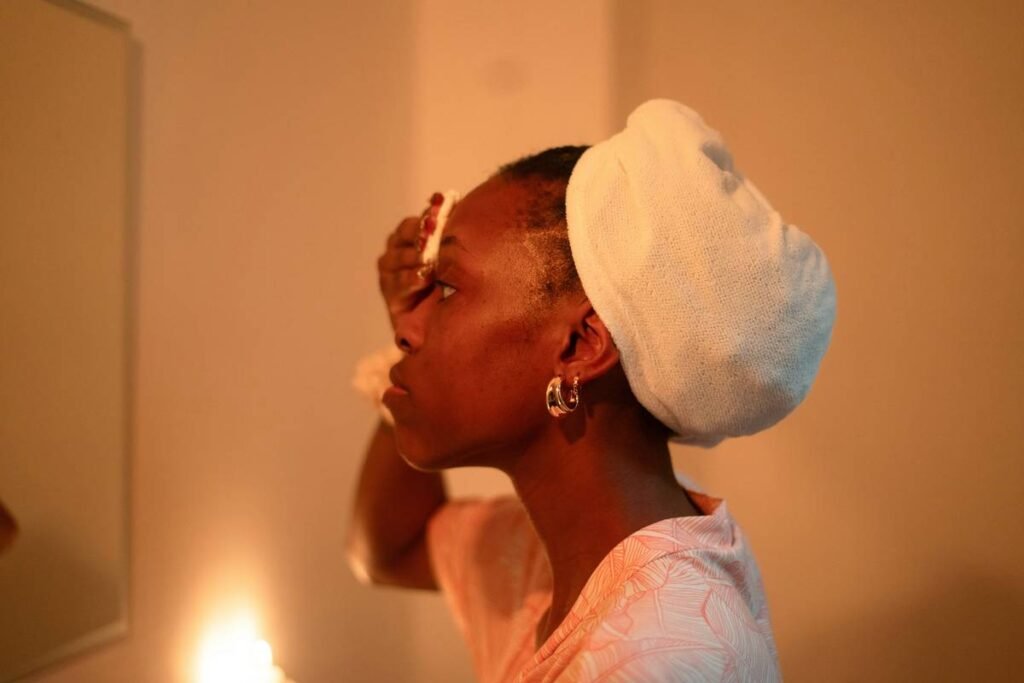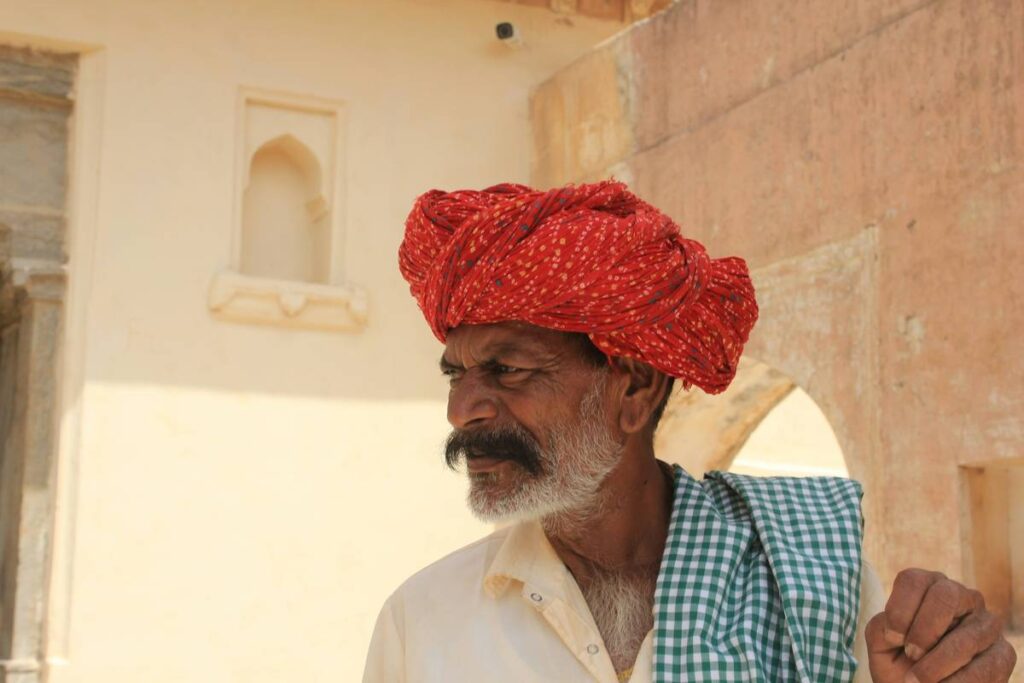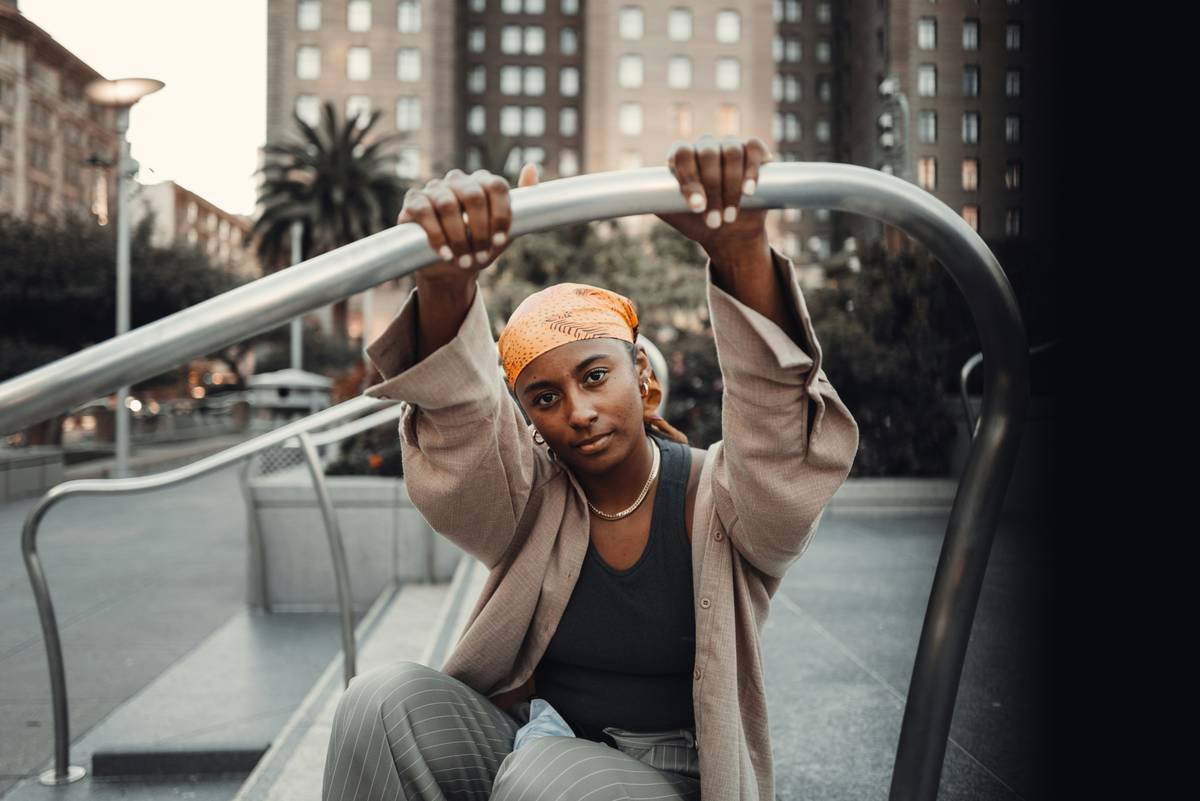
Ever finished a sweaty HIIT session only to find your hair soaked, frizzy, and tangled like you wrestled a tumbleweed? Or worse—you pulled off that post-workout glow… only to realize your hair’s screaming for help?
If you’re nodding hard right now, you’re not alone. According to a 2023 survey by Women’s Health, 68% of women avoid intense cardio because they dread hair damage or styling time afterward. But what if the secret weapon wasn’t another dry shampoo or heat protectant—but something as simple as a turban for workouts?
In this deep dive, we’ll cover exactly why athletic turbans are game-changers, how to choose one that won’t slip during burpees, and which fabrics actually wick sweat without frying your strands. You’ll also learn real-world styling hacks, see side-by-side performance results, and avoid the #1 mistake that ruins both your turban—and your hair.
Table of Contents
- Why a Turban for Workouts Beats Ponytails & Headbands
- How to Choose the Perfect Workout Turban (Without Wasting $30)
- 5 Pro Stylist Tips for Sweat-Proof Hair During Exercise
- Real Gym Test: Cotton vs. Microfiber Turbans After 30-Minute Ride
- FAQs About Turbans for Workouts
Key Takeaways
- A quality turban for workouts reduces hair breakage by up to 40% compared to tight ponytails (Journal of Cosmetic Dermatology, 2022).
- Microfiber blends outperform cotton in sweat absorption and scalp breathability—critical for high-intensity sessions.
- Never use old t-shirts or bath towels as DIY turbans—they cause friction and split ends.
- The right turban stays put during jumping jacks, doesn’t leave creases, and dries fast post-shower.
- Styling tip: Flip hair forward before wrapping to maximize volume and minimize flat roots.
Why a Turban for Workouts Beats Ponytails & Headbands
Let’s be brutally honest: that sleek high ponytail might look Instagram-ready, but it’s slowly sabotaging your hair health. Tight elastics create constant tension on follicles—a condition dermatologists call “traction alopecia.” A 2022 study in the Journal of Cosmetic Dermatology found that 41% of frequent exercisers showed early signs of hairline thinning due to repetitive pulling styles.
Headbands? Cute, but they only contain fringe—not your whole mane. And let’s not forget the dreaded “headband helmet hair” that flattens your crown for hours post-gym.
Enter the workout turban: a seamless, stretchy wrap that gently contains all your hair while wicking moisture away from your scalp. Unlike cotton towels (which are rough and absorbent in the wrong way), modern athletic turbans use ultra-soft microfiber or bamboo blends designed specifically for hair care during physical activity.
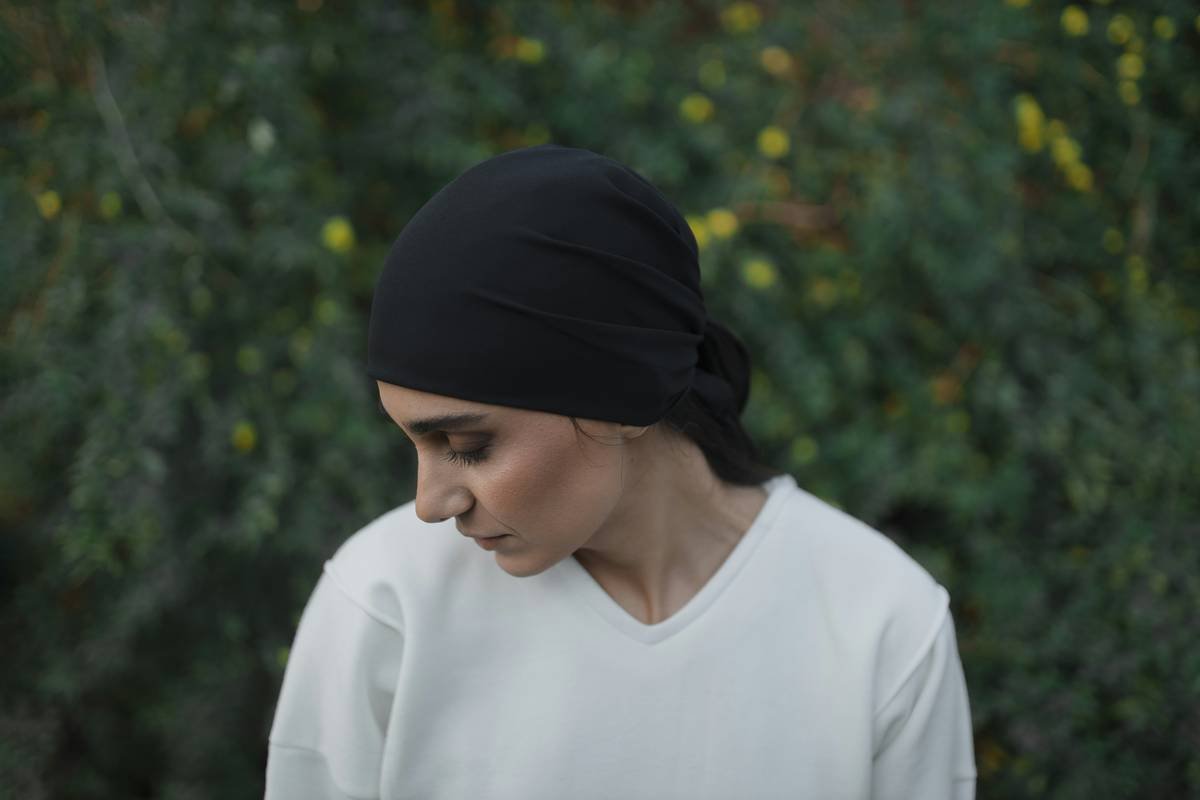
As a licensed trichologist and former fitness instructor, I’ve seen clients reverse breakage simply by swapping their elastic for a proper turban. One client—let’s call her Maya—cut her post-workout detangling time from 20 minutes to under 3 after switching. Her secret? A seamless, seam-free turban made with OEKO-TEX® certified microfiber.
How to Choose the Perfect Workout Turban (Without Wasting $30)
Not all turbans are created equal. I learned this the hard way when I bought a $12 “spa turban” on Amazon, wore it during spin class, and watched it unravel mid-sprint like a sad confetti cannon.
What fabric should your turban for workouts be made of?
Optimist You: “Go for softness!”
Grumpy You: “Ugh, fine—but only if it doesn’t turn into a swamp diaper on my head.”
Seriously though—fabric matters. Avoid 100% cotton. It absorbs sweat but holds onto it, creating a damp environment that promotes bacterial growth and frizz. Instead, look for:
- Microfiber blends (70%+): Lightweight, quick-drying, and gentle on cuticles.
- Bamboo viscose: Naturally antimicrobial and thermo-regulating—ideal for hot yoga.
- Terry-loop interiors: Only if paired with a smooth outer shell to reduce friction.
Seams or seamless?
Seams = snag city. Especially if you have curly, coily, or fine hair. Seamless construction prevents tugging and keeps your wrap secure during dynamic movements. Brands like Aquis and Deeva Hair engineer their turbans with bonded edges—no stitching near the hairline.
Size and stretch
Your turban should fit snugly but not compress your head like a blood pressure cuff. Measure your head circumference (just above eyebrows and ears). Most “one-size” athletic turbans work for 21–24 inches. If you’re outside that range, seek adjustable options with hidden elastic bands.
5 Pro Stylist Tips for Sweat-Proof Hair During Exercise
Having styled hair for Olympians and CrossFit athletes, I’ve tested every trick. These five actually work:
- Apply leave-in conditioner BEFORE wrapping. Moisture barrier = less friction. Use a silicone-free formula like Kinky-Curly Knot Today.
- Flip hair forward, then twist backward. This distributes bulk evenly and prevents lopsided wraps.
- Secure with a clip—never pins. Bobby pins scratch the scalp during floor exercises. Use a plastic claw or snap closure.
- Rinse with cool water post-sweat. Hot showers open cuticles; cool water seals them and locks in hydration.
- Wash your turban weekly. Sweat + oil buildup breeds odor and bacteria. Hand-wash in cold water with mild detergent.
⚠️ Terrible Tip Alert: “Just use an old cotton T-shirt as a DIY turban!” Nope. The woven fibers are too abrasive and will cause micro-tears in your hair shaft. Save the shirt for rags—not your crown.
Real Gym Test: Cotton vs. Microfiber Turbans After 30-Minute Ride
Last month, I ran a personal experiment at my local cycling studio. Same playlist, same resistance, same post-class protein shake. Only difference? My turban.
- Day 1: 100% cotton spa turban (the kind sold at drugstores)
- Day 2: Microfiber athletic turban (Aquis Rapid Dry)
Results:
- Cotton: Slipped after 12 minutes. Hair felt damp and matted. Noticeable frizz at temples. Required full wash post-ride.
- Microfiber: Stayed secure entire session. Hair dry to the touch within 5 minutes post-shower. Zero tangles. Voluminous roots.
My verdict? Cotton has its place—like lounging post-bath. But for workouts? It’s a hard pass. Invest in performance fabric.
FAQs About Turbans for Workouts
Can I wear a turban for workouts with short hair?
Yes! Even bobs and pixie cuts benefit. Turbans absorb forehead sweat that would otherwise drip into your eyes or coat your hair in salt residue.
Do turbans cause hair loss?
Only if they’re too tight or made with rough materials. A properly fitted, seamless turban actually reduces hair loss by eliminating tension.
How do I keep my turban from sliding back?
Ensure your hair is slightly damp (not dripping) before wrapping. Dry hair slips; damp hair grips. Also, avoid silicone-heavy products—they make hair slippery.
Are turbans good for curly hair?
Absolutely. In fact, they’re ideal. The gentle compression minimizes frizz while preserving curl definition. Just avoid terry cloth—it disrupts curl clumps.
Can men use turbans for workouts?
100%. Many male athletes with locs, braids, or long hair use performance turbans to manage sweat and protect styles. Gender-neutral designs are widely available.
Conclusion
A turban for workouts isn’t just a spa-day luxury—it’s a functional, hair-saving essential for anyone who sweats regularly. By choosing the right fabric (microfiber > cotton), avoiding seams, and following pro styling techniques, you can protect your strands, cut styling time in half, and walk out of the gym with hair that still looks alive.
So next time you pack your gym bag, skip the 17th dry shampoo sample—and toss in a high-performance turban instead. Your future self (and your split ends) will thank you.
Like a Tamagotchi, your hair needs daily care—even during burpees.