Ever wrapped your hair in a soft cotton turban after a deep-conditioning mask, only to realize someone mistook it for a fashion trend ripped straight from Instagram—without any nod to its roots? Yeah, me too. I once posted a #OOTD pic rocking a beautifully dyed indigo headwrap from Nigeria, captioned “new fav spa look 💆♀️✨,” and got 47 DMs asking where to buy the “aesthetic sleep cap.”
That moment was my wake-up call: cultural headwraps aren’t accessories—they’re heirlooms, acts of identity, resistance, and reverence. And if you’re drawn to them (whether for hair protection, style, or spiritual practice), you owe it to their legacy to understand them fully.
In this post, we’ll unpack the true meaning behind cultural headwraps across continents, explore how they differ from generic hair turbans, and—most importantly—show you how to wear them with intention, not appropriation. You’ll learn:
- The historical and spiritual significance of headwraps in West Africa, South Asia, and the African diaspora
- How to choose ethically sourced, culturally respectful pieces
- Step-by-step tying methods that honor tradition while suiting modern needs
- Real stories from artisans and wearers who keep these practices alive
Table of Contents
- What Exactly Are Cultural Headwraps?
- How to Wear Cultural Headwraps with Respect & Purpose
- Best Practices for Ethical Styling & Care
- Real Stories: From Lagos to Brooklyn
- FAQs About Cultural Headwraps
Key Takeaways
- Cultural headwraps are deeply symbolic—not fashion props—and vary widely by region and tradition.
- Authentic headwraps are often hand-dyed (e.g., Nigerian gele, Indian dupatta wraps) and tied with specific techniques carrying social or spiritual meaning.
- Avoid mass-produced “tribal print” turbans sold as “boho chic”—they erase context and exploit heritage.
- Support Black- and Brown-owned businesses that educate buyers on origins and usage.
- When in doubt: ask, research, and credit sources. Wearing with awareness > wearing for likes.
What Exactly Are Cultural Headwraps—and Why Do They Matter?
Let’s clear this up fast: not all hair turbans are cultural headwraps. A standard hair turban—like the terry-cloth kind you slap on post-shower—is functional. It absorbs moisture, reduces frizz, protects strands. Cool. Useful. But neutral.
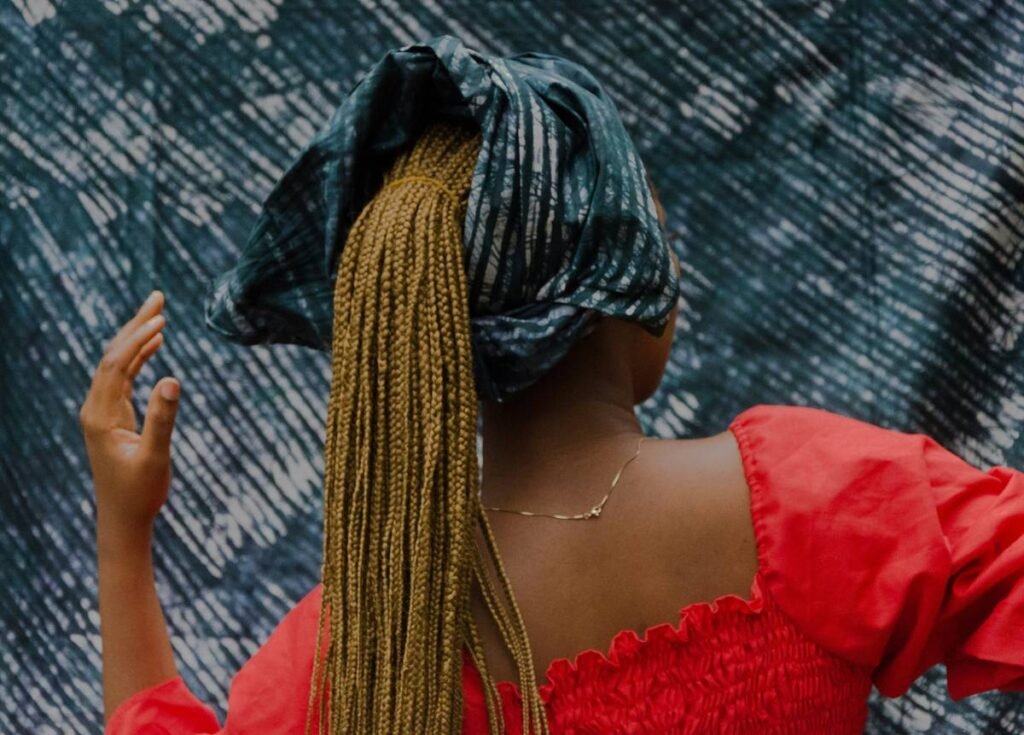
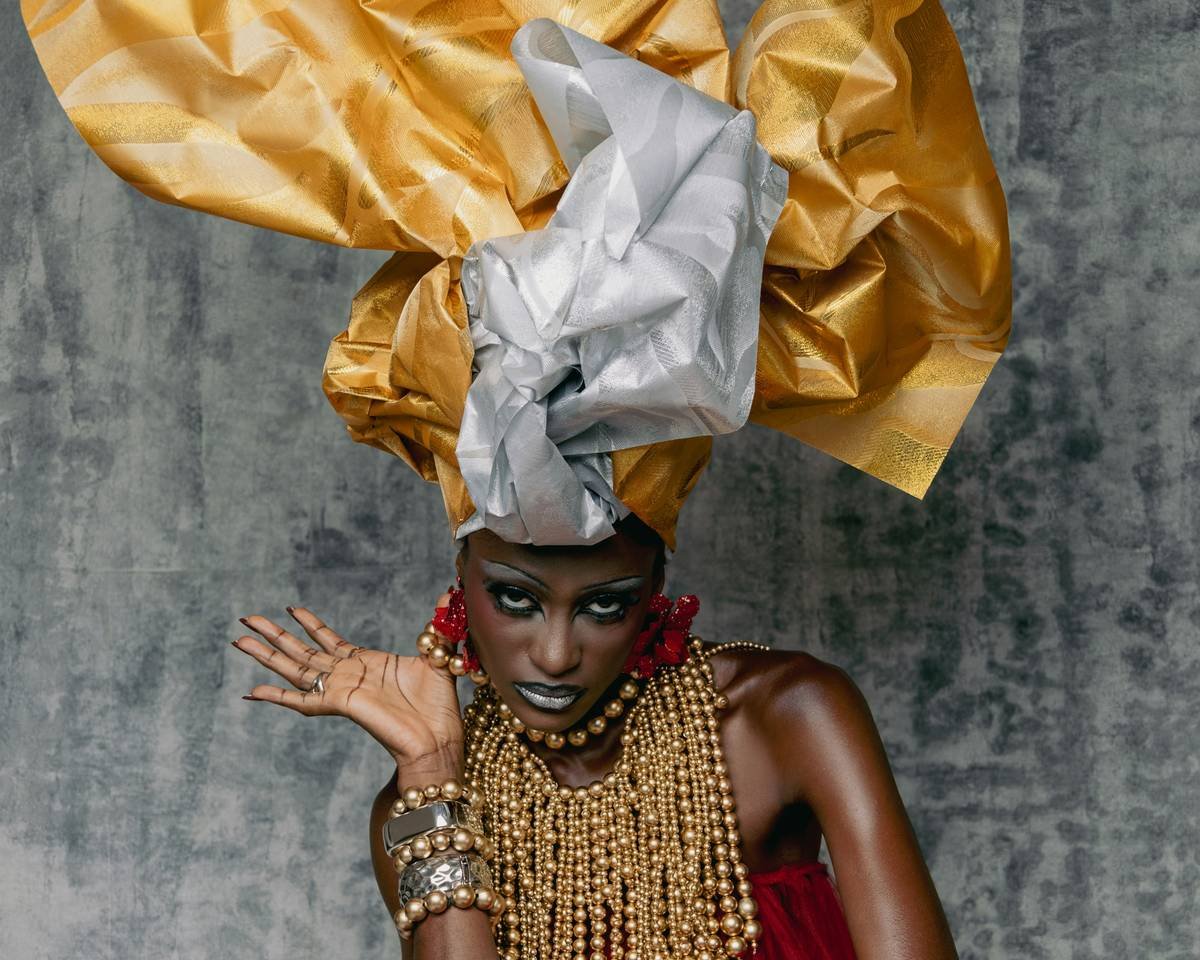
Cultural headwraps, on the other hand, are loaded with meaning. In Yoruba tradition (Nigeria, Benin, Togo), the gele isn’t just fabric—it’s a sculptural statement worn by brides, priestesses, and queens, signaling marital status, lineage, or spiritual role. The way it’s folded—high and stiff or soft and draped—speaks volumes.
In Sikhism, the dastar (turban) is a sacred article of faith representing equality, honor, and devotion. Removing it in public can feel like spiritual violence. Meanwhile, in parts of South India, married women wear the mundavalyam—a gold ornament pinned into headwraps—as a symbol of matrimony.
Even during slavery in the Americas, Black women used headwraps as covert resistance. Enslavers mandated them to mark “inferiority,” but wearers transformed them into canvases of dignity—tying elaborate knots that communicated community codes and preserved African identity.
Optimist You: “This is so empowering!”
Grumpy You: “Ugh, fine—but only if coffee’s involved *and* nobody calls it a ‘fashion hack.’”
How to Wear Cultural Headwraps with Respect & Purpose
You love the look. You respect the history. Now—how do you actually wear one without stepping over lines? Here’s a step-by-step guide rooted in real-world practice.
Step 1: Know What You’re Wearing—and Where It’s From
Is it a gele? A shayla (Gulf-style hijab)? A fila (Yoruba men’s cap-wrap hybrid)? Don’t guess. If the seller doesn’t name its origin or offer context, walk away. Reputable brands like Zuvaa (Pan-African marketplace) or SikhShop UK provide cultural notes with every piece.
Step 2: Choose Fabric & Fit Intentionally
Traditional gele uses stiff, starched aso-oke or damask—never stretchy jersey. For everyday hair protection, opt for organic cotton or bamboo viscose in solid colors or non-sacred prints. Avoid reproducing religious symbols (like Sikh khanda motifs) unless you’re part of that faith.
Step 3: Learn the Tie—From the Right Source
YouTube tutorials by Nigerian stylists like Tee Signature Style show authentic gele techniques. Don’t mimic a 10-second TikTok “quick wrap” that flattens centuries of craft into a #HairHack.
Terrible Tip Alert ❌
“Just throw on any printed scarf and call it cultural appreciation!” Nope. That’s like calling a baseball cap a sombrero because it’s round. Context is king.
Best Practices for Ethical Styling & Care
- Buy from makers, not miners. Support artisans via platforms like Etsy (filter for Black-owned shops) or cooperatives like Afrikrea.
- Never wear sacred styles as costumes. A Sikh dastar isn’t a “festival look.” Full stop.
- Wash gently. Hand-wash cotton wraps in cold water; air dry. Stiff fabrics like gele material shouldn’t be tumbled—they lose structure.
- Educate as you adorn. If posting on social, credit the culture: “Wearing a Nigerian gele today—honoring Yoruba bridal tradition 🇳🇬”
Real Stories: From Lagos to Brooklyn
I spoke with Amina Cole, a Nigerian-American stylist in Brooklyn, who shared: “My grandmother taught me to tie gele at age 9. She said, ‘This isn’t fashion—it’s memory.’ When I see influencers selling ‘gele-inspired’ satin sleep caps for $12, it feels like watching someone sell my diary page by page.”
On the flip side, London-based brand Duchess Cloth partners directly with Ghanaian weavers, paying fair wages and including QR codes on tags that link to video histories of each pattern. Sales have funded two weaving apprenticeships in Kumasi.
That’s the model: trade, not trend.
FAQs About Cultural Headwraps
Are cultural headwraps the same as hair turbans?
No. Hair turbans are functional (for drying, sleeping). Cultural headwraps carry identity, history, and often ritual significance.
Can non-Black or non-South Asian people wear them?
Yes—if done with deep respect, proper sourcing, and acknowledgment. Never wear sacred or ceremonial styles outside their context.
Where can I buy authentic, ethical headwraps?
Try Black-owned shops like Wrap & Weave (US), Turquoise Lemonade (UK), or Pan-African marketplaces like Afrikrea.
How do I care for a gele or stiff fabric wrap?
Store flat or rolled—never folded sharply. Lightly steam wrinkles; avoid ironing unless instructed by the maker.
Conclusion
Cultural headwraps aren’t just beautiful—they’re living archives stitched in thread. Whether you wear one to protect your curls, celebrate your roots, or simply admire the artistry, do it with eyes wide open and heart humbled. Honor the hands that wove it, the voices that carried it through centuries, and the communities keeping it alive today.
So next time you reach for that wrap, ask: Am I borrowing—or belonging? There’s a world of difference.
Like a Tamagotchi, your cultural curiosity needs daily care—feed it truth, not trends.