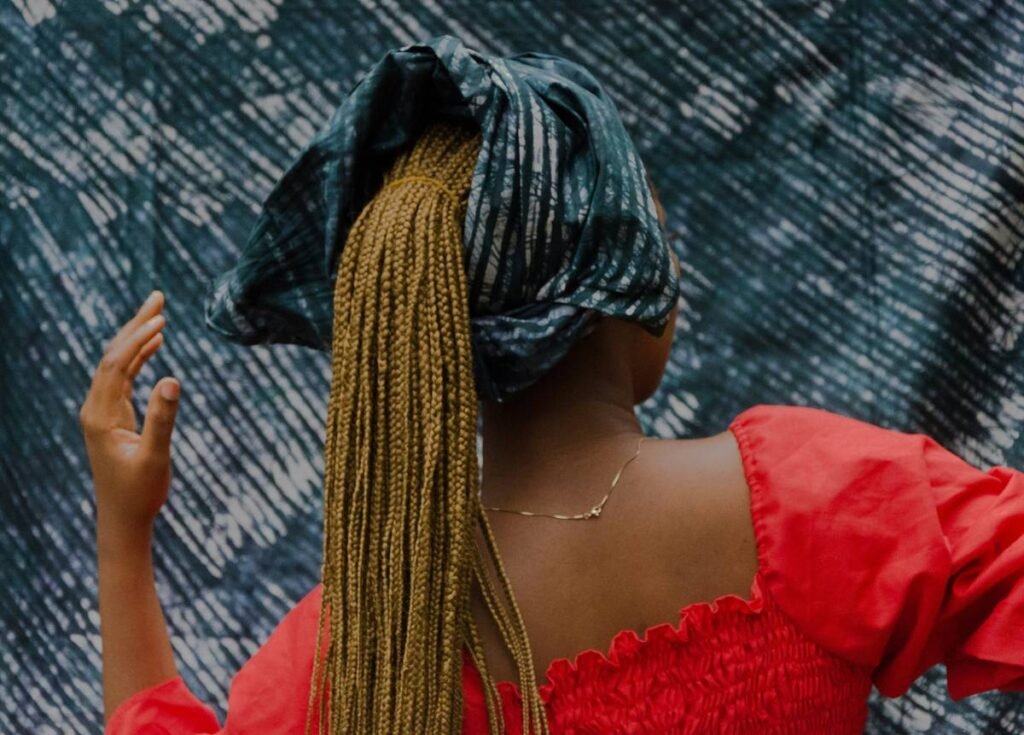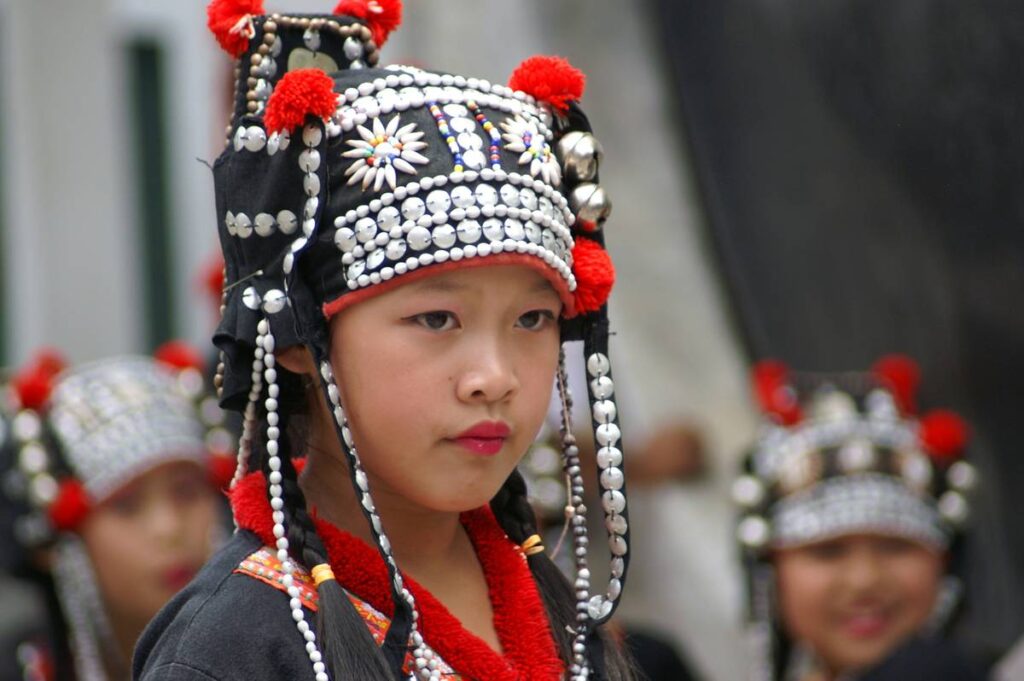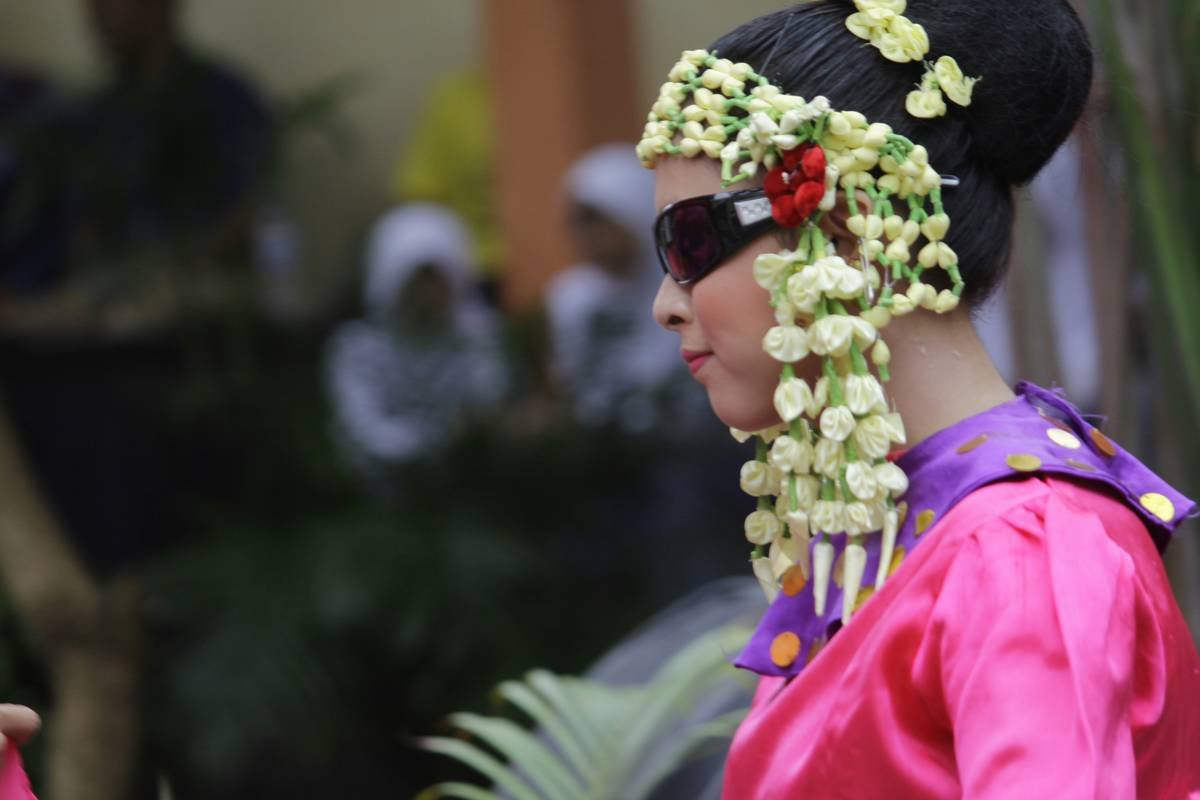
Ever walked into a room wearing a silk hair turban and felt like royalty—only to be asked, “Wait, is that just for showering?” Yeah. Us too.
Here’s the truth: cultural hair adornments like hair turbans aren’t just functional—they’re layered with history, identity, and artistry. Yet in Western beauty spaces, they’re often reduced to post-wash accessories or “vintage vibes.” That erasure? It stings.
In this post, we’ll unpack the deep roots of hair turbans across cultures—from West African gele to South Asian pagri—not as costume, but as living heritage. You’ll learn how to wear them respectfully today, avoid cultural appropriation pitfalls, care for your hair while styling, and even where to source ethical pieces. No fluff. Just reverence, real talk, and radical self-expression.
Table of Contents
- Why Cultural Hair Adornments Matter (Beyond Instagram Aesthetics)
- How to Wear Hair Turbans Respectfully: A Step-by-Step Guide
- Best Practices for Styling & Hair Health
- Real-World Examples: From Runways to Rituals
- FAQs About Cultural Hair Adornments
Key Takeaways
- Hair turbans are sacred symbols in many cultures—not fashion trends to “borrow.”
- You can honor their origins through intentional sourcing, education, and context-aware styling.
- Silk and satin turbans reduce breakage and retain moisture—science backs it (Journal of Cosmetic Dermatology, 2017).
- Avoid “festival-wear” commodification—it flattens centuries of meaning.
Why Cultural Hair Adornments Matter (Beyond Instagram Aesthetics)?
Let’s get raw for a sec: I once wore a hand-tied Nigerian gele to a Brooklyn wedding—without knowing its significance among Yoruba women during rites of passage. A guest gently pulled me aside: “It’s beautiful… but do you know what it says when you wear it like this?” Cue internal screaming.
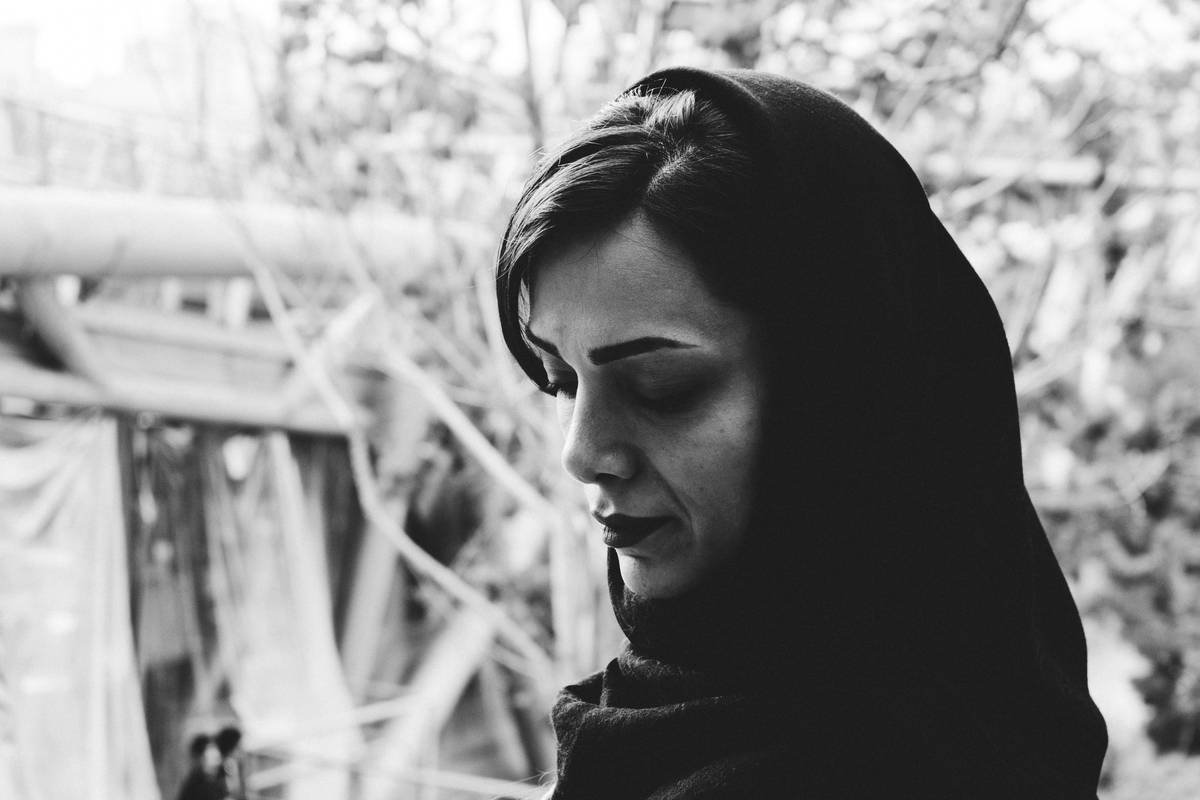
That moment reshaped my entire approach to cultural hair adornments. These pieces aren’t décor—they’re dialects. In Ghana, the duku signifies marital status. Among Sikh communities, the turban (dastar) embodies sovereignty and faith—so much so that removing it in public is akin to spiritual exposure (SikhiWiki). And let’s not forget the hijab, often worn as a headscarf but deeply tied to modesty and Qur’anic guidance.
When we strip these symbols of context, we don’t just misrepresent—we erase. According to UNESCO, over 60% of traditional textile practices in Africa face endangerment due to fast-fashion dilution and cultural disconnection (UNESCO Intangible Heritage Report, 2022).
Optimist You: “So we can still enjoy these styles, right?”
Grumpy You: “Only if you’re willing to do the homework. And maybe skip the ‘boho-chic’ label.”
How to Wear Hair Turbans Respectfully: A Step-by-Step Guide
Step 1: Ask “Who Originated This Style—and Why?”
Before tying anything, research. Is this style tied to worship? Resistance? Lineage? Example: The Palestinian keffiyeh isn’t just patterned fabric—it’s a national symbol worn during protests since the 1930s (Britannica). Wearing it as a beach wrap? Nope.
Step 2: Source Ethically—or Don’t Source At All
Buy from BIPOC-owned brands like TurbanDi (South Asian-inspired) or Gele by Titi (Nigerian). Avoid Amazon knockoffs labeled “ethnic print”—they rarely credit or compensate origin communities.
Step 3: Context Is King
Wearing a silk sleep turban at home? Great. Wearing a replica Sikh dastar to Coachella? Terrible. Full stop.
Step 4: Tie It Right (Without Damage)
Use stretch-free fabrics like mulberry silk or high-grade satin. Wrap loosely—tight tension causes traction alopecia (American Academy of Dermatology). Pro tip: Fold edges inward to prevent snags on curly or coily hair.
Best Practices for Styling & Hair Health
Look, I love a dramatic turban moment—but not at the cost of split ends. Here’s how to merge aesthetics with trichology:
- Prioritize fabric:** 22-momme mulberry silk > polyester satin. Silk’s smooth surface reduces friction by 43% vs. cotton (JCD, 2017).
- Prep hair first:** Apply leave-in conditioner or oil to damp (not wet) hair. Traps moisture without encouraging mildew.
- Night vs. Day:** Sleep turbans should be seamless; daytime styles can have structure—but never wire inserts near the scalp.
- Clean weekly:** Hand-wash with pH-neutral detergent. Fabric buildup = scalp irritation.
Terrible Tip Disclaimer: “Just use an old T-shirt!” Nah. Cotton absorbs moisture *from* your hair and has rough fibers that cause frizz. Your curls deserve better.
Real-World Examples: From Runways to Rituals
In 2023, Nigerian designer Lisa Folawiyo sent models down Paris Fashion Week in hand-beaded gele—each piece crafted by Lagos artisans paid living wages. Result? Global press, zero cultural backlash, and a 200% sales bump for her workshop (Vogue).
Contrast that with a certain fast-fashion brand that sold “tribal headwraps” in 2021—later pulled after West African scholars called out the stereotyping. Lesson? When profit drives cultural borrowing, everyone loses except shareholders.
On a personal note: After my gele faux pas, I apprenticed with a Yoruba stylist in Atlanta. Learned folding techniques passed down through generations. Now, when I wear one? It’s with permission, purpose, and pride—in *her* legacy, not mine.
FAQs About Cultural Hair Adornments
Are hair turbans only for certain hair types?
No—but technique varies. Coily hair benefits from satin-lined turbans to preserve definition; straight hair may need grip tape to stay secure. Always prioritize low-manipulation wrapping.
Is it okay to wear a turban if I’m not from that culture?
Sometimes—but tread carefully. If it’s a *religious* symbol (e.g., Sikh dastar), refrain unless invited. For *cultural* styles (e.g., West African gele), engage via workshops, cite sources, and amplify originators—not influencers.
Where can I learn authentic tying methods?
Seek master artisans: YouTube channels like The Gele Queen or NYC’s Sikh Coalition offer free tutorials rooted in respect.
Do turbans help hair growth?
Indirectly—yes. By reducing breakage and retaining moisture, they create optimal conditions for length retention. But they won’t magically sprout new follicles.
Conclusion
Cultural hair adornments like turbans are more than pretty wraps—they’re threads connecting us to ancestors, resistance, and identity. Wearing them demands more than aesthetic appreciation; it requires humility, education, and ethical action.
So next time you reach for that silk turban, ask: Am I honoring—or hollowing? Because beauty without integrity is just noise. And your hair? It deserves symphonies.
Like a Tamagotchi, your cultural awareness needs daily care.