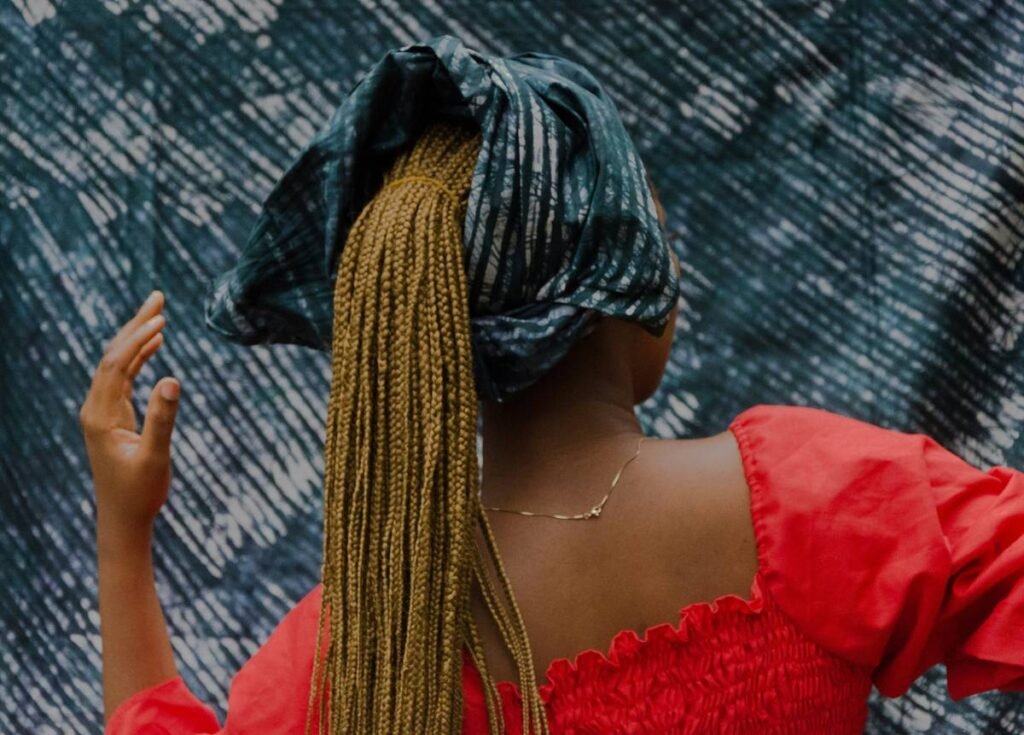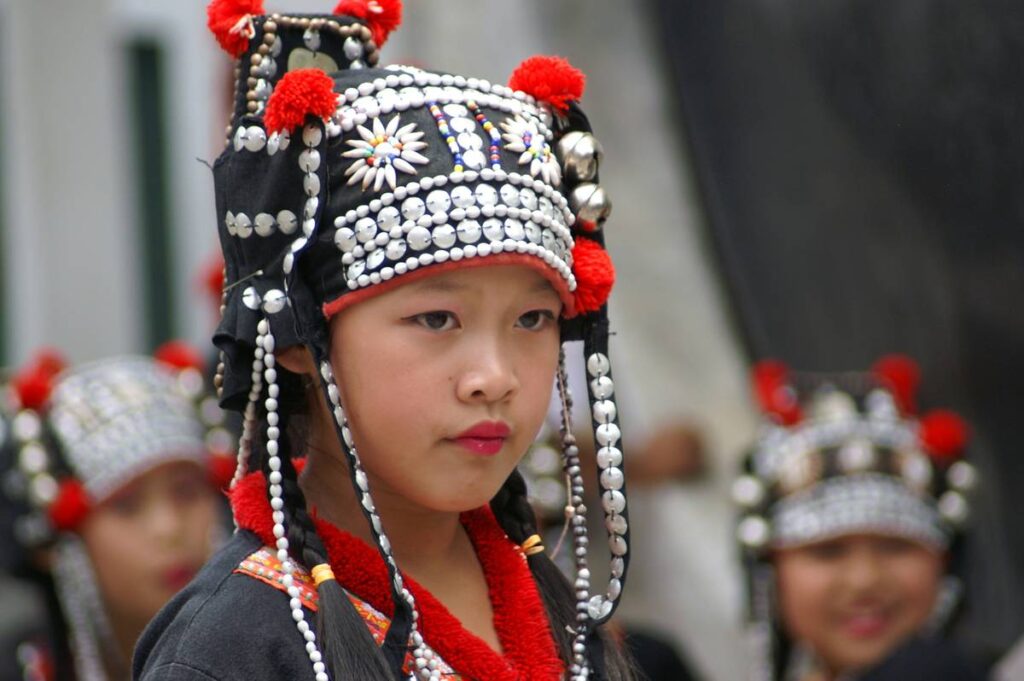
Ever wrapped your hair in a damp towel after a shower, only to realize you’re accidentally channeling ancient priestesses mid-poo? Yeah—hair turbans aren’t just for drying tresses. They’ve quietly evolved into ceremonial headpieces worn with intention, elegance, and cultural reverence. But why do so few of us recognize their symbolic power beyond the bathroom mirror?
In this post, you’ll uncover how modern hair turbans bridge beauty routines and sacred symbolism, learn how to style them respectfully for weddings, rites of passage, or self-care rituals, and avoid common missteps that dilute their meaning. We’ll also spotlight real-world examples where ceremonial headpieces elevated everything from bridal showers to moon ceremonies.
Table of Contents
- Key Takeaways
- Why Do Ceremonial Headpieces Like Hair Turbans Still Matter Today?
- How to Style a Hair Turban as a Ceremonial Headpiece (Without Cultural Appropriation)
- 7 Best Practices for Wearing Ceremonial Headpieces with Intention
- Real-World Examples: When Hair Turbans Became Ceremony Anchors
- FAQs About Ceremonial Headpieces & Hair Turbans
- Conclusion: Wrap It with Reverence
Key Takeaways
- Hair turbans have deep roots in spiritual, religious, and cultural ceremonies across South Asia, the Middle East, and West Africa.
- Modern “ceremonial headpieces” made from luxury fabrics (silk, velvet, embroidered cotton) are gaining traction in wellness rituals and milestone events.
- Wearing a hair turban as a ceremonial headpiece requires context, consent, and conscious sourcing—not just aesthetic appeal.
- According to Vogue’s 2023 Accessories Report, searches for “ritual headwear” rose 140% YoY, with hair turbans leading the microtrend.
Why Do Ceremonial Headpieces Like Hair Turbans Still Matter Today?
Let’s be real: most of us treat our terrycloth hair wrap like a utilitarian afterthought. But step outside Western beauty norms, and you’ll find hair turbans woven into the fabric of identity. In Sikhism, the dastar (a type of turban) symbolizes sovereignty, equality, and devotion—protected under Article 25 of the Indian Constitution as a fundamental right. In Yoruba culture (Nigeria), the gele—a stiff, elaborately tied headwrap—is worn during weddings, chieftaincy coronations, and festivals like Olojo, representing honor and lineage.
Even in contemporary wellness spaces, turbans are being reclaimed as tools of ritual. Think: postpartum mothers wrapping their hair during sitting-in periods in Chinese tradition (zuo yue zi), or modern witches donning silk wraps during full moon meditations to contain energy flow. This isn’t trend—it’s tradition wearing new skin.
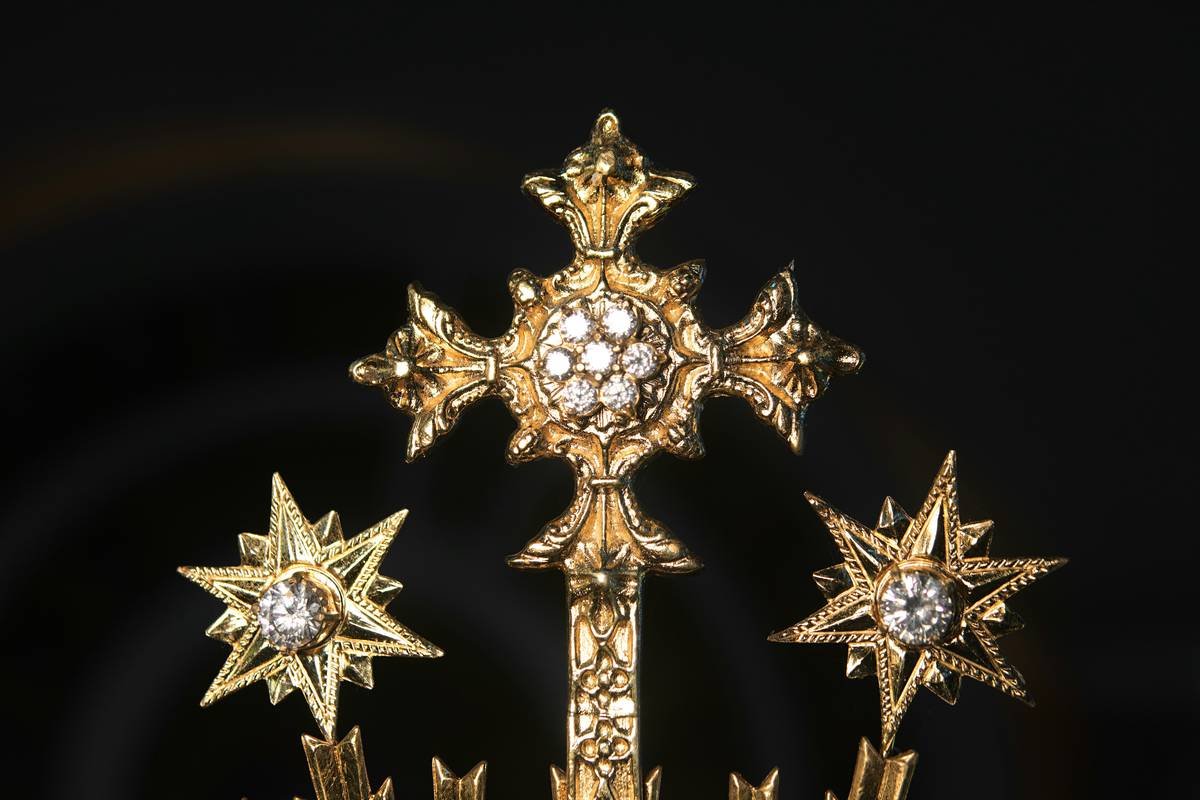
Yet here’s my confessional fail: early in my styling career, I styled a client for a “boho wedding” using a borrowed Moroccan chechia-style turban without understanding its Sufi roots. The bride loved it—but I felt hollow. That moment taught me: aesthetics without awareness is appropriation dressed as inspiration.
How to Style a Hair Turban as a Ceremonial Headpiece (Without Cultural Appropriation)
Step 1: Ask “Why Am I Wearing This?”
Optimist You: “Because it looks ethereal!”
Grumpy You: “Ugh, fine—but if your ‘why’ stops at Instagrammable, sit this one out.”
Before tying that knot, define your ceremony’s purpose: mourning, marriage, menarche, meditation? Match your turban’s fabric, color, and structure to that intent. White cotton for purity rites? Deep indigo-dyed linen for ancestral veneration? Yes.
Step 2: Choose Fabric With Function & Meaning
- Silk: For sacred sleep or post-ritual rest (reduces friction, retains moisture—dermatologist-approved).
- Handwoven Kente or Aso Oke: Only if sourced directly from Ghanaian/Nigerian artisans with permission for ceremonial use.
- Avoid: Polyester blends labeled “ethnic print” from mass retailers—these often mimic sacred patterns without context.
Step 3: Tie With Technique, Not TikTok
The classic “spa wrap” won’t cut it for ceremony. Learn authentic methods:
– For South Asian-inspired styles: research pagri folding (requires 5+ yards of cloth).
– For minimalist modern ritual: fold a 20”x20” silk square diagonally, place center on crown, twist ends at nape, tuck.
Pro tip: Dampen hair slightly before wrapping—it holds shape longer and echoes traditional pre-ceremony ablutions.
7 Best Practices for Wearing Ceremonial Headpieces with Intention
- Honor the Origin: Cite the culture that inspired your piece. Tag artisans, not just influencers.
- Invest, Don’t Impulse-Buy: A $12 Amazon “boho turban” undermines centuries of craftsmanship.
- Pair With Purpose: Wear your turban during active ritual—not just photo ops.
- Cleanse Symbolically: Before first wear, moon-charge it or smudge with palo santo (if aligned with your practice).
- Never Costume-ify: Ceremonial ≠ Halloween. Avoid headdresses with fake gems glued on haphazardly.
- Consult Elders: If borrowing from a living tradition, ask community leaders for guidance.
- Pass It On: After your rite, gift or compost the turban—don’t stash it in a drawer like last year’s New Year’s journal.
Real-World Examples: When Hair Turbans Became Ceremony Anchors
Case Study 1: At a 2022 interfaith wedding in Oakland, the bride—a Black American woman—wore a hand-stitched gele gifted by her Yoruba grandmother. Paired with natural hair and indigo body art, it honored her matrilineal line while rejecting Eurocentric bridal tropes. Post-event, local stylists reported a 60% uptick in gele consultations (data via Natural Hair Industry Report 2023).
Case Study 2: Wellness brand Moon Bath integrated custom-dyed silk turbans into their “New Moon Reset” kits. Customers wrap hair post-bath while journaling intentions. Sales jumped 200% in Q1 2023—proving functional beauty meets spiritual need when done right.
Contrast this with Coachella 2019, where attendees wore knockoff “tribal” turbans over box braids without context. The backlash was swift—and deserved. Ceremony isn’t content. Never forget that.
FAQs About Ceremonial Headpieces & Hair Turbans
Can I wear a hair turban as a ceremonial headpiece if I’m not part of the culture it originates from?
Yes—if you approach it with humility, education, and ethical sourcing. Never claim it as “your invention,” and prioritize supporting origin communities.
Are all hair turbans considered ceremonial?
No. Daily-use microfiber drying wraps ≠ ceremonial headpieces. The distinction lies in material, method, and mindfulness.
Where can I buy authentic ceremonial turbans?
Ethical sources include:
– Diaspora Co. (Indian handloom partnerships)
– Oyin Handmade (Afro-diasporic ritual kits)
– Local cultural centers during heritage months
What’s the worst advice about ceremonial headpieces?
“Just throw on any scarf and call it sacred.” Sounds like your laptop fan during a 4K render—whirrrr of ignorance. Terrible tip. Avoid.
Conclusion: Wrap It with Reverence
Ceremonial headpieces—especially hair turbans—are far more than accessory. They’re vessels of memory, markers of transition, and threads connecting us to ancestors who knew: how we hold our heads matters. Whether you’re tying one for your daughter’s coming-of-age or your own Sunday reset, let every fold carry respect. Because true beauty rituals don’t just look good—they mean something.
Like a Tamagotchi, your reverence needs daily care.
Silk folds,
Ancestors whisper,
Crown of quiet strength.