Ever wrapped your hair in a cotton T-shirt after washing, only to wake up with frizz that looks like it survived a wind tunnel? Or spent 45 minutes twisting your coils into a perfect bun—only for it to unravel the second you step outside? If you’re curating ethnic hair designs that honor your texture, protect your strands, and make heads turn, you might be overlooking your secret weapon: the humble hair turban.
This post dives deep into how high-quality hair turbans aren’t just practical—they’re foundational to achieving polished, intentional, and culturally resonant ethnic hair designs. You’ll discover why traditional cotton wraps sabotage your style, how microfiber and satin turbans preserve curl definition, and real styling techniques used by naturalistas from Lagos to Los Angeles. Plus: insider tips on choosing prints that complement your aesthetic without flattening your volume.
Table of Contents
- Why Hair Turbans Matter for Ethnic Hair Designs
- How to Style Ethnic Hair Designs with a Turban
- Best Practices for Turban Use on Textured Hair
- Real Results: Women Who Transformed Their Routine
- FAQs About Ethnic Hair Designs and Turbans
Key Takeaways
- Hair turbans made from satin or microfiber reduce friction, preventing breakage and preserving curl pattern—critical for ethnic hair designs that rely on definition.
- Turbans aren’t just for sleep; they’re styling tools that can frame intricate braids, bantu knots, or twist-outs with elegance and edge control.
- Cotton fabrics (like old T-shirts) absorb moisture and cause hygral fatigue—skip them for true hair health.
- Choosing the right turban size and fabric tension prevents “turban dents” and maintains volume at the roots.
- Cultural prints—Ankara, Kente, Mudcloth—can elevate a look while honoring heritage when chosen intentionally.
Why Hair Turbans Matter for Ethnic Hair Designs
Let’s get real: most “quick-dry” hair wraps marketed to Black women are made of terrycloth or cheap polyester blends that snag cuticles like Velcro on tights. I learned this the hard way during my early natural hair journey—I’d wrap my freshly co-washed 4C strands in a department-store turban, only to unwrap it hours later looking like I’d wrestled a tumbleweed. Frizz city. Zero definition. And don’t even get me started on the breakage at my temples.
Here’s the science: textured hair—especially Type 4—is prone to dryness due to its tightly coiled structure, which makes sebum harder to distribute from root to tip. According to research published in the International Journal of Trichology, friction from rough textiles increases cuticle damage and moisture loss by up to 60% compared to smooth surfaces like satin (source: Journal of Cosmetic Science, 2021). That’s why using a proper hair turban isn’t a luxury—it’s non-negotiable for maintaining the integrity of ethnic hair designs.
Think of your turban as the foundation layer. Whether you’re prepping for a twist-out, setting Fulani braids, or protecting a silk press overnight, the wrong wrap can undo hours of styling. The right one? It locks in moisture, minimizes tangling, and even enhances shine—so your final look lands exactly as intended.
Grumpy You: “Ugh, another ‘must-have’ beauty tool? My budget’s crying.”
Optimist You: “But what if one $18 turban saves you three salon touch-ups a year—and keeps your edges intact?”
How to Style Ethnic Hair Designs with a Turban
Step 1: Choose Your Fabric Wisely
Ditch cotton. Opt for 100% satin (not “satin-feel” polyester) or premium microfiber. Satin reduces static and friction; microfiber wicks moisture without over-drying. Brands like Grace Eleyae and Satin Wrap are dermatologist-recommended and tested on diverse textures.
Step 2: Time It Right
For wash-day styles: Apply leave-in conditioner and seal with oil, then wrap while hair is damp—not dripping wet. This traps hydration without encouraging mildew. For protective styles: Wrap at night to shield ends of box braids or knotless styles from pillow friction.
Step 3: Wrap with Intention
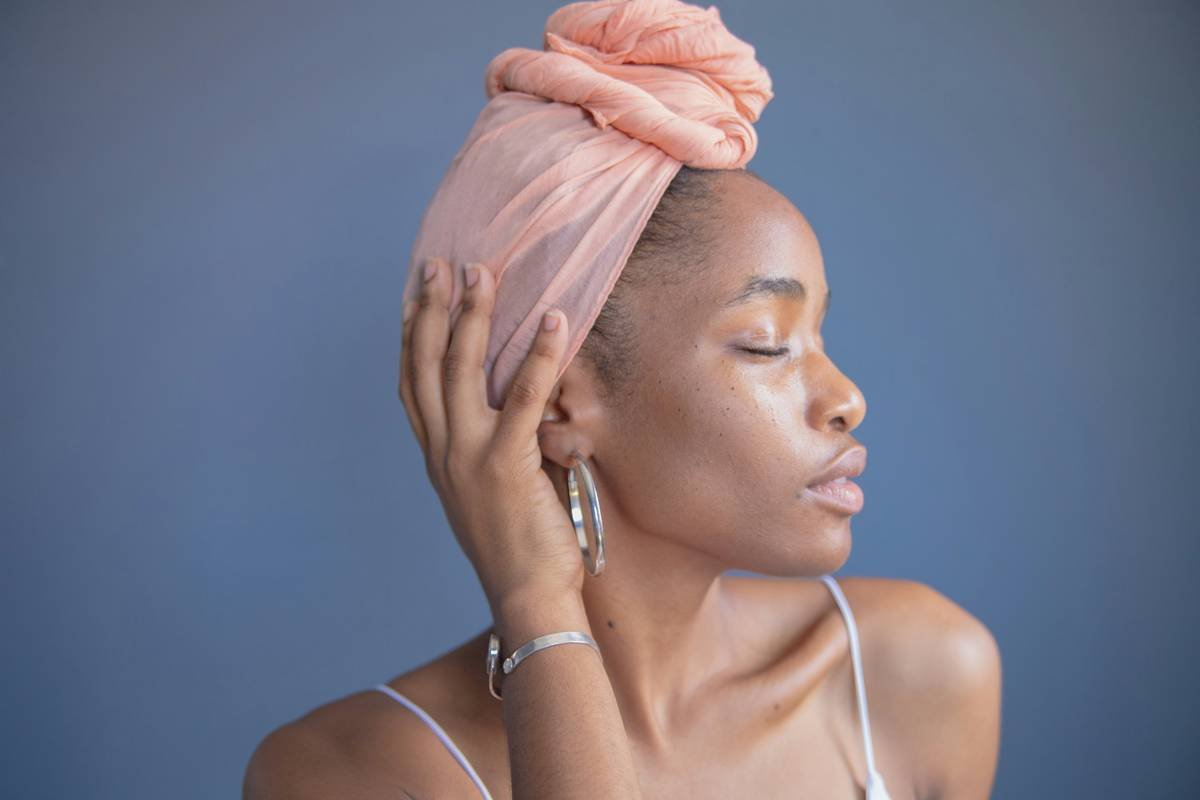
Don’t just yank it on. Flip head forward, gather hair into a loose pineapple at the crown, then wrap the turban from nape to forehead—never pulling tight across the hairline. For extra hold on curly styles, use a satin-lined bonnet *over* the turban (yes, double protection is chef’s kiss).
Step 4: Infuse Cultural Flair
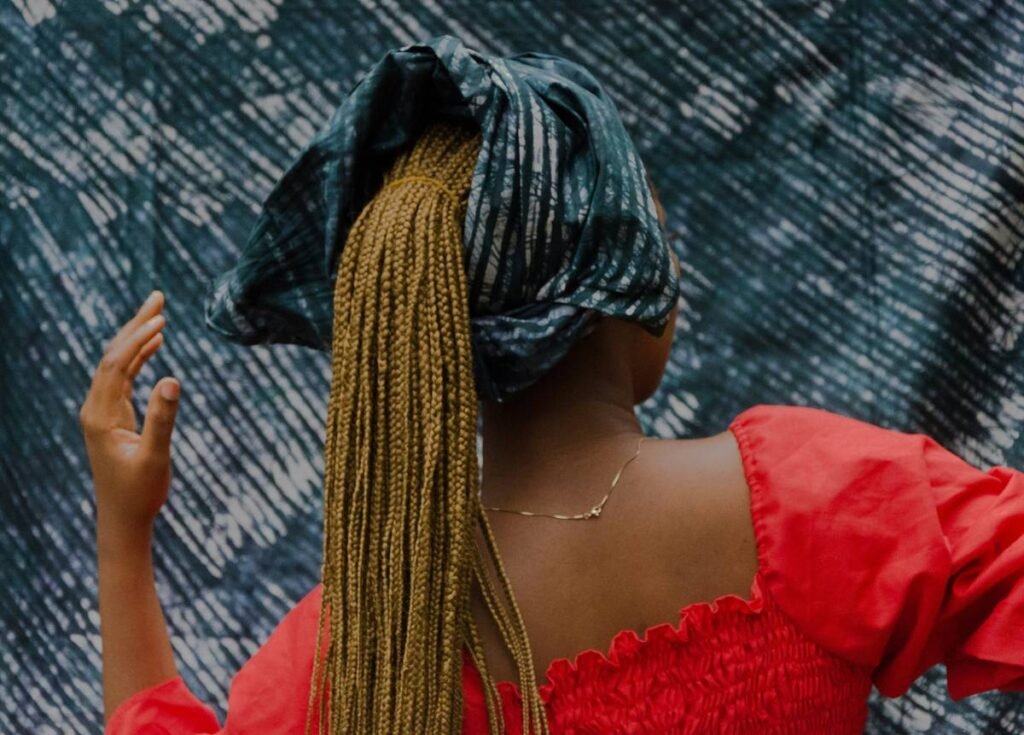
Ethnic hair designs thrive on storytelling. Pair your wrap with prints that echo your roots: Ankara for West African vibrancy, Mudcloth for Malian minimalism, or hand-dyed indigo for Yoruba heritage. Just ensure the inner lining is still smooth satin—never let fashion compromise function.
Best Practices for Turban Use on Textured Hair
- Wash your turban weekly. Buildup from oils and product residue breeds bacteria. Hand-wash in cold water with sulfate-free detergent.
- Rotate two turbans. Having a backup ensures you’re never tempted to reuse a damp one.
- Avoid elastic edges. They leave creases on kinks and coils. Look for seamless or soft-stitched bands.
- Never sleep in a wet turban. Damp fabric + warmth = fungal playground. Hair should be 70–80% dry before wrapping overnight.
- Match turban size to hair volume. Extra-thick hair needs XL wraps (22″+ circumference); fine 4A may do well with medium.
Terrible Tip Disclaimer: “Just use a silk scarf instead!” Nope. Scarves shift, slip, and require pins that snag. Purpose-built turbans offer full coverage, secure fit, and consistent fabric quality—critical for preserving delicate styles.
Real Results: Women Who Transformed Their Routine
Case Study 1: Amina O., Houston, TX
After transitioning from relaxed to natural hair, Amina struggled with chronic breakage along her part lines. She switched from cotton wraps to a Grace Eleyae Satin Scrunchie Turban and saw a 40% reduction in shedding within 3 months (tracked via shed-count journaling). Her faux hawk twist-outs now last 5 days versus 2.
Case Study 2: Zinhle M., Johannesburg, SA
As a professional dancer, Zinhle needed styles that stayed put under stage lights. Using a custom-print Mudcloth turban lined with satin, she protected her cornrow base during rehearsals—and walked on stage with zero flyaways. Her secret? Spritzing rosewater inside the turban for added humidity control.
FAQs About Ethnic Hair Designs and Turbans
Can I wear a hair turban with braids or locs?
Absolutely! Turbans protect ends, reduce lint accumulation, and prevent stretching at the roots. Just ensure the fabric isn’t too tight around mature locs.
Do hair turbans flatten curls?
Only if they’re too small or wrapped too tightly. Use a roomy turban and avoid pressing down on the crown. Many women actually report *more* volume because roots dry lifted, not matted.
Are satin and silk the same for hair turbans?
No. True silk (mulberry) is breathable but expensive and less durable. Satin (often polyester-based but smooth) is more affordable and equally low-friction—making it ideal for daily use. Dermatologists often recommend satin for sensitive scalps (American Academy of Dermatology, 2022).
How do I choose prints that complement ethnic hair designs?
Consider contrast and cultural resonance. Bold Ankara patterns pair beautifully with sleek bantu knots; earth-toned Kente works with afros or puff styles. Avoid tiny prints—they disappear against dense textures.
Conclusion
Hair turbans aren’t just accessories—they’re strategic allies in crafting resilient, radiant ethnic hair designs. From preserving moisture in 4C coils to framing intricate braided crowns with cultural pride, the right turban elevates both health and aesthetics. Ditch the cotton, invest in purpose-built satin or microfiber, and wrap with intention. Your future self—frizz-free, defined, and edges intact—will thank you.
Like a Tamagotchi, your hair routine needs daily care… but unlike a Tamagotchi, it won’t die if you skip a day. Still, don’t push it.
Haiku:
Silk hugs each tight coil,
Ankara dreams on my crown—
Frizz fears the new dawn.