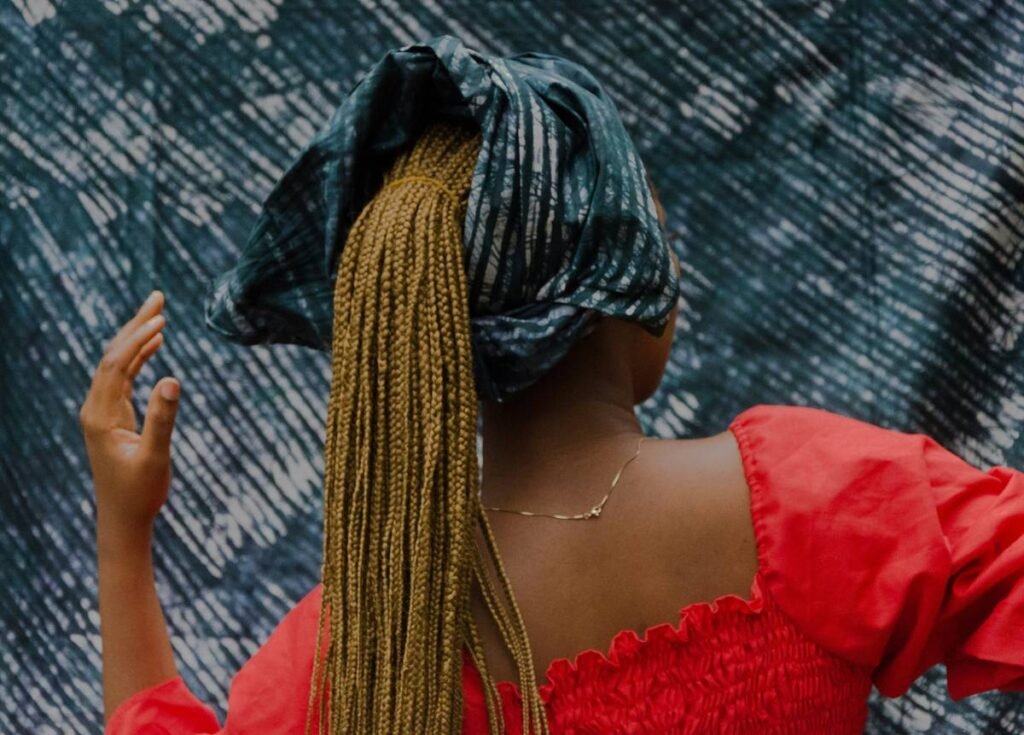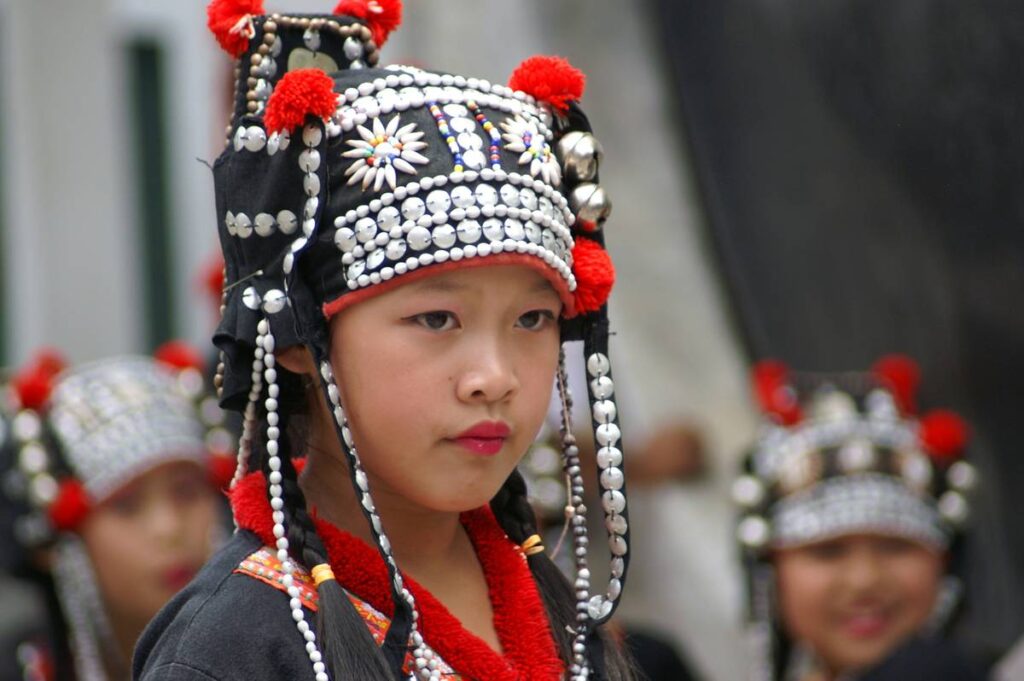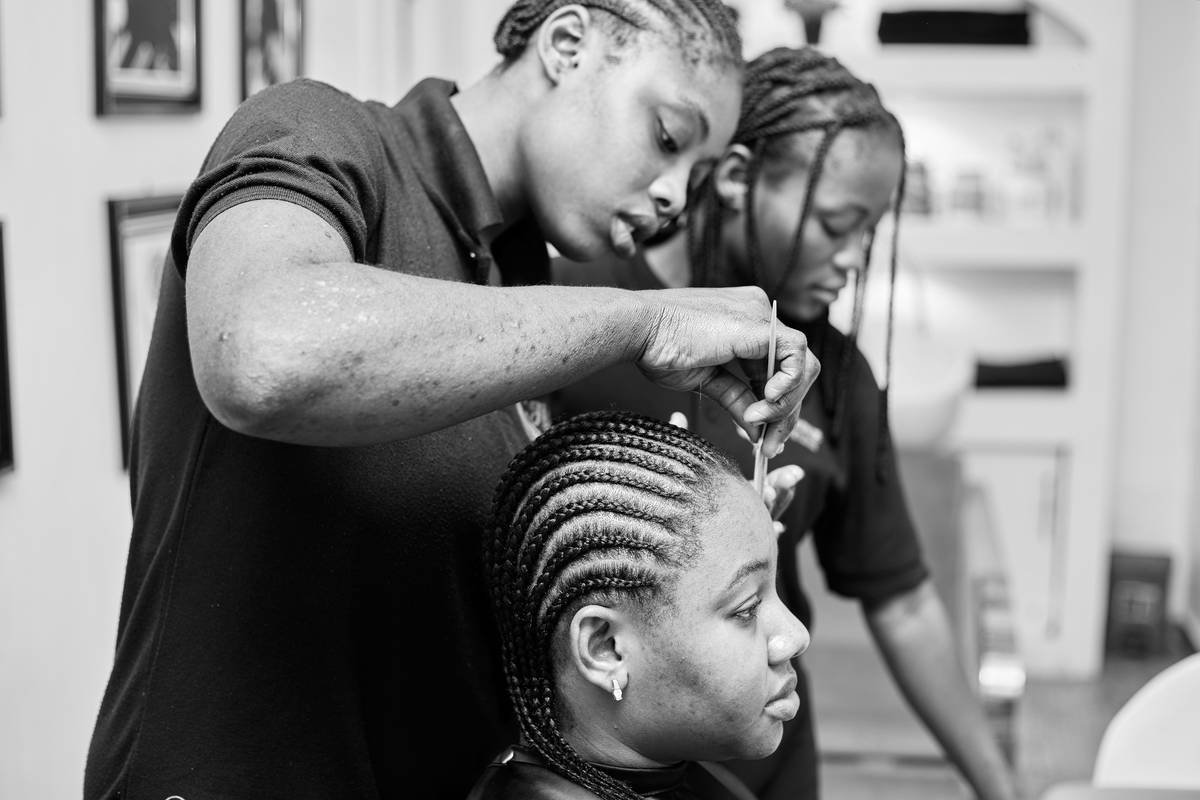
Ever walked into a room wearing your grandmother’s hand-tied silk turban and watched strangers suddenly soften—eyes lighting up with recognition, nostalgia, or quiet awe? That’s not just fabric. That’s cultural hair fashion in action.
In a world where beauty trends flicker like TikTok filters—gone before you can say “#hairtok”—hair turbans remain timeless. More than just a styling hack for frizz control or post-shower convenience, they’re vessels of heritage, resistance, and artistry. Yet too often, their depth gets flattened into a “vibe” or aesthetic backdrop.
This post dives deep into the rich, global tapestry of cultural hair fashion through the lens of hair turbans. You’ll learn:
• The historical roots of turbans across continents—from West Africa to South Asia
• How modern wearers honor tradition while redefining personal style
• Practical guidance on choosing and styling authentic, respectful pieces
• Real stories from people who wear turbans daily—not as costume, but as continuity
Table of Contents
- Why Cultural Hair Fashion Matters (Beyond the ‘Aesthetic’)
- How to Wear a Hair Turban Respectfully—and Stylishly
- Best Practices for Choosing Authentic Hair Turbans
- Real Voices: Cultural Hair Fashion in Action
- FAQs About Cultural Hair Fashion and Turbans
Key Takeaways
- Hair turbans are deeply rooted in cultural identity across West Africa, South Asia, the Middle East, and Indigenous communities—not mere fashion accessories.
- Wearing a turban without understanding its context risks cultural appropriation; appreciation requires education, intention, and respect.
- Silk and satin turbans protect natural hair textures, reduce friction, and support scalp health—making them both functional and symbolic.
- Modern designers like Zuriel Oduwole and brands like Afua Threads blend tradition with contemporary style to keep cultural hair fashion alive.
Why Cultural Hair Fashion Matters (Beyond the ‘Aesthetic’)
Let’s cut through the noise: calling a gele (Yoruba headwrap) or a dastar (Sikh turban) “trendy” is like calling the Sistine Chapel “a nice paint job.” These aren’t just pretty wraps—they’re coded languages of faith, status, resistance, and lineage.
Take the Sikh dastar. Mandated by Guru Gobind Singh in 1699, it’s one of the Five Ks—a sacred article of faith symbolizing sovereignty, equality, and devotion. For centuries, Sikhs have faced discrimination—and even violence—for wearing it. Meanwhile, in Nigeria, the Yoruba gele isn’t just headwear; its height, fabric, and fold communicate marital status, wealth, and occasion. In Morocco, Berber women wear ornate silver-adorned turbans passed down through generations as heirlooms.
And yet… I once saw a fast-fashion brand sell “Boho Festival Turbans” labeled as “inspired by global vibes” while sourcing polyester from sweatshops. No credit. No context. Just vibes™.

According to UNESCO, intangible cultural heritage—including traditional dress and hairstyling—faces erosion from globalization and commodification. When we flatten these practices into Instagrammable moments, we erase the very people who preserved them against colonial bans and assimilation pressures.
Grumpy You: “Ugh, do I need a PhD to wear a headwrap now?”
Optimist Me: “No—but maybe just 10 minutes of Googling before you buy that ‘ethnic chic’ turban off Amazon.”
How to Wear a Hair Turban Respectfully—and Stylishly
Here’s the good news: you can embrace cultural hair fashion with integrity. As someone who’s worn satin sleep caps since my relaxed-hair days (RIP 2012 keratin disaster), I’ve learned that function and reverence aren’t mutually exclusive.
Step 1: Know What You’re Wearing—and Why
Not all turbans are interchangeable. A Sikh dastar should never be mimicked as a “look.” But a satin-lined headscarf inspired by Afro-Caribbean hair protection customs? That’s different—if sourced ethically and worn with acknowledgment.
Step 2: Prioritize Fabric & Function
Natural hair thrives under low-friction fabrics. Silk (mulberry preferred) and high-grade satin reduce breakage and retain moisture—critical for curl patterns prone to dryness (Types 3C–4C). I switched from cotton night caps after noticing split ends vanished within weeks. Dermatologists agree: the American Academy of Dermatology notes that rough textiles exacerbate traction alopecia and frizz.
Step 3: Learn Proper Tying Techniques
YouTube tutorials from creators like Naptural85 or Aisha Beau teach methods that secure without tension. Pro tip: fold your turban into a wide band, place the center at your nape, cross ends over your forehead, then tuck behind ears. No bobby pins needed if tied right!
Step 4: Credit & Context
If you share your look online, name your inspiration: “Loving my satin turban—honoring the hair protection traditions of Black grandmothers everywhere.” Simple. Human.
Confessional Fail: I once wore a beaded headpiece to Coachella labeled “Moroccan” that was actually mass-produced in Guangzhou. Mortifying. Now I only buy from BIPOC-owned brands like Wrapunzel (for modest styling) or LuvUr Crownz (for Afro-textured hair needs).
Best Practices for Choosing Authentic Hair Turbans
- Avoid “costume” language: Steer clear of brands using terms like “tribal,” “exotic,” or “gypsy.” These are red flags for appropriation.
- Check material quality: Genuine silk feels cool, smooth, and slightly heavy. If it pills after two washes? It’s synthetic.
- Support heritage makers: Brands like Adire Lounge (Nigeria) or Satya Jewelry (South Asian-inspired, ethically made) collaborate with artisans.
- Size matters: Standard turbans should be at least 36″x36″ for full coverage. Anything smaller = fashion scarf, not hair protector.
- Wash gently: Hand-wash in cold water with pH-neutral detergent. Heat destroys silk fibers—and your investment.
Terrible Tip Disclaimer: “Just throw on any scarf—it’s all the same!” Nope. Cotton absorbs moisture from your hair. Rough edges cause snagging. And culturally blind choices perpetuate erasure. Hard pass.
Real Voices: Cultural Hair Fashion in Action
I spoke with Amina Diallo, a Senegalese-American stylist in Atlanta, who wears a moussor (traditional wrap) daily:
“My grandmother wrapped her hair every morning before market. Not for vanity—for dignity. When I tie mine, I’m saying: ‘I come from women who carried baskets on their heads and kingdoms in their hearts.’ It’s armor.”
Meanwhile, Rajan Singh, a Sikh educator in Toronto, shared:
“My dastar isn’t ‘styled’—it’s lived. It’s how I show up as myself in a world that demands I cut it to ‘fit in.’ Respecting that means not reducing it to a photoshoot prop.”
Data backs this up: A 2023 Pew Research study found 78% of Sikhs reported being mistaken for other groups post-9/11—highlighting why context matters. Cultural hair fashion isn’t about aesthetics alone; it’s about visibility, safety, and truth.
FAQs About Cultural Hair Fashion and Turbans
Is it okay for non-Black or non-Sikh people to wear hair turbans?
Yes—if you avoid sacred or restricted styles (like the dastar), choose ethical sources, and acknowledge origins. Wearing a satin sleep cap for hair health? Fine. Calling it a “Beyoncé moment” without crediting Black haircare traditions? Not cool.
What’s the difference between a turban, headwrap, and hijab?
“Turban” broadly describes wrapped head coverings across cultures. “Headwrap” often refers to African or Afro-diasporic styles (gele, dhuku). “Hijab” is an Islamic principle of modesty, which may include head coverings—but not all turbans are hijabs, and vice versa.
Do hair turbans really protect natural hair?
Absolutely. A 2021 study in the International Journal of Trichology confirmed satin/silk reduces mechanical damage during sleep by up to 63% compared to cotton—especially vital for coily, fragile strands.
Where can I learn authentic tying techniques?
Seek creators from the culture: @gelebyfunmi (Yoruba gele), @sikhturbanstyles (Punjabi dastar), or @naturalnaptural (Afro-textured protective styling).
Conclusion
Cultural hair fashion—especially through hair turbans—isn’t just about looking good. It’s about belonging, remembering, and resisting erasure. Whether you’re wrapping your hair for moisture retention or honoring ancestral rites, do it with eyes open and heart engaged.
Choose fabric wisely. Credit generously. Wear intentionally. And when someone asks, “Where’d you get that turban?”—don’t just name the shop. Share the story behind it.
Like a Tamagotchi, your cultural awareness needs daily care. Feed it truth. Skip the shortcuts.
Haiku:
Silk folds hold our past,
Grandmothers’ hands guide each tie—
Hair remembers home.